
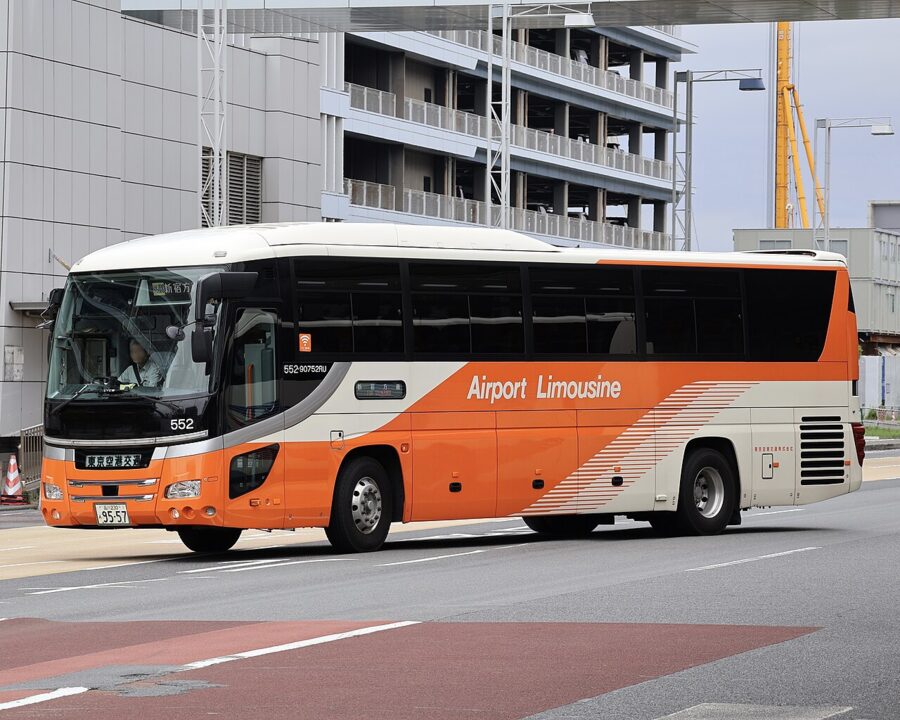
The Airport Limousine Bus stops at the door of more than 60 hotels between Shinjuku, Tokyo Bay and Yokohama, which is the whole case for it. You hand two suitcases to the crew at Narita or Haneda, sit down, and step off at your hotel’s entrance without dragging anything up a station staircase.
What you pay for that comfort is the road. The bus shares the Shuto Expressway with everyone else, so the Narita to Shinjuku run the operator plans at 120 minutes can take 70 on a clear road and longer than planned in the rush. The train never has that problem, and in a few cases it is simply the better answer.
Figures below are as of November 2026, at about ¥150 to the dollar. My short version: take the bus when your hotel is on the stop list and you are carrying more than a backpack. Take the train when you are heading for Ueno, Asakusa or Shinagawa, or when you land into a weekday rush hour.


On this page
Who runs it, and what you get on board
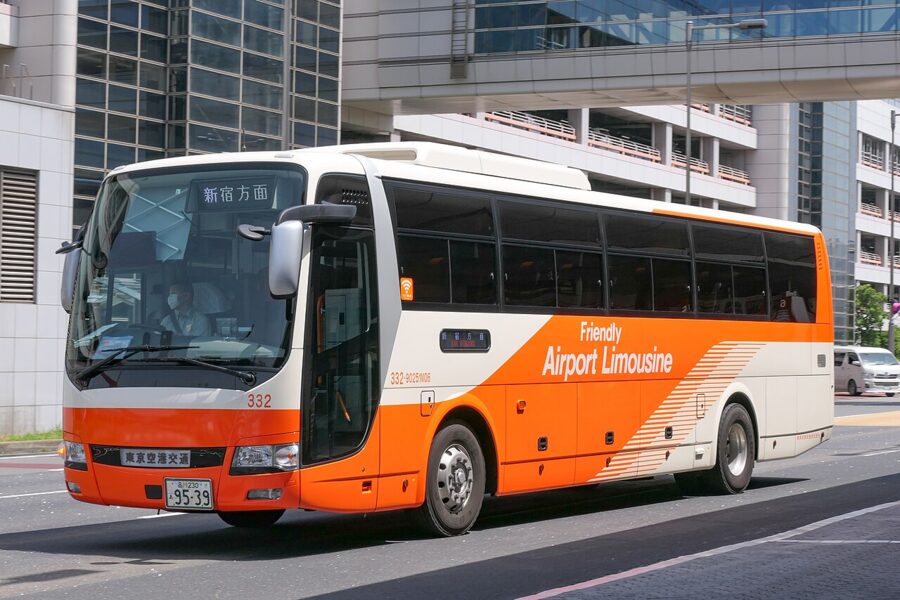
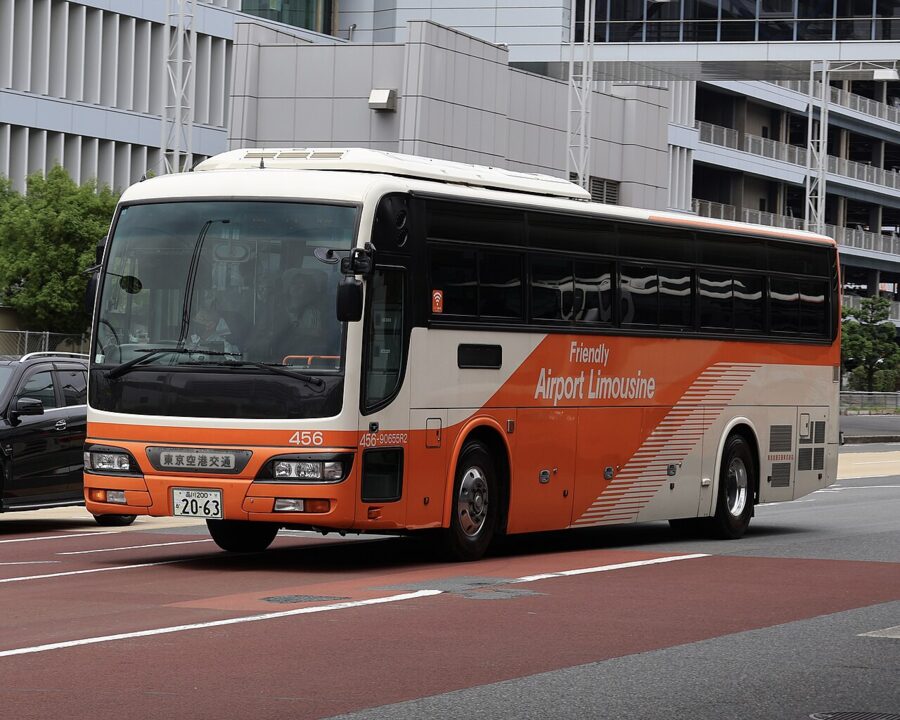
The Limousine Bus is run by Airport Transport Service Co., Ltd., known in Japanese as Tokyo Kuko Kotsu (東京空港交通). By its own count it makes about 1,200 runs a day between Narita, Haneda, the big terminal stations and hotels across greater Tokyo. The orange stripe that sweeps back along the body is meant to suggest an aircraft’s tail fin.
Some routes share one timetable with other companies: the Haneda to Makuhari service mixes Limousine, Keisei Bus and Keikyu Bus departures at one fare. The operator warns that rules on shared routes can differ, luggage included.
Almost every Limousine coach has a toilet, which matters after a long-haul flight and a 2-hour ride into Shinjuku. Smoking is banned throughout, and phone calls are frowned on. The newer SuperCabin coaches add wider seat spacing, seat-back tables and, in the latest batch, a power outlet at every seat, at no extra charge.
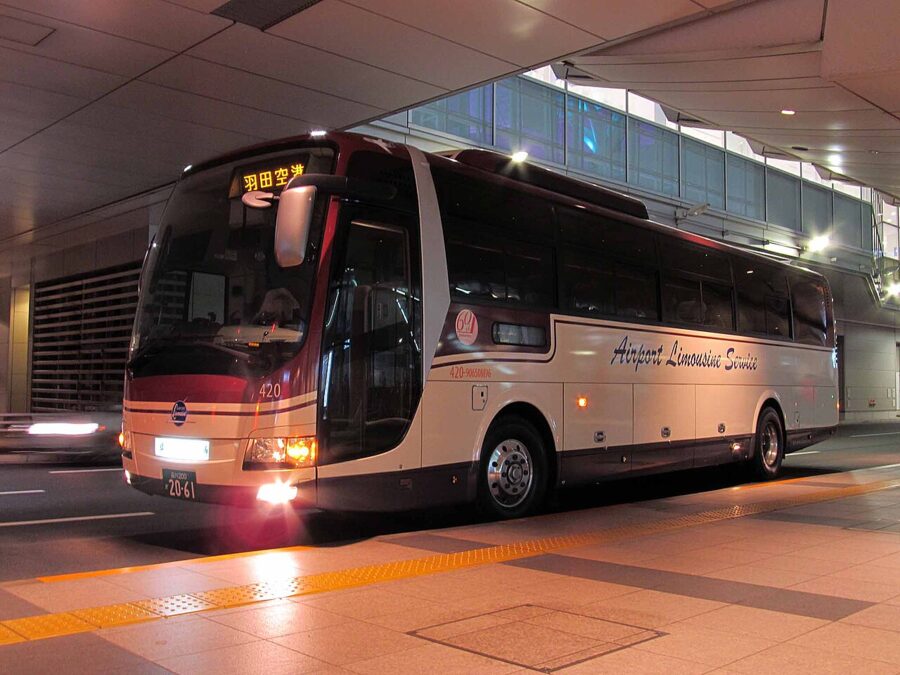

The same company also runs cheaper, station-only buses from Narita, listed as LCB: the Narita Shuttle to Ikebukuro Station West Exit for ¥2,300 (about $15) and a Shibuya Station run for ¥2,500 (about $17). Traveling light to either station, they beat the full fare.
Routes from Narita Airport
Every Narita departure picks up at Terminal 3 first, then Terminal 2, then Terminal 1. Buses run through a string of stops, and most charge one fare for the whole area. The table shows adult fares and the operator’s standard journey time from the airport, as of November 2026.
| Destination area | Main stops | Adult fare | Standard time |
|---|---|---|---|
| Tokyo City Air Terminal (T-CAT) and Tokyo Station | T-CAT (Nihonbashi Hakozaki), Tokyo Station Yaesu North Exit (Tekko Building) | ¥3,100 (about $21) | About 80 min to T-CAT |
| Shinjuku | Busta Shinjuku, Shinjuku Station West Exit, Keio Plaza, Hilton, Hyatt Regency, Park Hyatt | ¥3,600 (about $24) | About 120 min |
| Akasaka and Roppongi | The Okura, ANA InterContinental, Grand Hyatt, New Otani | ¥3,600 | Varies by hotel |
| Ginza, Hibiya and Shiodome | Palace Hotel, Imperial Hotel, Conrad, Andaz | ¥3,600 | Varies by hotel |
| Ebisu and Shinagawa | Westin, Sheraton Miyako, Shinagawa Prince | ¥3,600 | Varies by hotel |
| Shibuya | Shibuya Station, Cerulean Tower Tokyu Hotel, Shibuya Excel Hotel Tokyu | ¥3,600 | About 105 min to Cerulean Tower |
| Ikebukuro and Mejiro | Sunshine City Prince, Metropolitan, Chinzanso, Tokyo Dome Hotel | ¥3,600 | About 120 min to Sunshine City Prince |
| Asakusa and Kinshicho | Asakusa View Hotel, Tobu Hotel Levant, Hotel East 21 | ¥3,100 | Varies by hotel |
| Odaiba and Ariake | Hilton Tokyo Odaiba, Grand Nikko Tokyo Daiba, Toyosu Station | ¥3,100 | Varies by hotel |
| Tokyo Disney Resort | Tokyo Disneyland, Tokyo DisneySea and the resort hotels | ¥2,900 (about $19) | Varies by hotel |
| Yokohama | YCAT (Yokohama Station East Exit), two bayside hotels | ¥4,000 (about $27) | About 100 min to YCAT |
| Haneda Airport | Terminals 2, 1 and 3 | ¥3,600 | About 90 min |
Frequency varies hugely by route. On Sunday 22 November 2026 the timetable listed 54 departures from Narita to the Shinjuku area, the first leaving Terminal 3 at 07:05, and 47 to T-CAT. The smaller hotel loops run far less: that same day, Ebisu and Shinagawa got three buses, none before 14:50, and Asakusa got five.
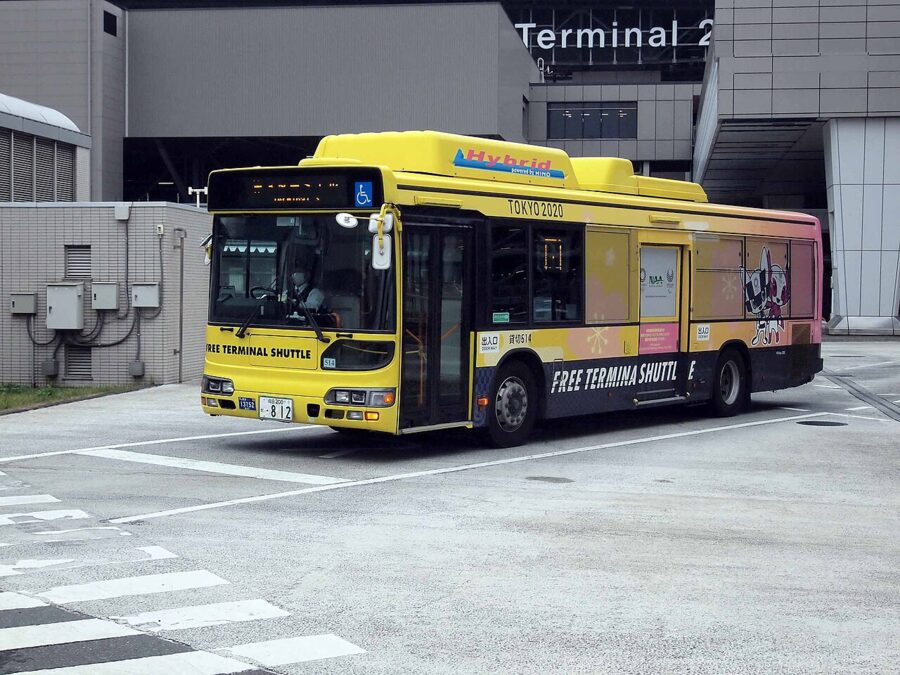

How the hotel loops work
A Narita bus to “Ginza” is really a tour of the district: T-CAT and Tokyo Station’s Tekko Building first, then the Palace Hotel, the Imperial and the rest in a fixed order. If your hotel is last, add 20 or 30 minutes, and pick a departure that shows a time against your hotel, because not every bus calls everywhere.
The Shinjuku buses run often enough that a missed one costs you 20 minutes, and the west Shinjuku towers are exactly where a suitcase is most awkward to drag from the station.
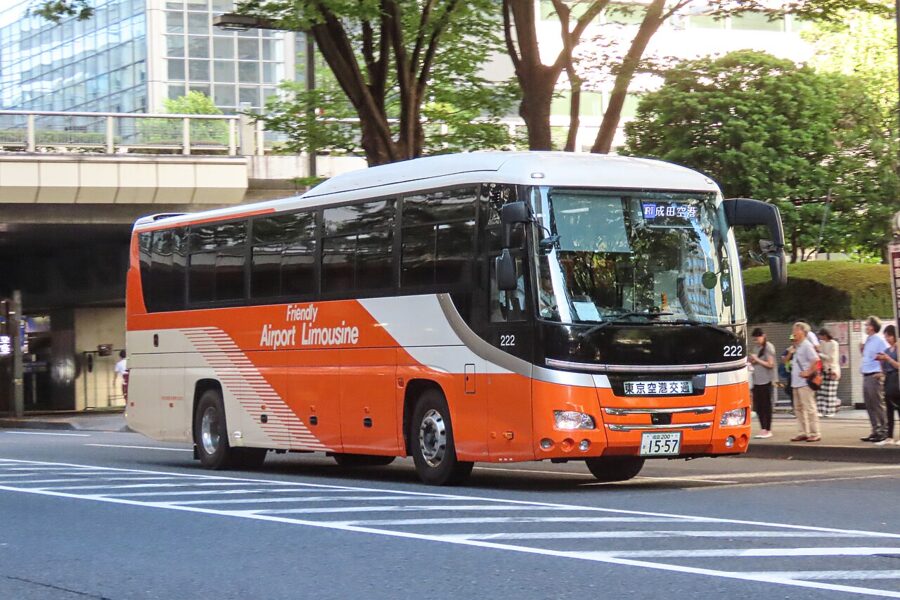

Routes from Haneda Airport
Haneda is closer, so the fares drop to well under half of Narita’s. Buses leave Terminal 3, the international terminal, first, then pick up at Terminals 2 and 1. Going to the airport the order reverses: Terminal 2, Terminal 1, and Terminal 3 last, which suits international departures.
| Destination area | Main stops | Adult fare | Standard time |
|---|---|---|---|
| Shinjuku and Nakano | Busta Shinjuku, Shinjuku Station West Exit, Keio Plaza, Hilton, the Hyatts | ¥1,400 (about $9) | About 45 min |
| T-CAT | Tokyo City Air Terminal, some buses on to Tokyo Dome Hotel | ¥1,000 (about $7) | About 55 min |
| Tokyo Station | Yaesu North Exit (Tekko Building) | ¥1,200 (about $8) | Varies with traffic |
| Ikebukuro | Ikebukuro Station West Exit, Metropolitan, Sunshine City Prince | ¥1,400 | About 55 min |
| Shibuya | Shibuya Station, Cerulean Tower Tokyu Hotel, Shibuya Excel Hotel Tokyu | ¥1,300 (about $9) | Varies with traffic |
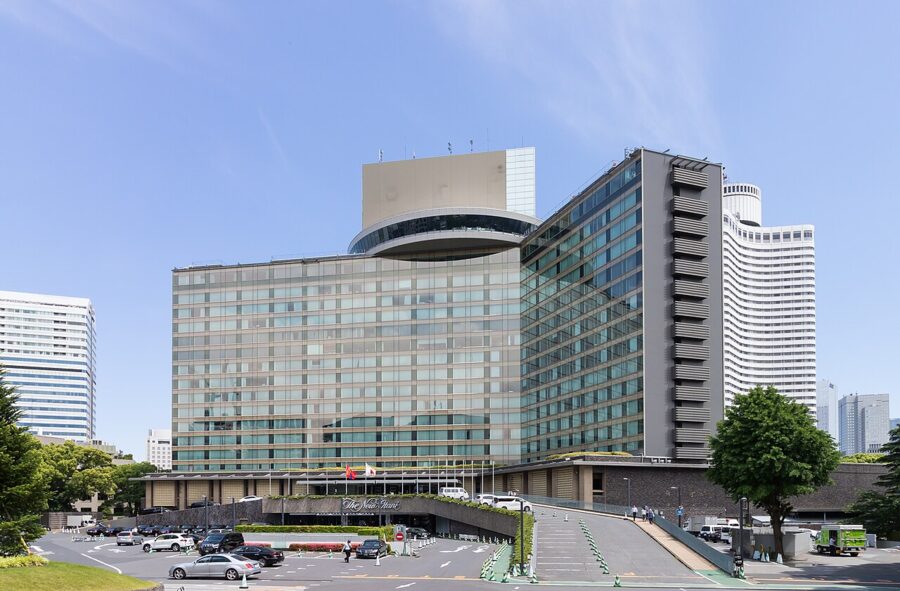
| Akasaka | Hotel New Otani only | ¥1,400 | Two round trips a day |
| Asakusa and Toyocho | Asakusa View Hotel (¥1,300), Toyocho Station, two hotels | ¥1,200 | Varies with traffic |
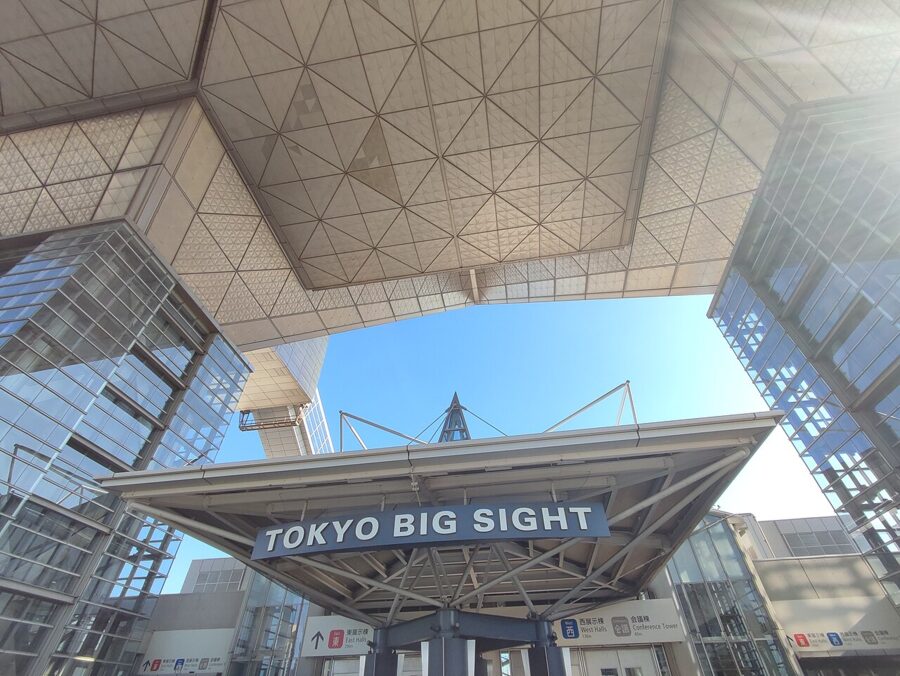
| Odaiba, Ariake and Toyosu | Odaiba hotels, Tokyo Big Sight, Toyosu Station | ¥1,000 | Varies with traffic |
| Kichijoji | Kichijoji Station | ¥1,700 (about $11) | Varies with traffic |
| Tokyo Disney Resort | Tokyo Disneyland, Tokyo DisneySea and the resort hotels | ¥1,300 | About 30 min to Tokyo Disneyland |
| Narita Airport | Terminals 3, 2 and 1 | ¥3,600 | About 80 min |

Two changes from 1 October 2026 matter here. The Hotel New Otani route came back with two round trips a day, and its fare rose from ¥1,200 to ¥1,400. And the Haneda routes to the Ginza, Hibiya and Shiodome hotels and to Shiba, Ebisu and Shinagawa are listed as suspended as of November 2026, so from Haneda those hotels are a train ride, not a bus ride.


Beyond central Tokyo
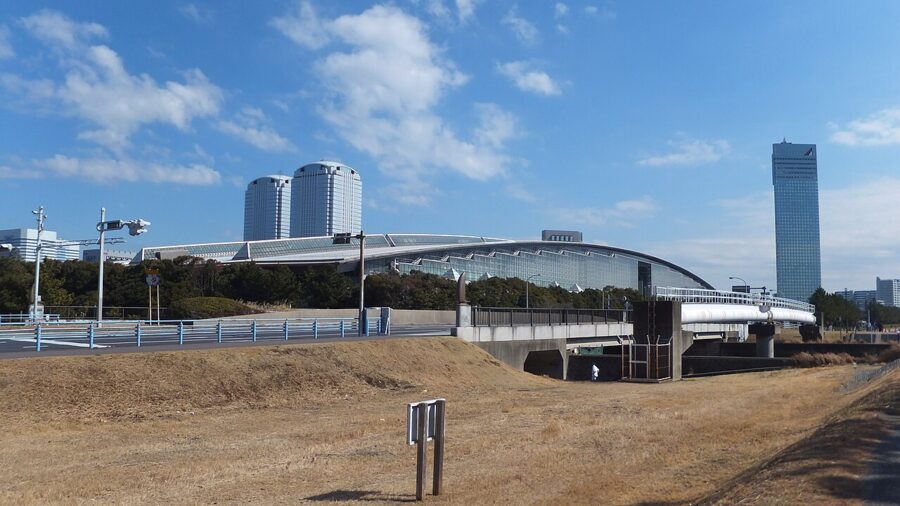
The network reaches well past the 23 wards. From Haneda, buses run to Makuhari Messe for ¥1,500 (about $10), about 45 minutes from Terminal 1, which is the easy way in for Tokyo Game Show. Others fan out to Saitama, Gunma, Tochigi and Ibaraki, as far as Maebashi, Utsunomiya and Hitachi-Mito.

From Narita, Yokohama is the long-distance route most visitors use: YCAT at Yokohama Station East Exit, ¥4,000, about 100 minutes, with the last bus leaving Terminal 1 just before 22:00 on the November 2026 timetable. For Hakone there is a combined Limousine and Hakone Freepass ticket, covered below. Narita to Haneda runs both ways for ¥3,600 and is the simplest airport transfer if you have a long connection and too much luggage for two train changes.

Fares, discount tickets and where to buy
Children aged 6 to 11, plus 12-year-olds still in primary school, pay half the adult fare, rounded up to the next ¥10. A child under 6 on your lap rides free; one in their own seat pays the child fare. Fares can change without notice, so check the timetable page before you go.
At the airport
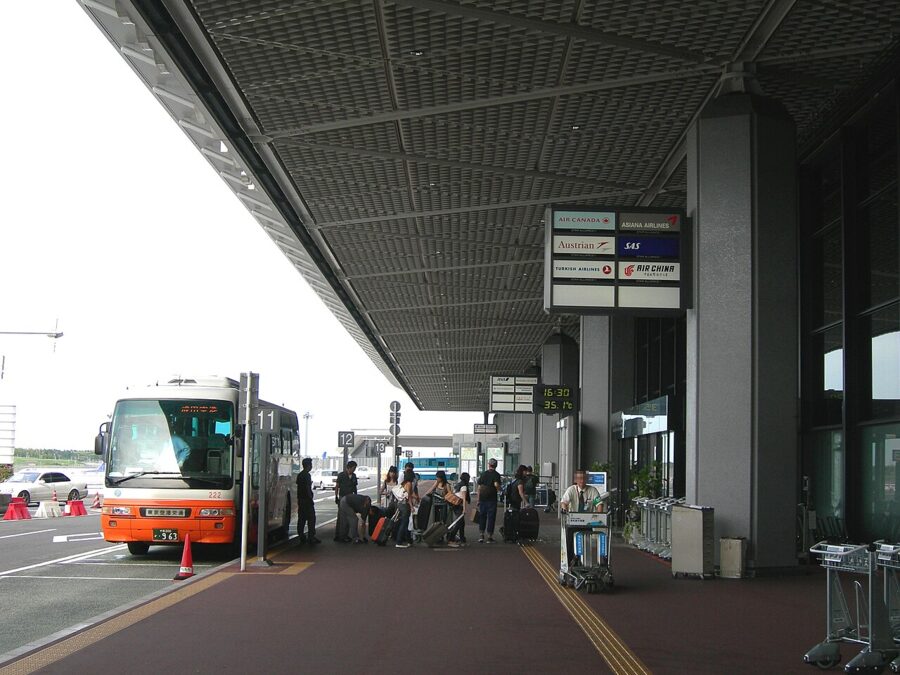
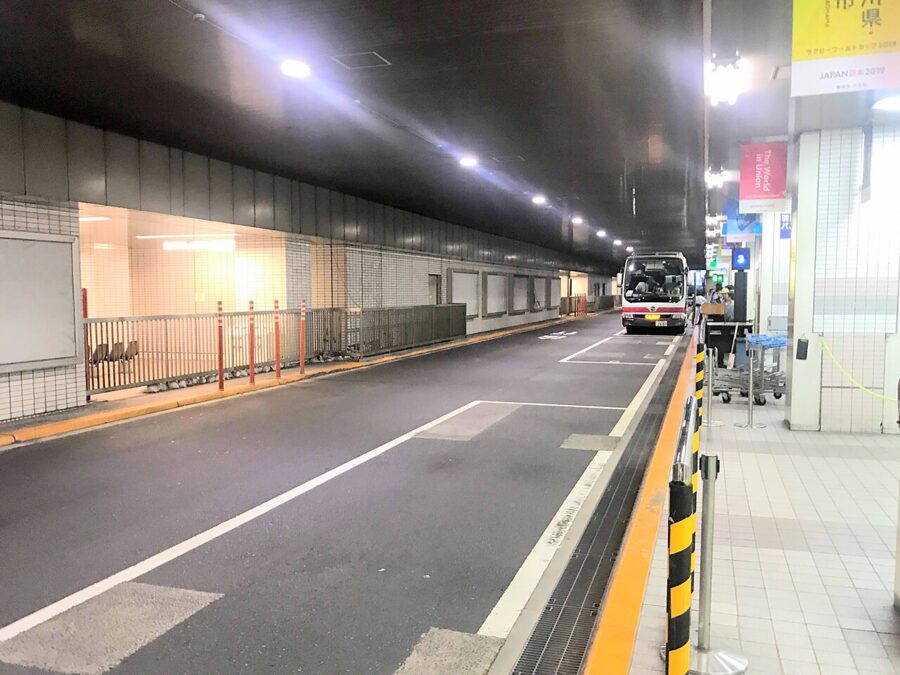
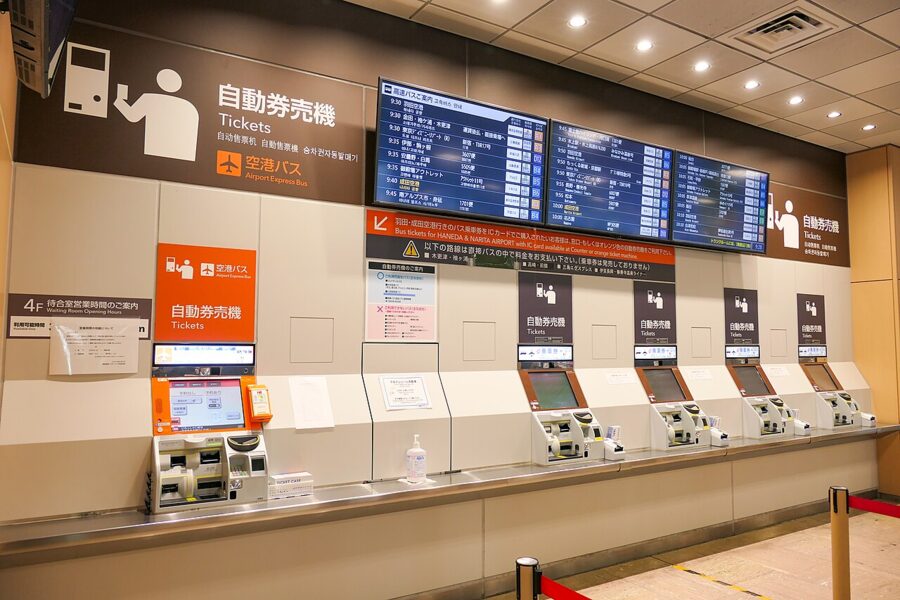
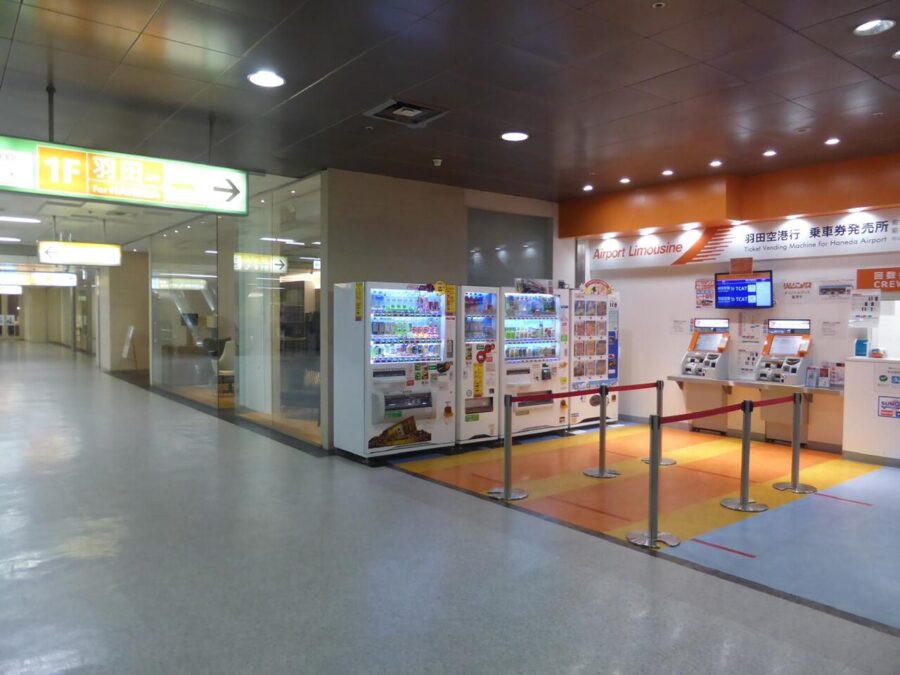
At Narita, the Limousine ticket counters are in the arrival lobbies. At Haneda, Terminal 3 has both counters and machines, while Terminals 1 and 2 sell from machines only. A same-day ticket from the machine at Haneda carries a departure time and an automatically assigned seat.
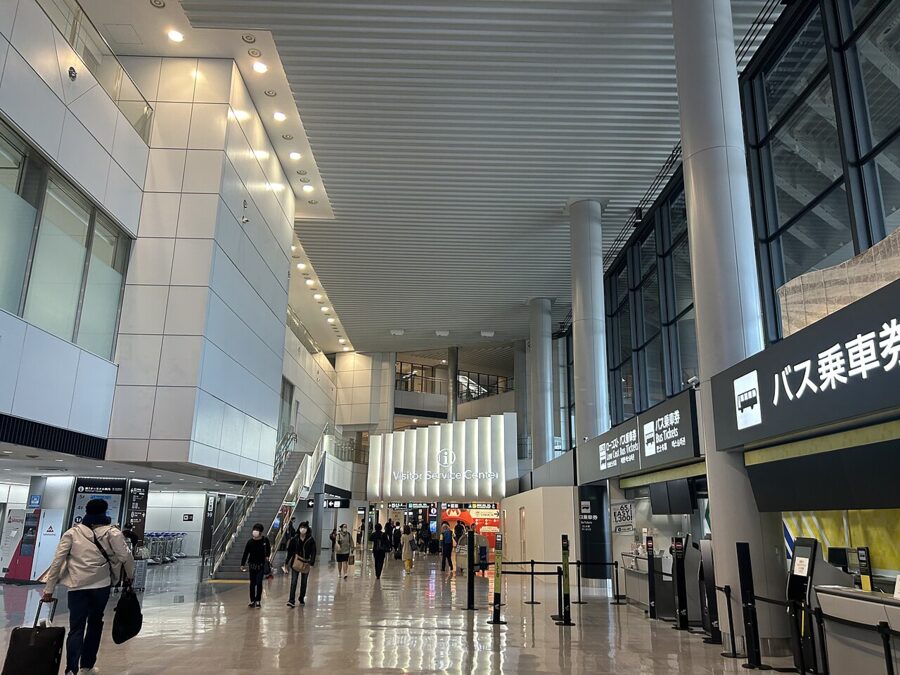

Counters and machines take credit cards at the airports, T-CAT, Busta Shinjuku, Shinjuku Station West Exit, YCAT and the Tekko Building at Tokyo Station. The machines refuse UnionPay. Nothing takes a card on the bus itself or at hotel stops, where you pay cash into the fare box, so keep ¥4,000 in notes for a hotel pickup to Narita.
Suica, PASMO, ICOCA and the other regional IC cards work on some routes, at counters, at machines and on the bus. At Busta Shinjuku only the orange machines accept them. You cannot top up at a counter, and the fare box on board only tops up with ¥1,000 notes, so load the card before you board.

Online
The Limousine Bus Reservation Web opens bookings at midnight Japan time one month before the travel date. You pay by card, Alipay or WeChat Pay, receive a QR code by email, and can book or change until 5 minutes before the bus. Cancelling costs ¥110 (under $1) per person. Telephone bookings for individual travelers ended on 30 September 2025.
Not every route can be booked. As of March 2026, Narita routes book only in the airport-to-city direction, except Narita to Haneda, which books both ways. From Haneda, the T-CAT and Tokyo Dome Hotel routes book both ways, and Odaiba, Ariake and Toyosu book from the airport only. Everything else is first come, first served, with no standing passengers: a full bus leaves without you.

Discount tickets
The Limousine and Subway Pass bundles bus tickets with the Tokyo Subway Ticket, valid on all Tokyo Metro and Toei subway lines. As of November 2026, the Narita versions cost ¥4,200 (about $28) for one bus ride plus 24 hours of subway, ¥7,500 (about $50) for two rides plus 48 hours, and ¥8,000 (about $53) for two rides plus 72 hours. The Haneda versions cost ¥2,300 (about $15), ¥4,100 (about $27) and ¥4,600 (about $31). Buy them on the operator’s ticket site; bus times can be changed until 5 minutes before departure, but the pass cannot be cancelled.
For a first trip of three or four days, the 72-hour Narita pass is the one I would buy. Two plain ¥3,600 fares come to ¥7,200 (about $48), so three days of subway cost ¥800 (about $5) extra. Check the operator’s list of stops where the pass is valid before you buy.
Heading straight to Hakone? The Limousine and Hakone Freepass, sold at the bus counter in Narita’s arrival lobby, combines one Narita bus ride with a 2-day Hakone Freepass for ¥10,300 (about $69), or two rides for ¥13,100 (about $87). Members of the reservation site can also buy 11 rides in the ¥1,000 zone around Haneda (T-CAT, Odaiba, Ariake, Toyosu) for ¥10,000 (about $67), valid six months.
Journey times, traffic and the last bus
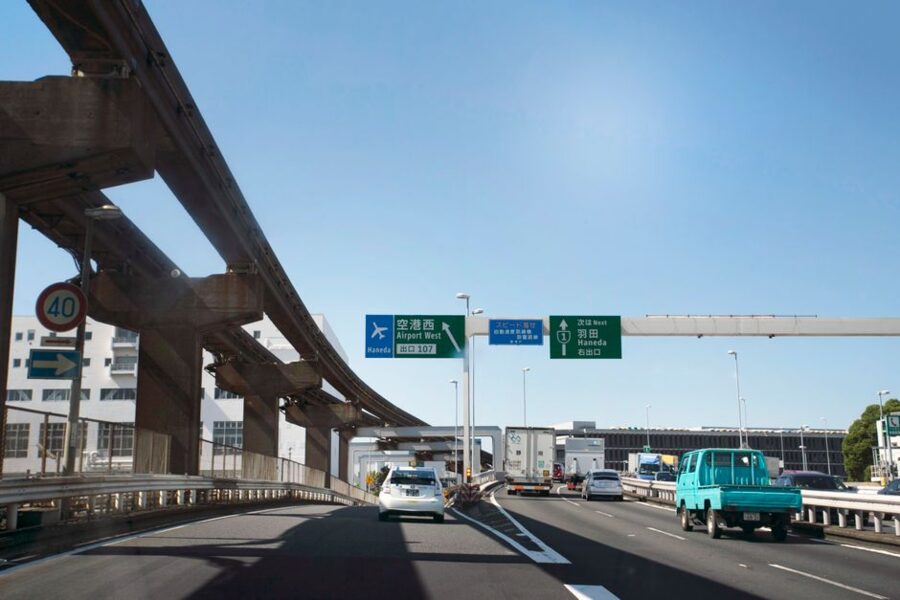
The standard times are planning figures, not promises. The operator also publishes live estimates from the GPS on every bus. At 11:22 on 22 November 2026, Narita to Shinjuku read 69 minutes against a standard 120, while Narita to YCAT read 114 against 100.
The operator’s own warning is weekday mornings and evenings and holiday periods. Golden Week, the mid-August Obon break and the New Year holidays fill the expressways, so if you are still choosing dates, the best time to visit Japan has a traffic side as well as a weather side. On a day like that, assume the long end of every estimate.
The last buses
On the November 2026 timetable, the last Narita bus to the Shinjuku area left Terminal 3 at 22:55 and Terminal 1 at 23:05, arriving just after midnight. The last to T-CAT left Terminal 1 at 23:05. Land much after 22:00 at Narita with immigration to clear and the bus is a gamble.
Haneda runs later. The last regular Shinjuku bus left Terminal 3 at 23:40.
After it come four late-night buses from Terminal 3, at 00:20, 01:00, 01:40 and 02:20, to Shinjuku Station West Exit, Busta Shinjuku, Higashi-Shinjuku and Ikebukuro Station East Exit, for ¥2,800 (about $19). Only the first also calls at Terminals 2 and 1 (00:05 and 00:10). Book it under the date it actually leaves.
The same late-night service runs the other way for dawn flights. As of November 2026, buses leave Ikebukuro Station East Exit at 03:35, Higashi-Shinjuku at 03:50 and Busta Shinjuku at 04:00, reaching Haneda Terminal 3 at 04:35, also for ¥2,800.

If your flight is late
The bus does not wait for flights, and a delayed landing is not grounds for a refund. Change the booking yourself before the bus is due, from the QR email or your account. The operator suggests booking 60 minutes after the scheduled arrival of an international flight and 30 to 50 minutes after a domestic one. For the trip out, it says to reach the airport 2 hours before an international departure and 1 hour before a domestic one, 90 minutes for a low-cost carrier.
Luggage, and the stop at your hotel
Each passenger can put two pieces in the hold, each no bigger than 50 by 60 by 120 cm and no heavier than 30 kg. There is no paying for a third bag. Golf bags, skis and snowboards in covers, and fishing rods in hard cases go in if there is room, at your own risk. Bicycles in a bike bag and surfboards up to 2 m need approval in advance from the Limousine Bus Information Center (daily, 09:00 to 18:00).
Keep these in the cabin: passport, cash, laptop, camera, glass, souvenir bottles, fresh or frozen food, and any power bank, which is banned from the hold altogether. Strollers, child seats, wheelchairs and walkers do not count against your two bags. Pets travel in a small closed carrier on your lap or at your feet.
The hold liability limit is ¥200,000 (about $1,330) per person, and only when the operator is at fault. Mix-ups have risen, the operator says, so make sure the bag you are handed is yours before you walk off.
Boarding at a hotel
In principle you do not have to be a guest to use a hotel stop, so the Keio Plaza stop works for anyone staying in west Shinjuku. Ask the front desk where the Limousine stops; at the Sheraton Grande Tokyo Bay it is the ground-floor entrance. Pay cash on the bus, or by IC card where the route takes them.
For the run back to Narita, there is no online booking from the city side, though the Shinjuku Station West Exit and Busta counters sell tickets for later dates. Be at the stop 15 minutes early, and have a plan B: T-CAT and Busta Shinjuku have the most Narita departures, a short taxi ride from most central hotels.
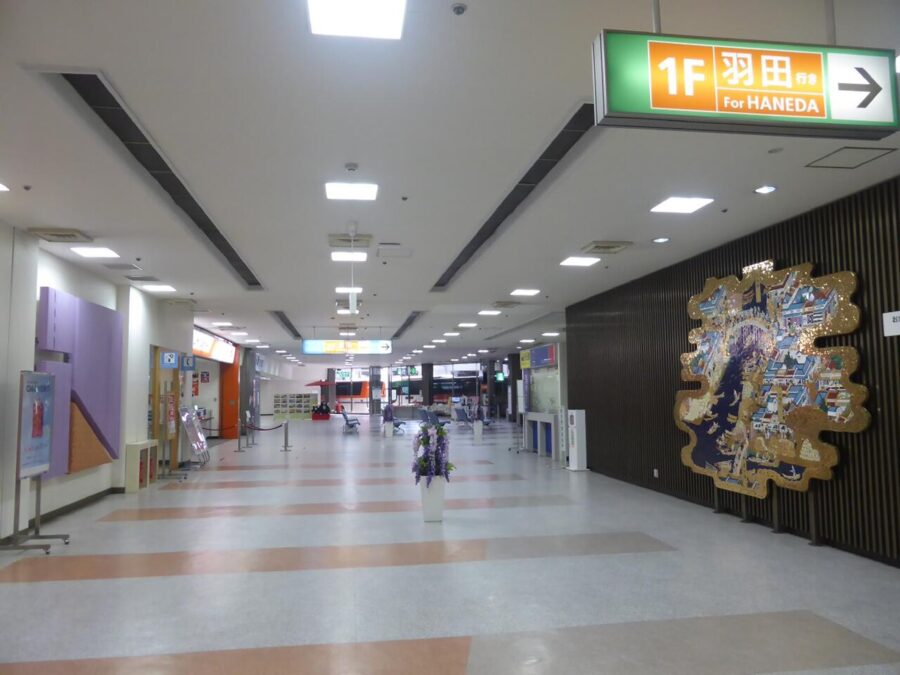

When the bus beats the train, and when it does not
From Narita
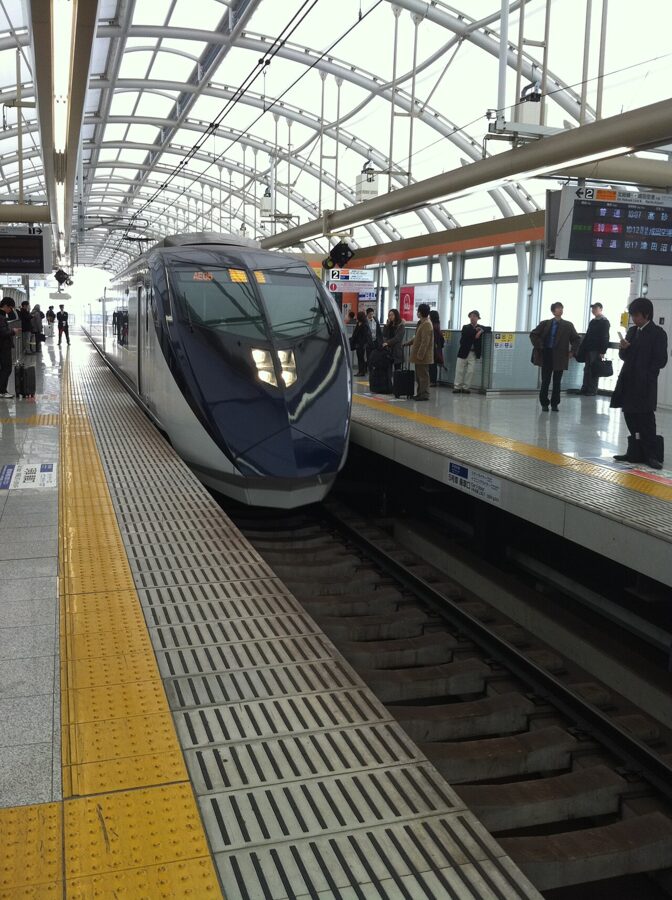
The Keisei Skyliner takes as little as 36 minutes from Narita’s Terminal 2 and 3 station to Nippori and 41 minutes to Keisei Ueno. If you are staying in Ueno, Yanaka, Asakusa or anywhere on the north-east side, take the Skyliner. The bus only wins there if your hotel is one of the three Asakusa stops.

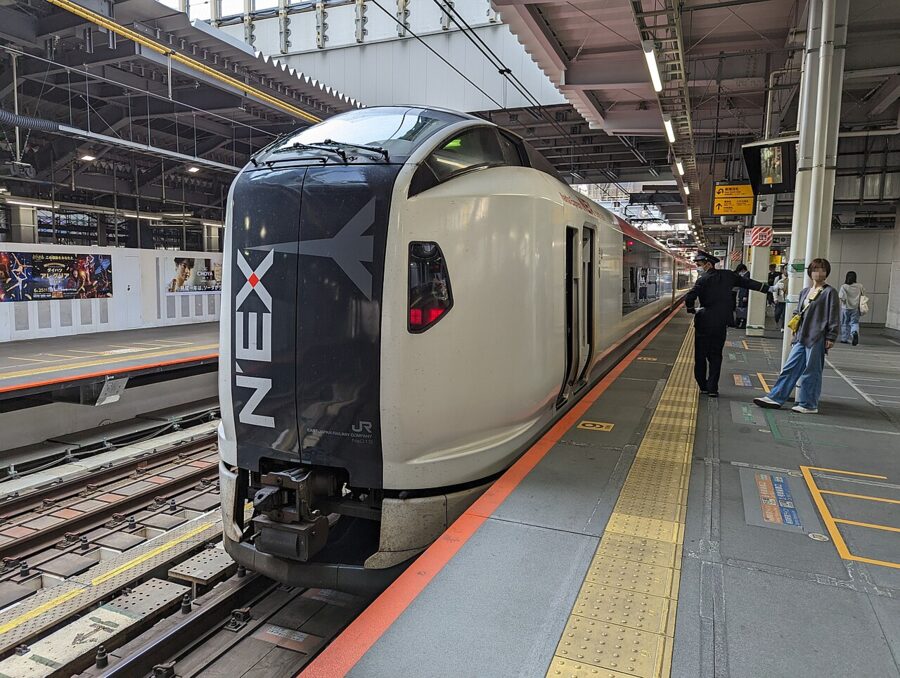
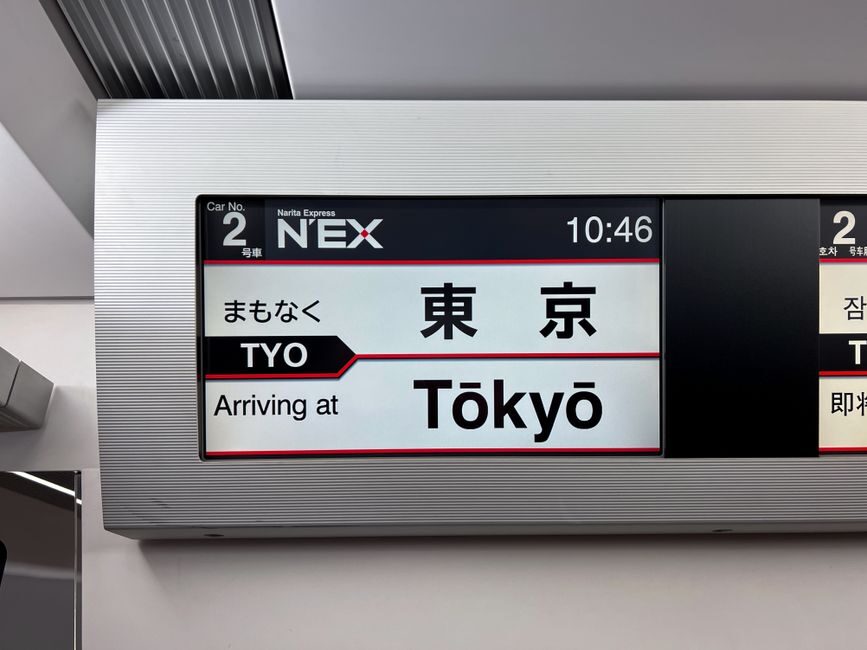
The Narita Express runs to Tokyo, Shinagawa, Shibuya, Shinjuku and Yokohama. It is the better choice when you land in a weekday rush hour, when your hotel is a short walk from one of those stations, or when you are staying anywhere the bus does not stop.
The bus wins when your hotel is on its stop list and you have two big bags, when you travel with children, and when you land in the evening after the rush. It also wins for Tokyo Disney Resort and Odaiba, where the train means at least one change.
From Haneda
Haneda Airport’s own figures put Shinagawa about 15 minutes away by train, Hamamatsucho about 20, Tokyo Station about 30, Shibuya about 45 and Shinjuku about 50. Against a 45-minute standard bus time to Shinjuku, the train has no speed advantage there, and the bus has no stairs. For Shinjuku, Ikebukuro and Tokyo Disney Resort, about 30 minutes by bus against about 50 by train to Maihama, I would take the bus.
For Shinagawa, Hamamatsucho and the Ginza hotels, take the Keikyu Line or the Tokyo Monorail. The trains are faster, cost less than the bus, and the Haneda bus routes to those hotels are suspended anyway. The same goes for any hotel not on a bus route: one train and a taxi beats two buses.
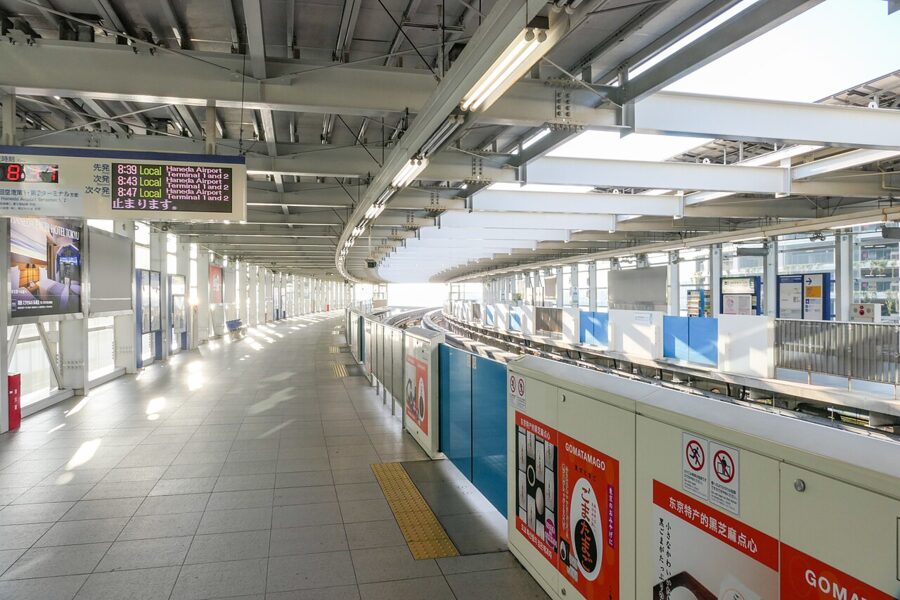
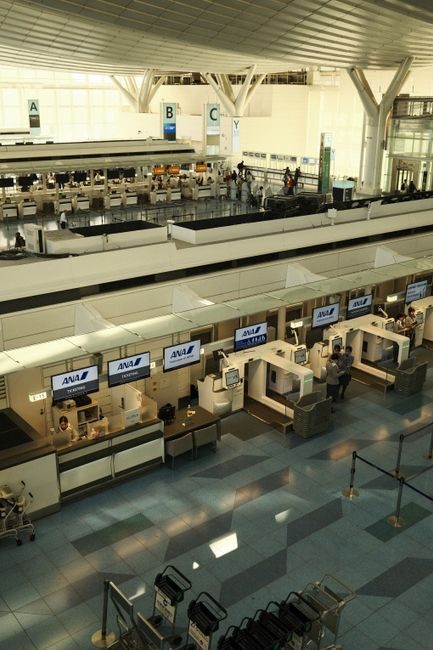
After midnight the question answers itself. The ¥2,800 late-night buses to Shinjuku and Ikebukuro, and the 04:00 departure from Busta Shinjuku the other way, cover the hours when the trains are not running.
My rules
- Hotel on the stop list, two big bags, landing outside rush hour: bus.
- Ueno, Asakusa or Yanaka from Narita: Skyliner.
- Shinagawa or Ginza from Haneda: Keikyu or the monorail.
- Landing at Narita into the weekday morning or evening rush: train.
- Haneda after midnight, or a flight before 06:00: the late-night bus.
- Narita to Haneda with luggage: the direct bus, ¥3,600, about 80 to 90 minutes.
Check whether your hotel’s name is on the stop list before you book anything else. If it is, reserve the bus from the airport, keep cash for the ride back, and let the crew deal with the bags.