
Tokyo Game Show 2027 runs from Thursday, September 16 to Monday, September 20 at Makuhari Messe, and the date that decides your trip is not in September at all. It falls in July, at noon Japan time, when the one-day public tickets go on sale. There are no tickets at the door, so a flight booked before that sale is a bet.
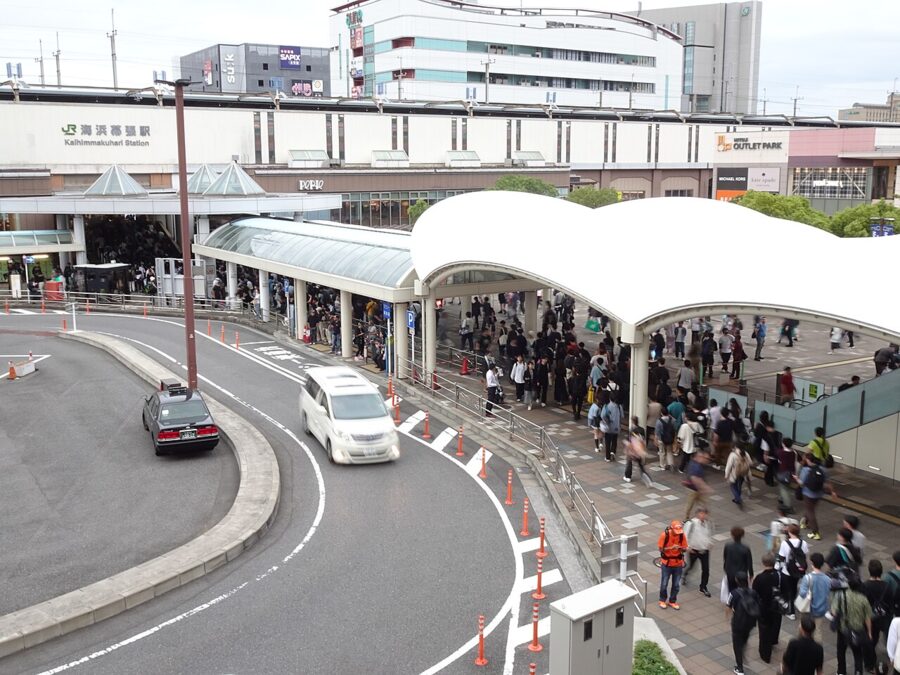
The rest of the plan is easier than the ticket. Makuhari Messe is in Chiba, about 30 minutes from Tokyo Station on the JR Keiyo Line, and the walk from Kaihin-Makuhari Station takes five. The organizer, the Computer Entertainment Supplier’s Association (CESA), first held the show in 1996, and in 2026 it drew 257,642 people over four days.
Four days, not five. The 2026 show was the first to run five, and Typhoon No. 25 shut the final day at the venue. That is the other thing a September game trip has to allow for, and I come back to it at the end.


On this page
When Tokyo Game Show 2027 runs, and what each day is like
CESA has announced September 16 to 20, 2027, with the venue planned as Makuhari Messe again (as of November 2026). It has not yet published the split between business days and public days for 2027. If it repeats 2026, Thursday and Friday are business days and Saturday, Sunday and Monday are public days.
Monday, September 20, 2027 is Respect for the Aged Day, a national holiday, and Thursday, September 23 is the autumn equinox holiday. With two long weekends back to back, expect Japanese domestic travel to be busy all week. Book rooms and any Shinkansen seats early.
Hours in 2026 were 10:00 to 17:00 on business days and 9:30 to 17:00 on public days, with the holiday Monday closing at 16:00. On public days the doors could open 30 minutes early, last entry was 16:00 (15:00 on the Monday) and re-entry was allowed until 16:30.
| Day | 2026 visitors | 2025 visitors |
|---|---|---|
| Thursday (business) | 53,630 | 52,352 |
| Friday (business) | 52,545 | 54,779 |
| Saturday (public) | 78,678 | 77,415 |
| Sunday (public) | 72,789 | 78,555 |
| Monday holiday (public) | Cancelled, typhoon | No fifth day |
Those are CESA’s own counts. The weekend days run 40 to 50 percent above a business day, and the two weekend days are close enough that neither is the quiet one.
Business days: for the trade only

Business days are for people who work in games: developers, publishers, distributors, press. Students of any kind, including university students, and anyone under 18 are refused, and so are infants. Registration is screened, one person at a time, with your company details.
If an exhibitor gives you a 16-digit pre-registration code, the standard business pass is free. Without one it cost ¥16,500 (about $104) in 2026, and paid registration closed on September 8. The Gold Pass, ¥44,000 (about $277) without a code, adds the business lounge, the matching system for booking meetings with other attendees and the International Party on the Friday evening. On the day you swap your PDF ticket for a badge at reception, with photo ID and two business cards.
If you qualify, go on the Thursday: you get the whole floor with about two thirds of a Saturday’s crowd, and meetings are easier to book. A business pass does not cover the public days, and a public ticket does not cover business days.
Public days: the show most people mean
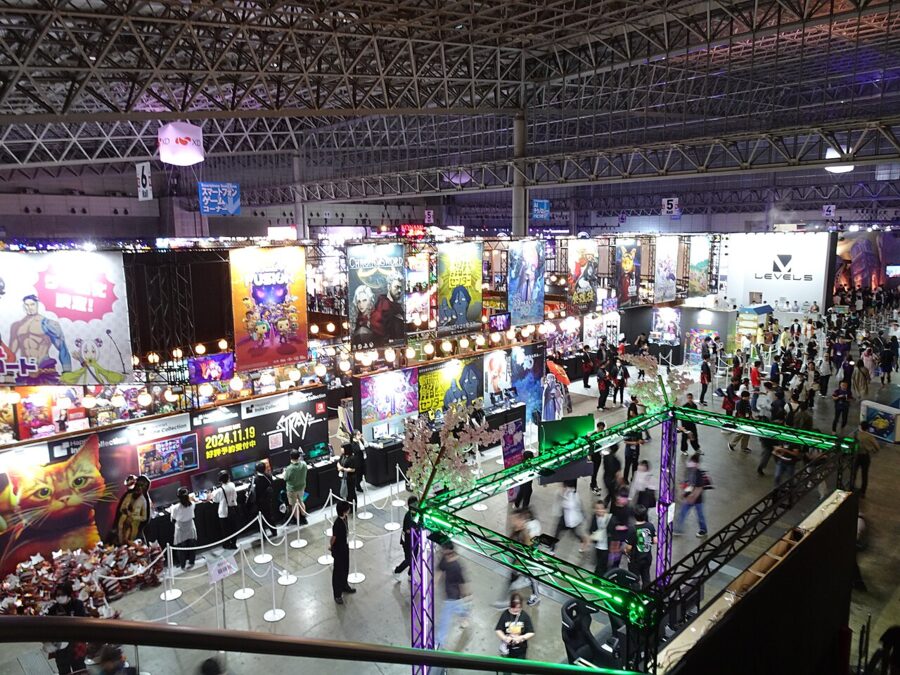

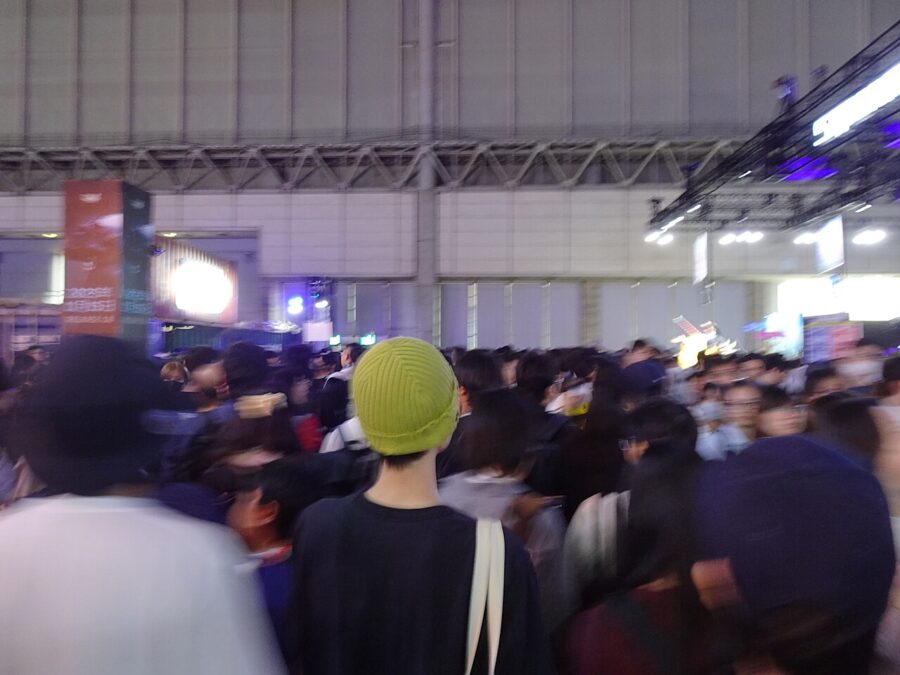
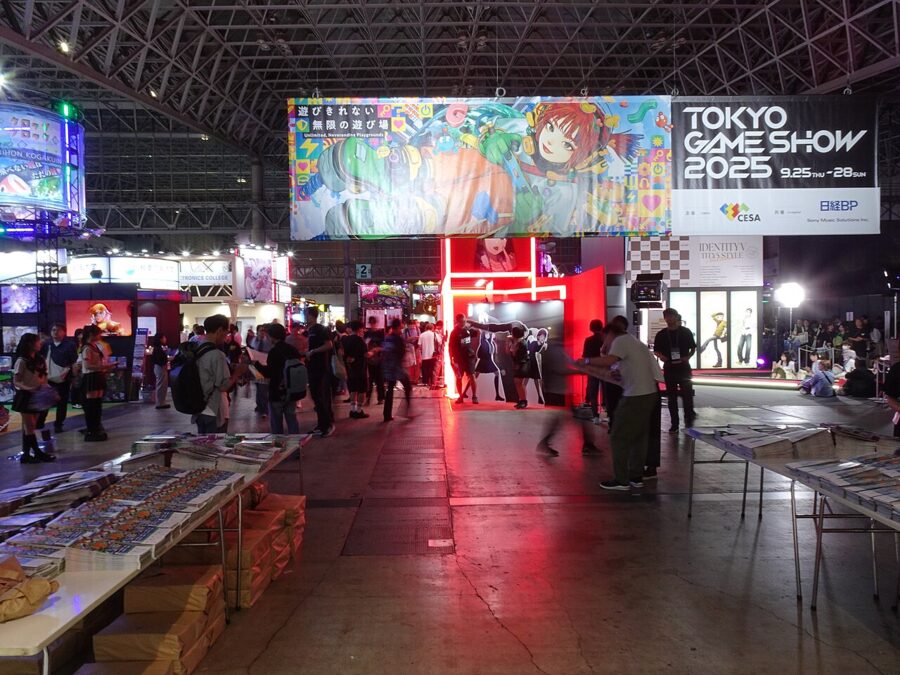
The public days are what the photos show: the big publishers’ stages, demo lines, cosplay, merchandise and a lot of noise. In 2026 there were 1,138 exhibitors from 53 countries and regions on 3,999 booths. The venue is split into capacity areas (Halls 1-3, 4-6, 7-8 and 9-11), and when one fills, entry pauses until people leave.
Children of elementary school age and younger get in free. In 2027 the holiday Monday is the day I would gamble on: the 2026 one never happened, so there is no count yet, but it closes an hour early and comes after a weekend of crowds.
Tickets: how and when they go on sale
In 2026 CESA published the ticket details on July 8, ran a lottery for the Fast and Premium tickets from July 11 and opened the general sale on July 20. In 2025 the public-day sale was scheduled for mid-July and business registration for mid-August. The 2027 schedule is not out yet (as of November 2026), and these were the 2026 public-day tickets, all priced per day with tax included.
| Ticket (2026) | Price | How it sold | What it gives you |
|---|---|---|---|
| 1-day admission | ¥3,000 (about $19) | Open sale from July 20, 12:00 JST | Entry on one date, junior high age and up |
| Fast Ticket | ¥6,000 (about $38) | Lottery July 11-15, then first-come from July 20 | Priority entry at opening, tote bag and sticker |
| Premium Ticket | ¥30,000 (about $189) | Lottery July 11-15, then first-come from July 20 | Fast entry all three public days, a lounge, gifts |
| Special discount | ¥1,500 (about $9) | From July 20, Lawson Ticket only | For holders of a disability certificate or Mirairo ID |
From abroad, the channels in 2026 were Lawson Ticket for the Fast and Premium tickets, and Trip.com for the 1-day ticket, which arrived as a QR code on your phone. Residents of Japan also had a long list of convenience-store ticket agencies. Every ticket is for one date, and none can be changed or refunded for a wrong date.
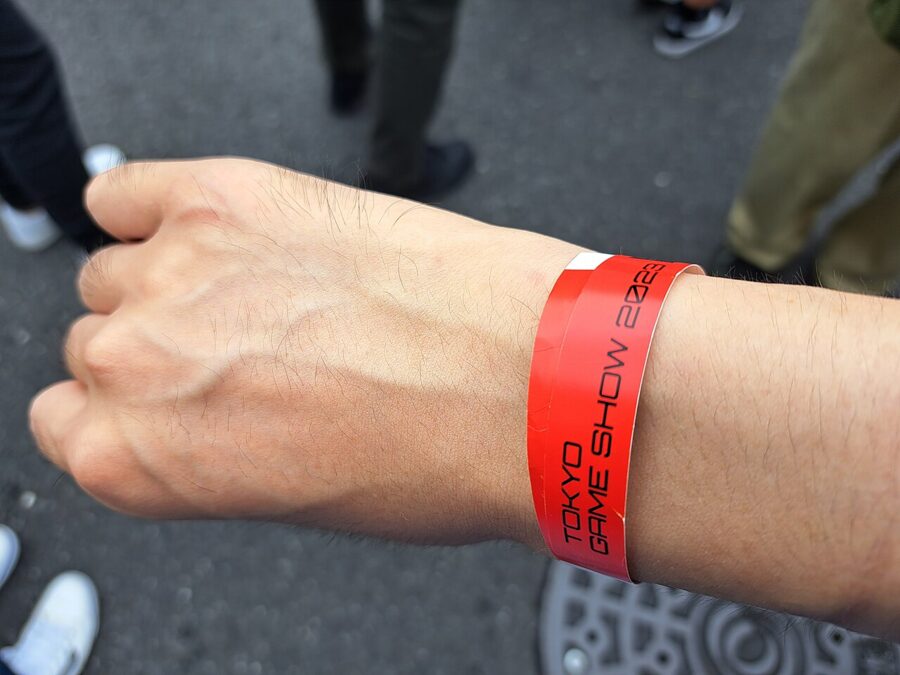

The Fast and Premium tickets carry your name, and staff check it against photo ID at the gate, so bring your passport. You must buy for yourself, and a child who wants the Fast lane needs a Fast Ticket too. Fast holders could start queuing from the first train at Kaihin-Makuhari and had to be in the lane by 9:00.
Is the Fast Ticket worth ¥6,000? On a weekend, yes, if your first target is a big-publisher demo, because you reach the booth before the lines build. On the holiday Monday I would save the money. The 2026 ticket page now lists every channel as sold out, and the lottery exists because demand runs ahead of supply, so buy on the first morning of the open sale.
Tickets for the cancelled Monday in 2026 were refunded: overseas Lawson Ticket and Trip.com buyers got the money back on their cards automatically. The refund covered the ticket only. For flights and hotels you need travel insurance that covers event cancellation.
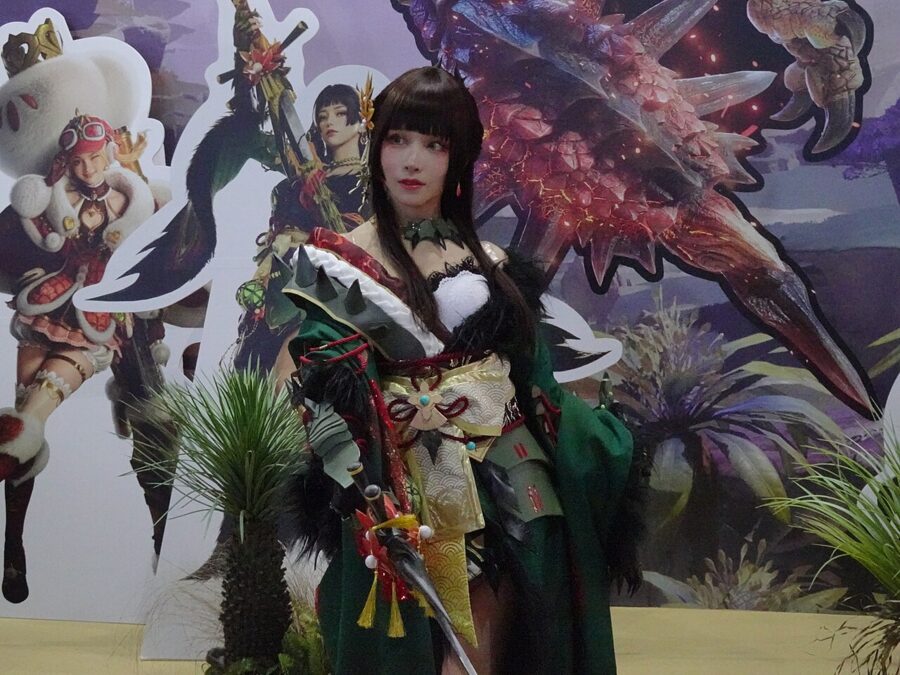
Cosplayers need a cosplay ticket on top of a 1-day ticket: ¥2,000 (about $13) for regular use, or ¥3,000 for the early-morning changing slot, both on Lawson Ticket for overseas buyers in 2026. The cosplay area was in Hall 9, with registration, changing rooms and a cloakroom on its east side. If costume is the point of your trip, the World Cosplay Summit in Nagoya is the bigger stage, and from 2027 it runs in November.

Buy only through the links on the official ticket page at https://tgs.cesa.or.jp/. Named tickets are checked against ID at the gate, so a resold one will not get you in.
Getting to Makuhari Messe
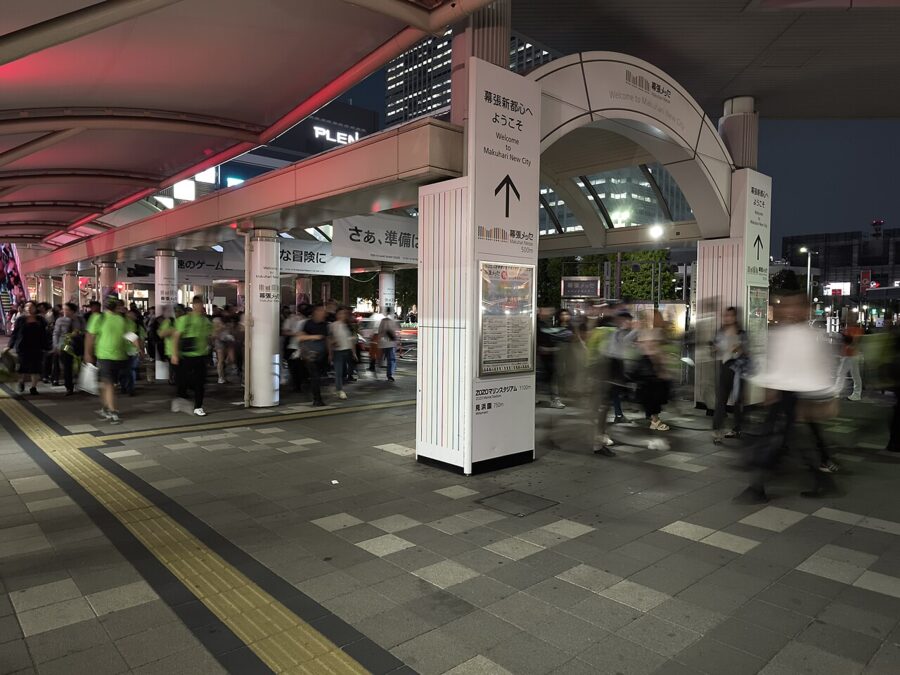
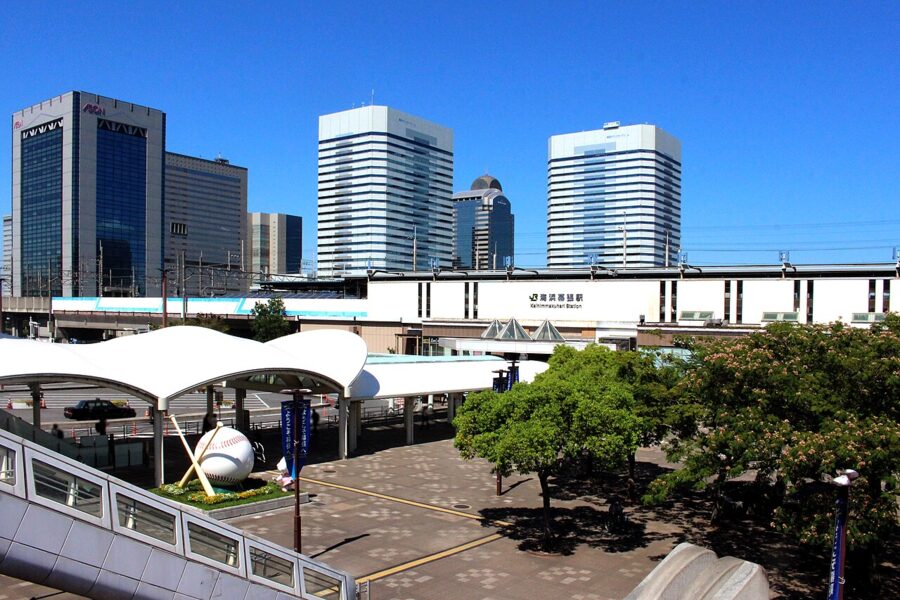
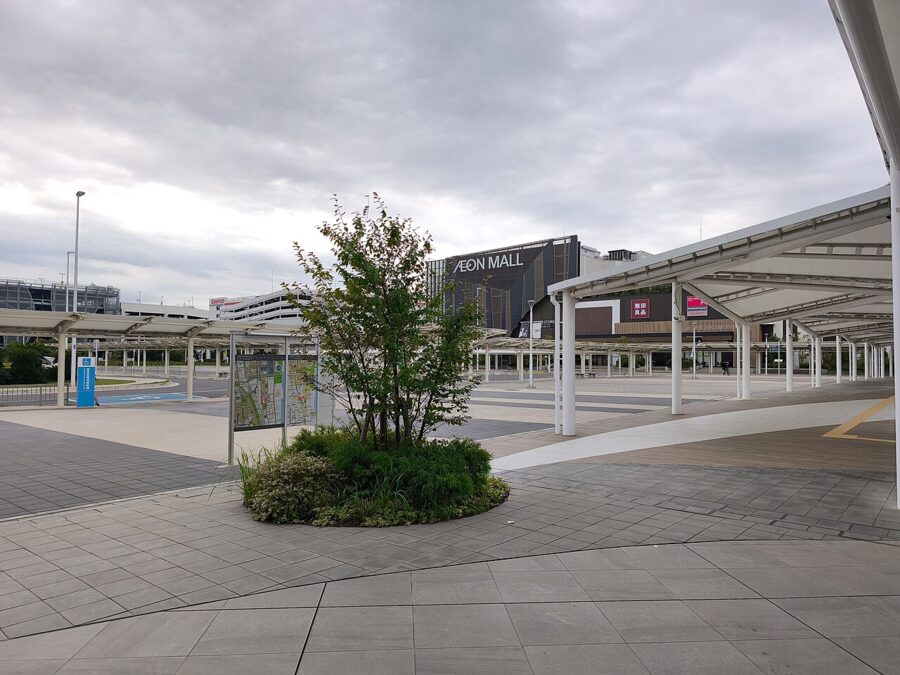
The venue’s station is Kaihin-Makuhari Station (JR Keiyo Line), south exit (南口), five minutes on foot. Every fare below is the IC card fare for a Suica or PASMO, as of November 2026.

From central Tokyo
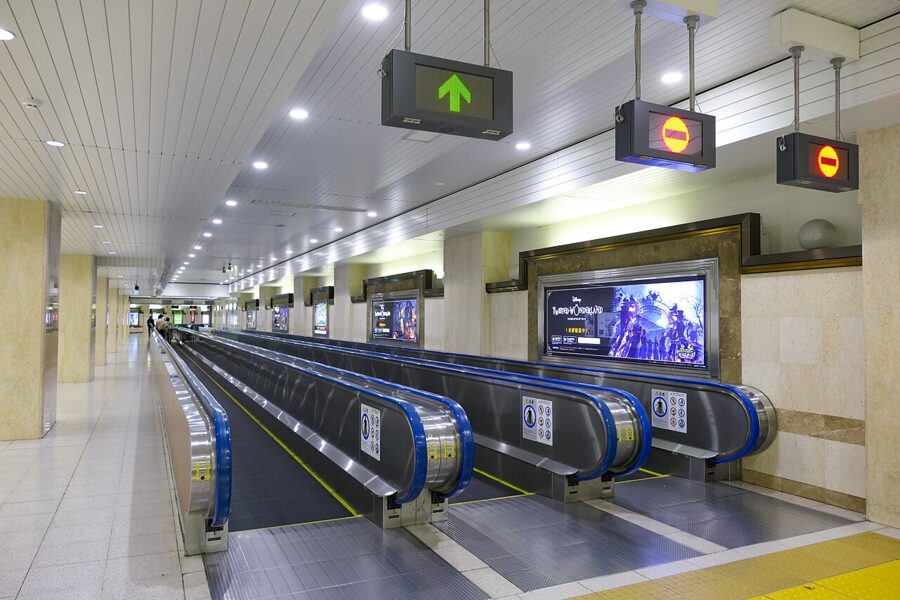
From Tokyo Station, the Keiyo Line runs straight to Kaihin-Makuhari in about 30 minutes on a rapid and 37 on a local, for ¥616 (about $4). The Keiyo Line platforms are deep underground, a long walk from the other JR lines, so allow extra time for the change. From Akihabara it is about 50 minutes with one change, and from Shinjuku just over an hour for ¥715 (about $5).

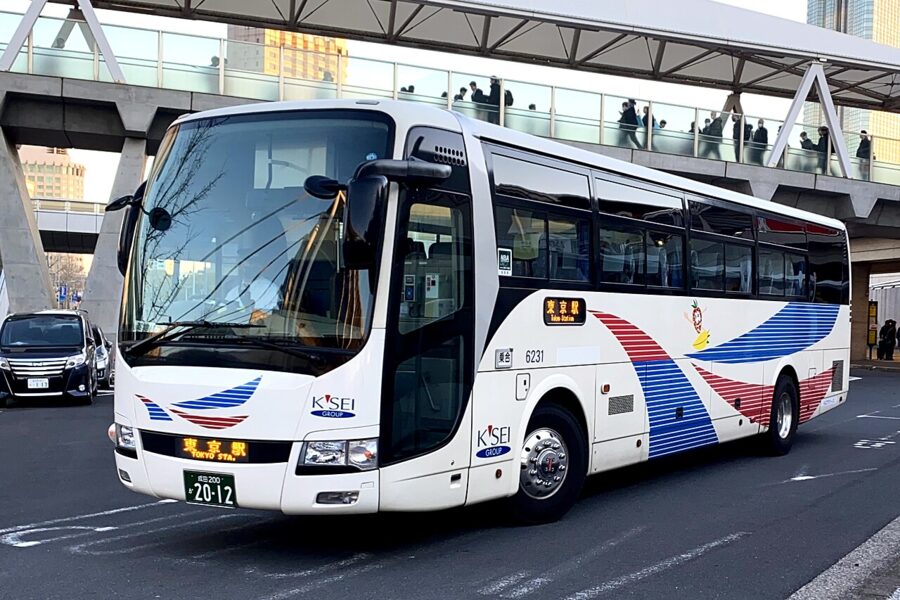
On the 2026 public days, Keisei Bus also ran a temporary express bus between Tokyo Station, Akihabara and Makuhari Messe, with Akihabara served only on the way back. On the same route’s current timetable it costs ¥950 (about $6) and takes about 50 minutes from Tokyo Station. These buses run event by event, so check the Keisei Bus page close to the date: https://www.keiseibus.co.jp/express-bus/90419-2/.

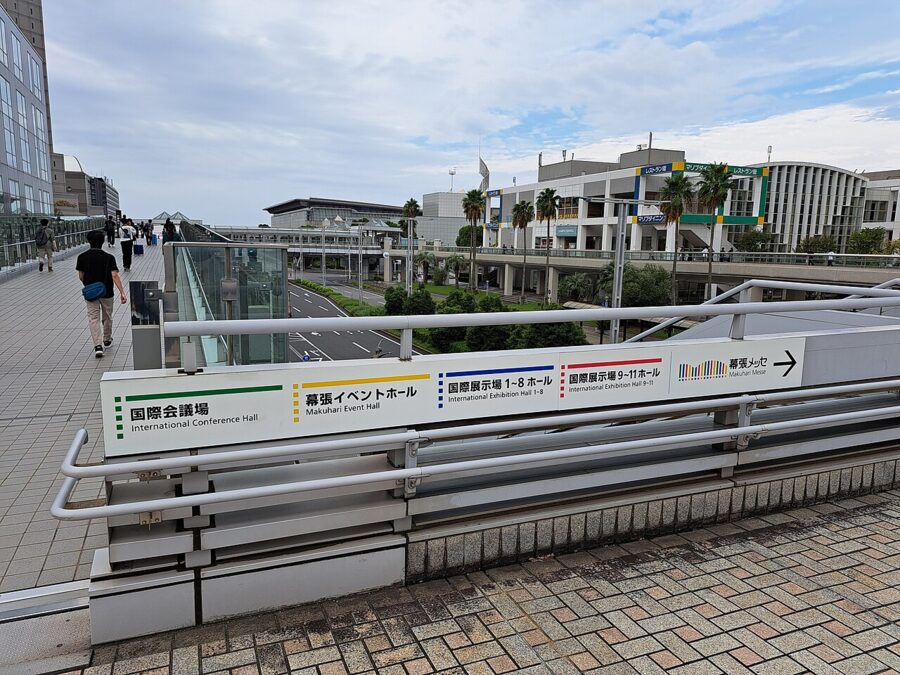

Makuhari-Toyosuna Station, one stop towards Tokyo, is a 20-minute walk from the venue. It is useful on the way home, when the platforms at Kaihin-Makuhari are packed.

From Haneda and Narita airports
From both airports the bus beats the train. From Haneda, the airport bus to Makuhari is run jointly by Keisei Bus, Keikyu and the Airport Limousine Bus, costs ¥1,500 (about $9) and takes about 50 minutes from Terminal 3 to Kaihin-Makuhari Station. It stops at the Makuhari hotels and at the Makuhari Messe Chuo bus stop.
From Narita, Keisei Bus runs to Kaihin-Makuhari Station in about 40 to 45 minutes for ¥1,200 (about $8), with some departures calling at the hotels. The fastest train is about 80 minutes with two changes and an express fee, for ¥2,324 (about $15). Timetables and fares, as of November 2026: https://www.keiseibus.co.jp/express-bus/90208-2/ for Haneda and https://www.keiseibus.co.jp/express-bus/90105-2/ for Narita.
Leaving at closing time
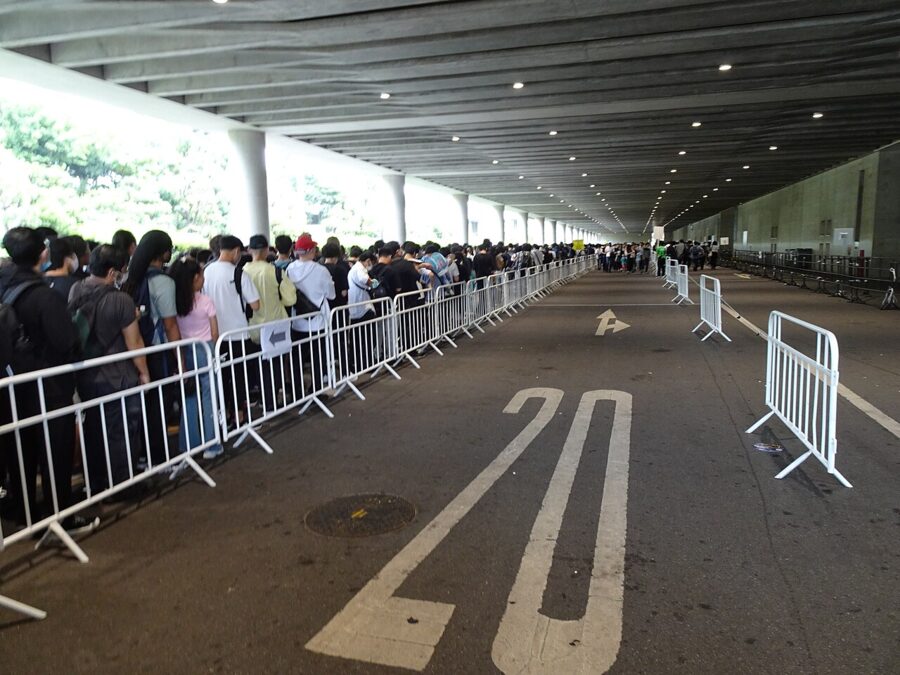
At 17:00 most of the crowd walks back to Kaihin-Makuhari at once, and the station backs up. Leave at 16:15, or stay for dinner in Makuhari and travel at 18:30. Neither costs you much of the show.

Inside the halls: what is worth your time
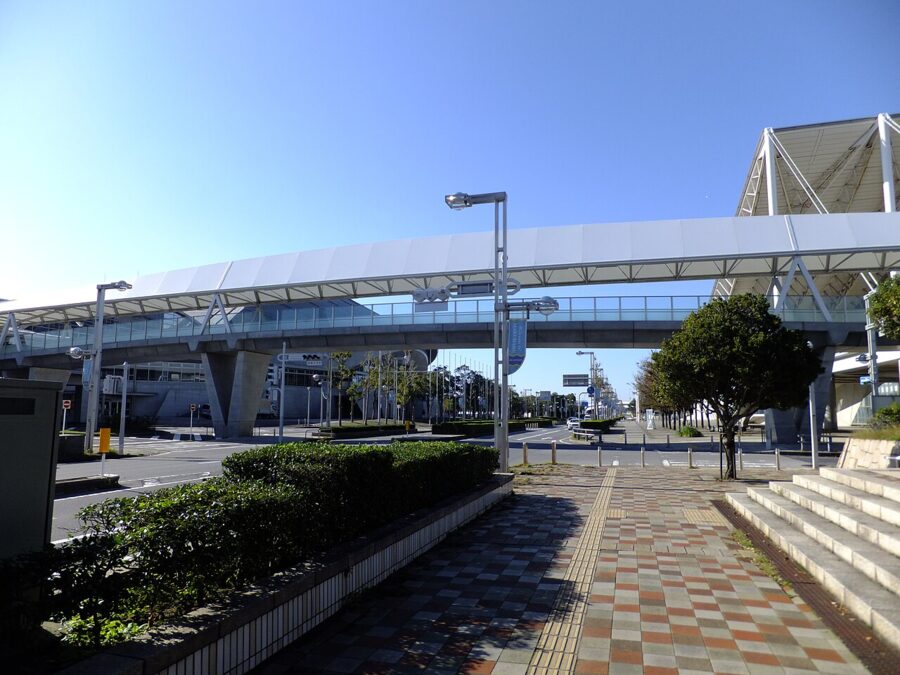
Makuhari Messe’s exhibition building has two parts: Halls 1-8 to the south and Halls 9-11 to the north, linked by a raised walkway. Public-day entry in 2026 was on the first floor of Hall 1 (after a bag check in the plaza west of the Event Hall) and on the first floor of Hall 10. Until 10:00 you cannot cross between the two sides, so pick the side with your first priority.


The big booths and the demo lines
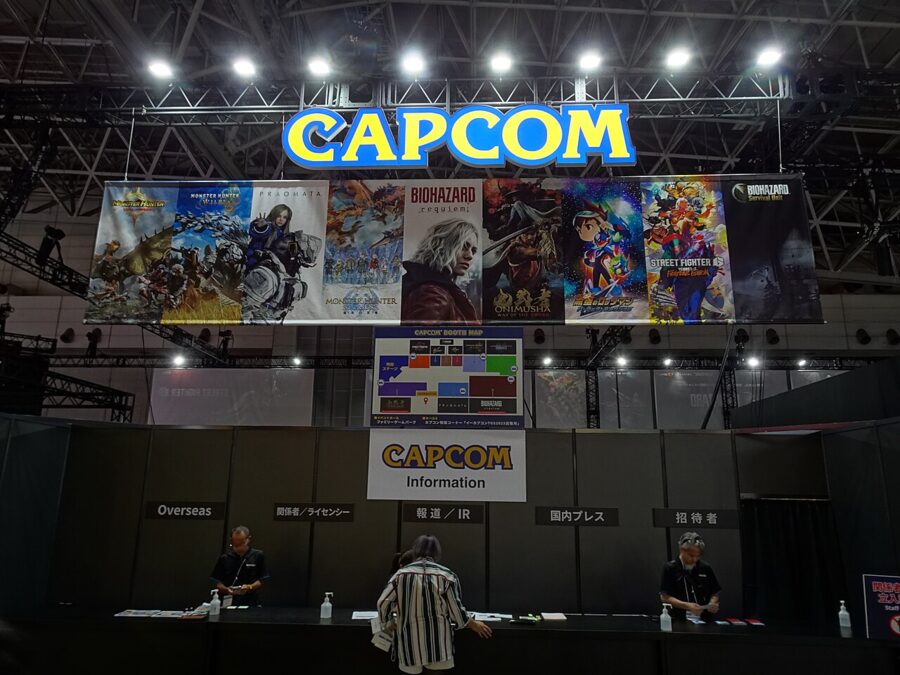
Halls 1-8 held the large publishers and platform holders in 2025, with the main event stage in Hall 1. Many big booths run timed demo reservations on the day, and each booth sets its own rules, so check the exhibitor’s own site or social media the week before. A reservation for a booth in a full capacity area still gets you in at its start time.
Demos of titles rated Z (Japan’s adults-only rating) are for over-18s, with proof of age checked at the booth. Carry your passport all day. Stage shows ban cheering, chanting and jumping, and some booths ban photos and video.

The indie area and the smaller halls
The best hour of my day would be in the indie area. In 2026 it held 292 exhibitors, plus Selected Indie 80, a showcase of 80 games picked from more than 1,500 entries, and the developers are often at their own tables. Lines are shorter, and you may be playing next to the person who made the game.
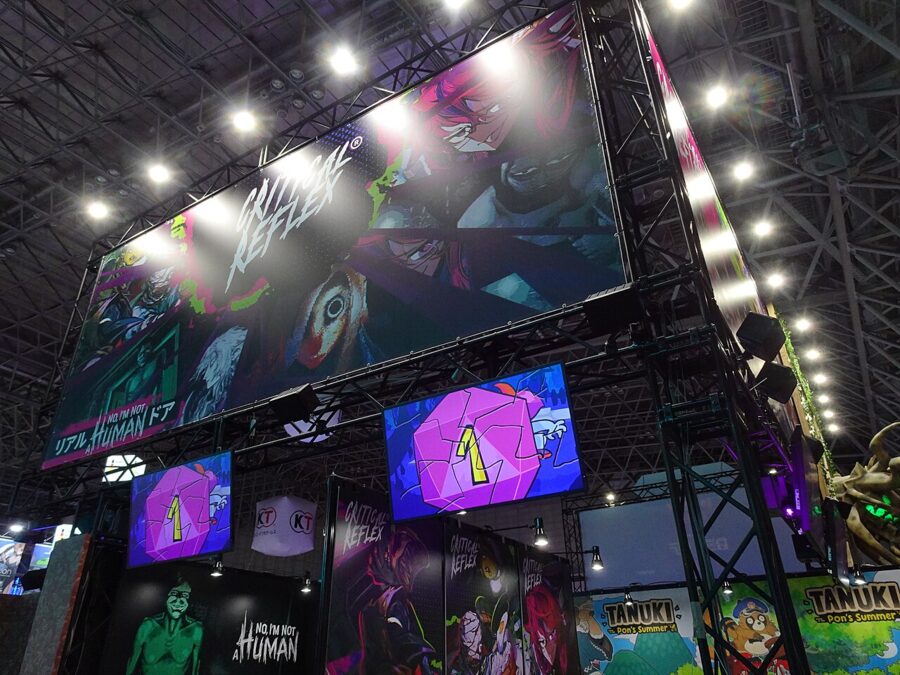

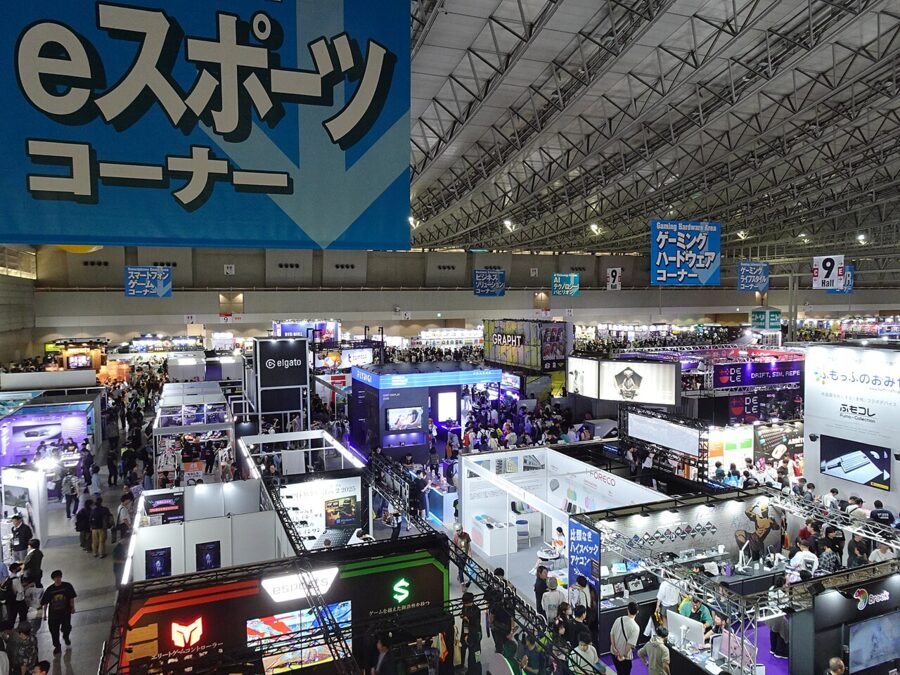
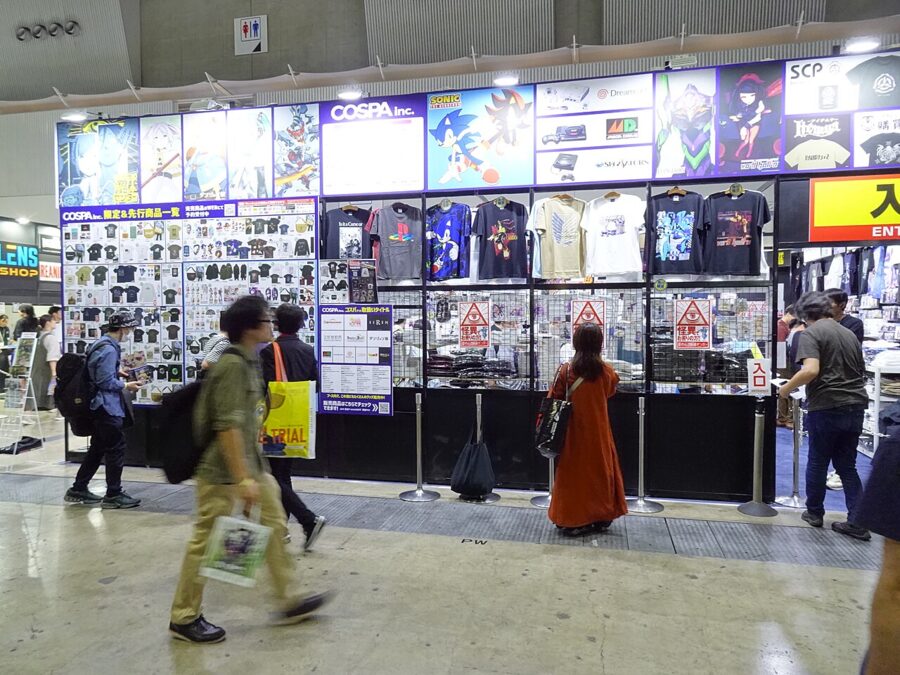
Halls 9-11 are worth a slow walk: gaming hardware, chairs and desks, local government booths, international pavilions and the merchandise sales area. The Game Academy area is where Japan’s game schools show student projects, and it is a quiet place to sit down and play something odd.


Food, water and the rules on bags
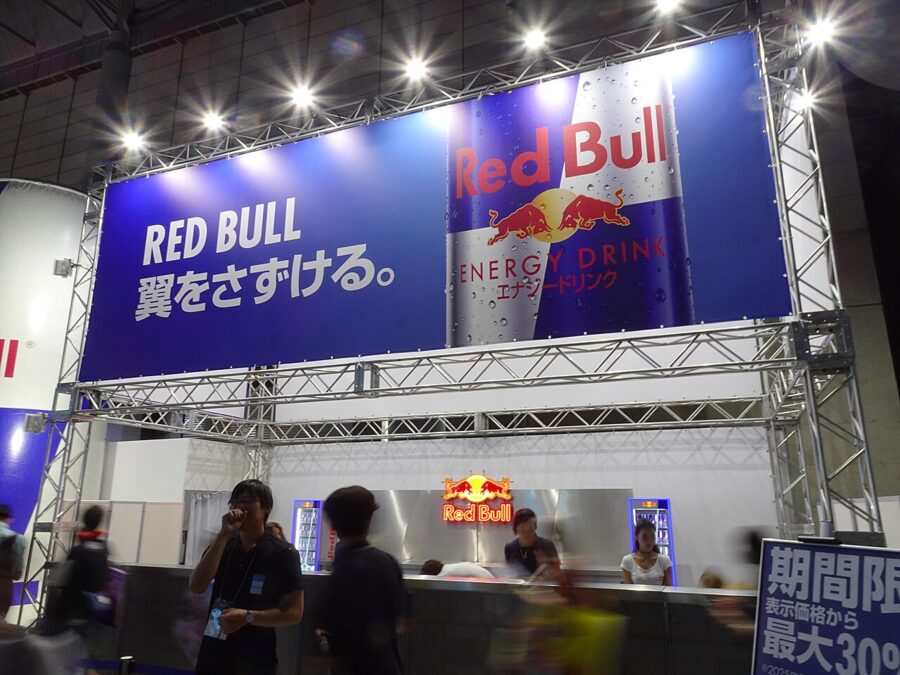
Eating is allowed only in the food courts and restaurants, and you may not carry food in. Water and tea in sealed bottles are allowed, and in a Chiba September you will want two. In 2026 the outdoor food courts were south of Halls 4-6 and Hall 9, with plates from ¥700 to ¥3,000 (about $4 to $19), and last orders at 16:00.

Every bag is checked, on every entry. Wheeled bags, suitcases and strollers are banned inside, and so are selfie sticks of any length, folding chairs, tripods and anything over 50 cm, cosplay props included. Coin lockers at the Central Entrance and in front of several halls cost ¥400 to ¥700 (about $3 to $4) a day and take Suica and credit cards.
Bring a power bank, because tethering from phones and mobile routers is banned in Halls 1-11 and the free Wi-Fi (Messe_Free_Wi-Fi) is shared by thousands. There is a Seven Bank ATM at the Central Entrance. Smoking is only in the marked smoking areas.
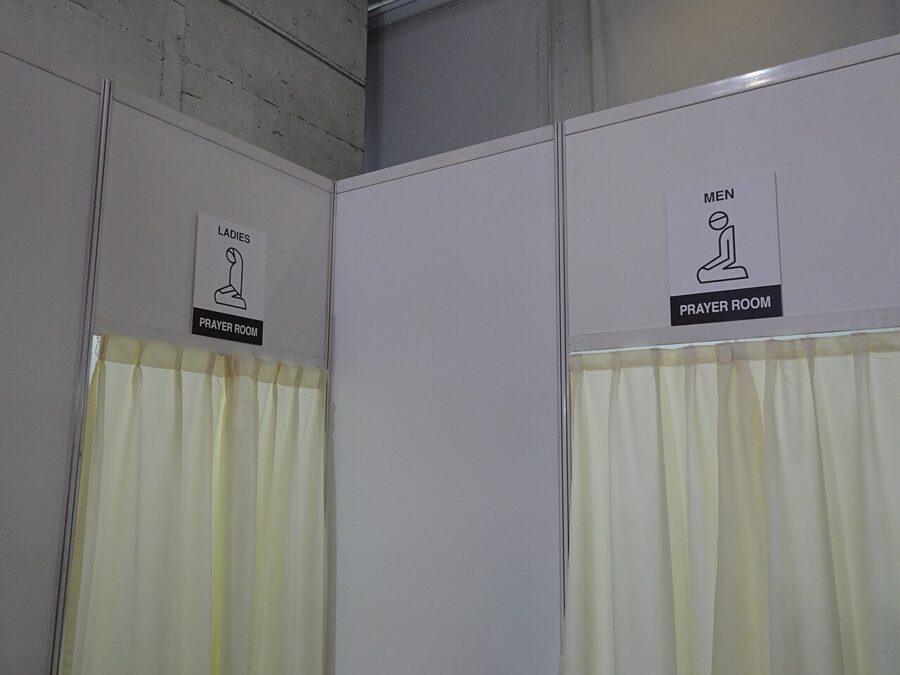

Bringing children
The Family Game Park is a separate, free area for children up to junior high age and their guardians, held in 2026 at TKP Tokyo Bay Makuhari Hall, a 10-minute walk from Kaihin-Makuhari Station. It had age-appropriate demos, workshops on game jobs and a kids’ stage. Anyone 13 or over who moves on to the main halls needs a ticket, and that entry opened at 10:30.
Where to stay: Makuhari or Tokyo
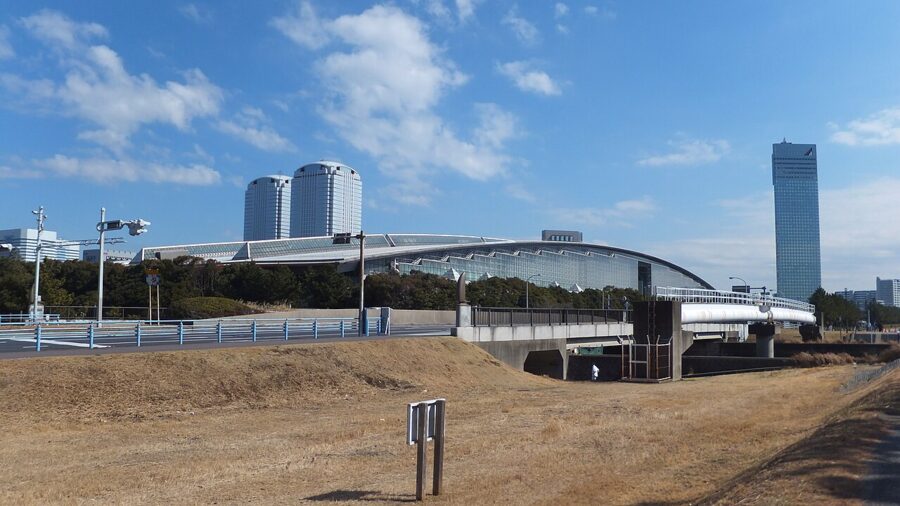

Makuhari has a short list of hotels close to the halls. Makuhari Messe’s official list (as of November 2026) has Hotel Springs Makuhari and Hotel Shuranza Makuhari Bay two minutes from Kaihin-Makuhari Station, KOKO Hotel Premier Tokyo Bay Makuhari one minute, Hotel Green Tower Makuhari, Hotel Francs and Hotel The Manhattan three minutes, and Hotel New Otani Makuhari five. APA Hotel and Resort Tokyo Bay Makuhari is seven minutes away, and JR-East Hotel Mets Premier Makuharitoyosuna is one minute from Makuhari-Toyosuna Station.
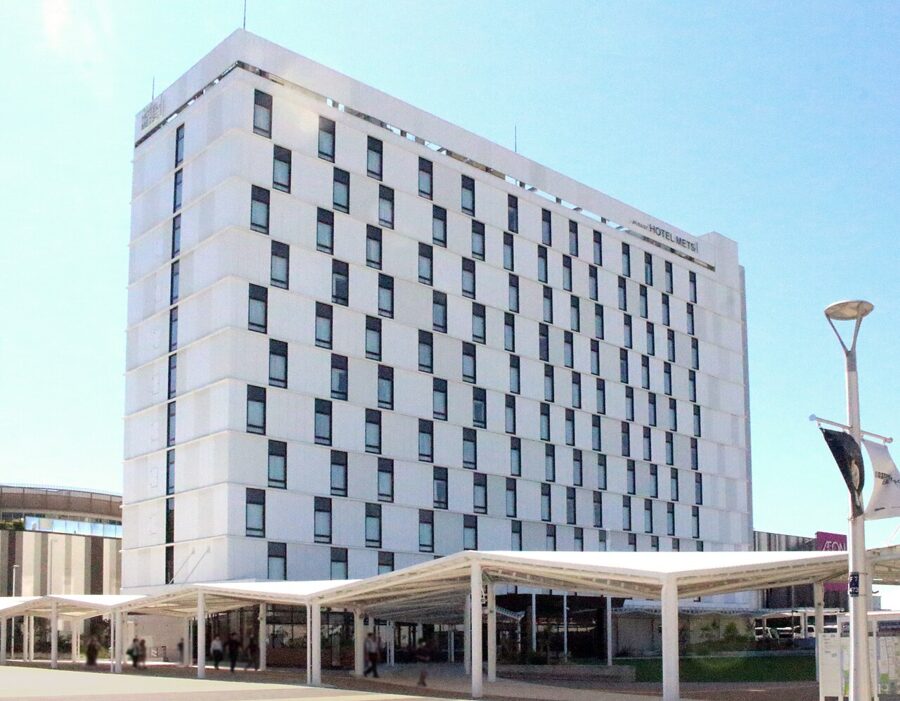

Stay in Makuhari if you have a Fast Ticket, are going on more than one public day, or are cosplaying with an early changing slot. You can be in the Fast lane at first train, and you can drop your shopping at the hotel at lunch. The airport buses also stop at most of these hotels.
Stay in Tokyo if TGS is one day of a longer trip. Pick a hotel near Tokyo Station or Hatchobori, one stop up the Keiyo Line, and the venue is a single train away. Akihabara works too, with one change, and puts the evening’s game shopping on your doorstep.
Either way, book a free-cancellation rate as soon as the dates are confirmed. Then move to a better rate once you know your ticket day.
Pairing Tokyo Game Show with a September trip
Give TGS one or two days and build the rest around game and anime shopping in Tokyo. The two places that matter are Akihabara and Nakano, 19 minutes apart by train for ¥253 (about $2).
Akihabara
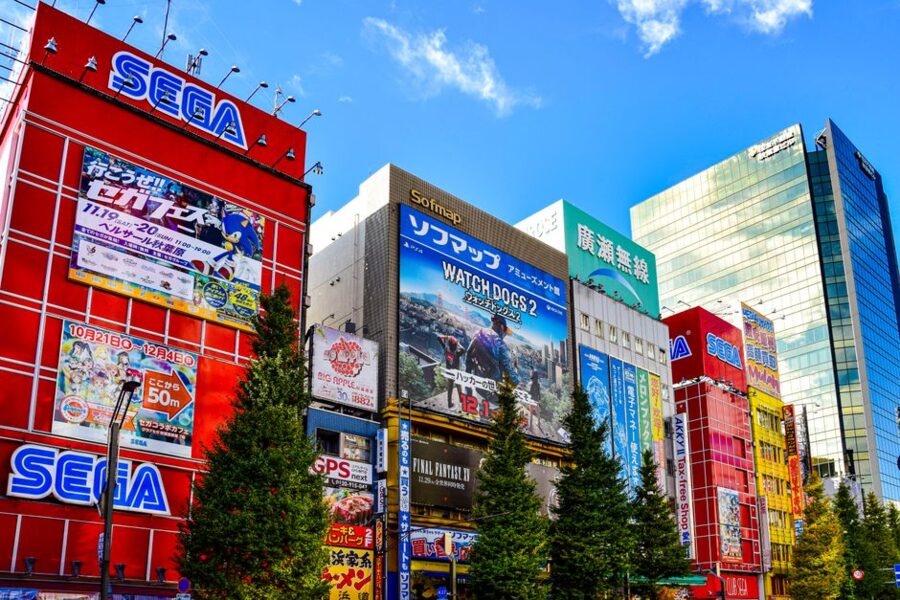
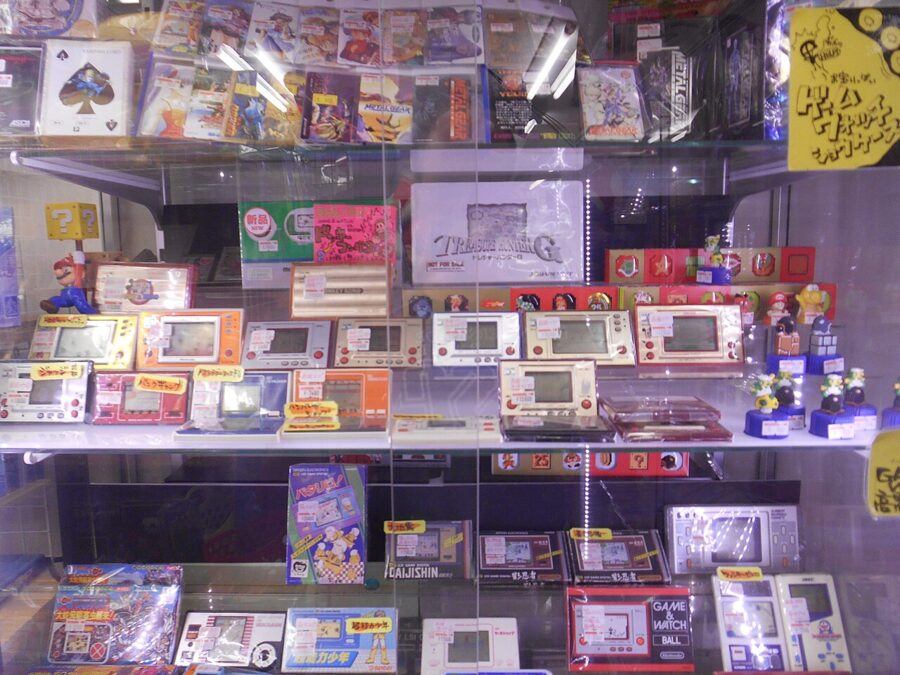
Akihabara is the center of Tokyo’s game shopping: arcades, new and used games, figures and retro hardware. Super Potato, the retro game shop, keeps its Akihabara branch alongside branches in Osaka, Nagoya and Ikebukuro, and it is the place to see shelves of boxed Famicom games. Go on a weekday afternoon, and save the weekend for the TGS halls.

Nakano Broadway
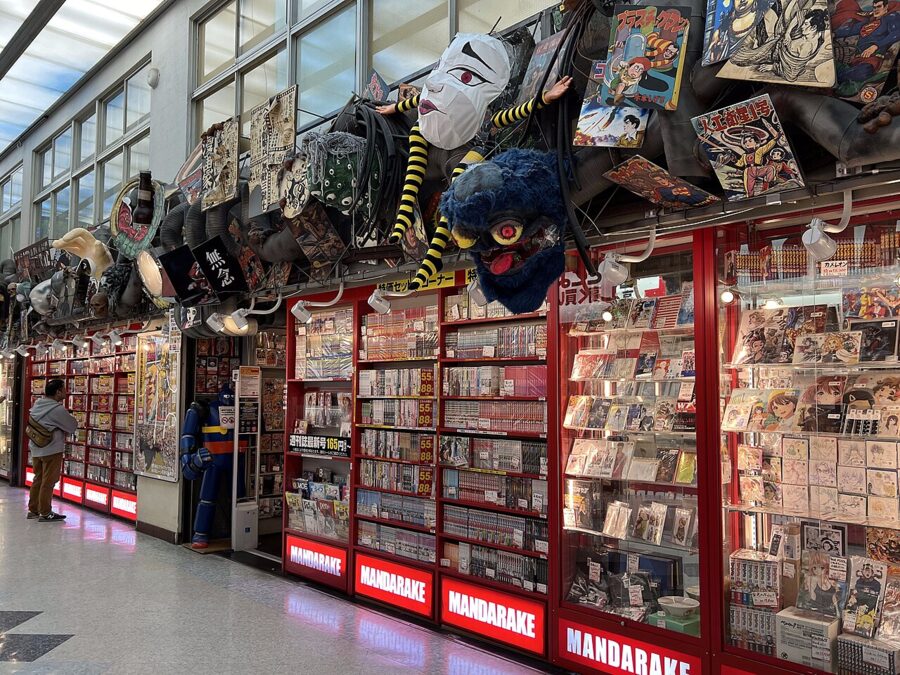
Nakano Broadway opened in 1966 as shops below and apartments above, a few minutes’ walk north of Nakano Station on the JR Chuo Line. Its upper floors are packed with collectors’ shops. Mandarake’s Nakano store, five minutes from Nakano Station’s north exit, is spread across more than 30 small specialist shops on four floors, open 12:00 to 20:00 every day (as of November 2026).
September weather and typhoons
September in Tokyo is warm, humid and wet. Japan Meteorological Agency averages for 1991-2020 give an average high of 27.5°C (82°F), a low of 20.3°C (69°F) and 224.9 mm (8.9 in) of rain, more than in August. The halls are air-conditioned and the lines outside are not, so bring a hat and water for the morning queue.
Typhoons are the real risk. The agency counted three typhoons approaching Japan in September 2026 and six in September 2022, and one of the 2026 storms closed the final day of TGS. Keep one day of your trip open after the show, and check the TGS site and JR East’s service information the night before.
If your dates are flexible and TGS is optional, the best time to visit Japan for weather is later in autumn. If TGS is the reason for the trip, September is the price of it, and a spare day is the insurance.
Mark the July sale day, at noon Japan time, in your calendar today. The flights, the room and the Keiyo Line all fit around that one noon.