
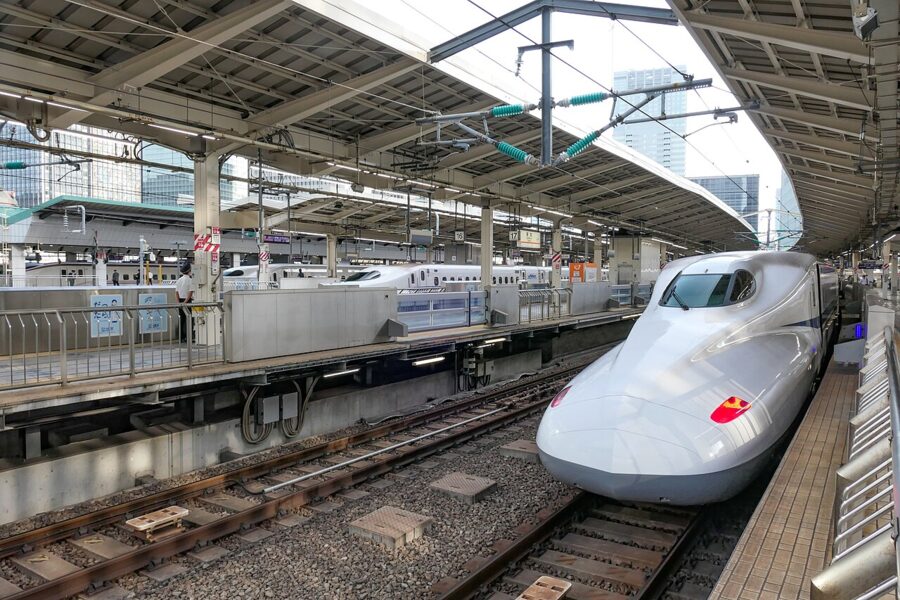
A 7-day Japan Rail Pass costs ¥50,000 (about $335), and the classic Tokyo, Kyoto, Osaka loop uses less than ¥30,000 (about $200) of it. That gap is the whole argument. Since the October 2023 price rise, the pass pays for itself only on trips that cover serious distance, and most first trips do not.
It can still be a very good deal. Stack Kanazawa, Kyoto and Hiroshima into one week out of Tokyo, finish with a run north to Sendai, and the pass comes out ahead. Pick the wrong trip and you have paid ¥20,000 (about $135) for the privilege of not queuing at ticket machines.
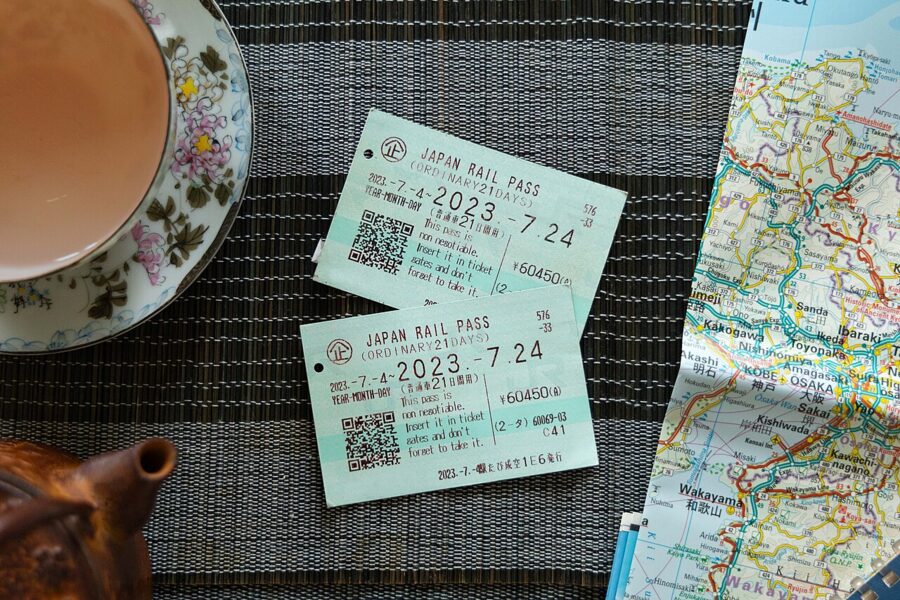

Prices and fares below are as of November 2026, from the JR Group and the rail operators, at about ¥150 to the dollar. Fares are adult, one way, normal season, unless I say otherwise. My short version: price your actual train legs first, then compare them with the pass and with the regional passes further down. That takes ten minutes and saves most people money.
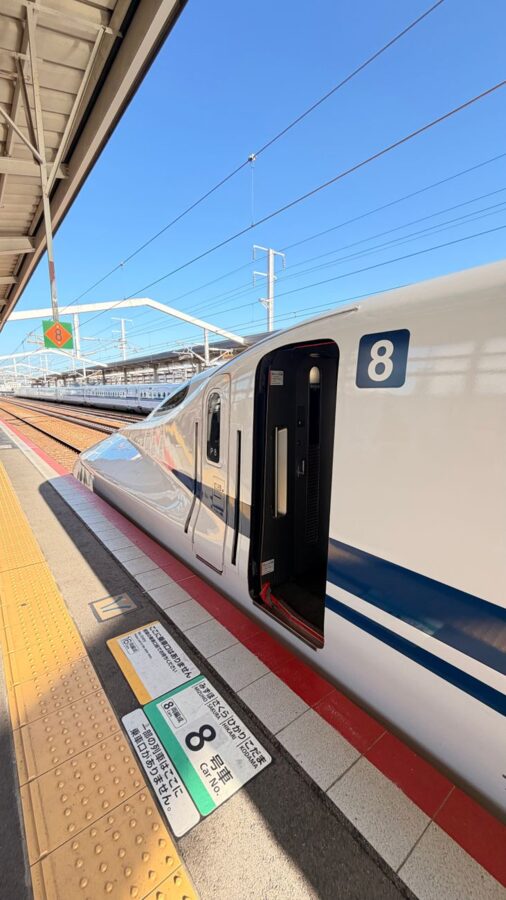
On this page
What the pass covers, and what it does not
The Japan Rail Pass is a joint product of the six JR Group companies, from JR Hokkaido down to JR Kyushu. For 7, 14 or 21 consecutive days it covers JR Shinkansen, limited express, express, rapid and local trains across the country, plus seat reservations at no extra charge. The JR network runs past 19,000 km of track, so “most trains in Japan” is not far off, as long as they are JR trains.
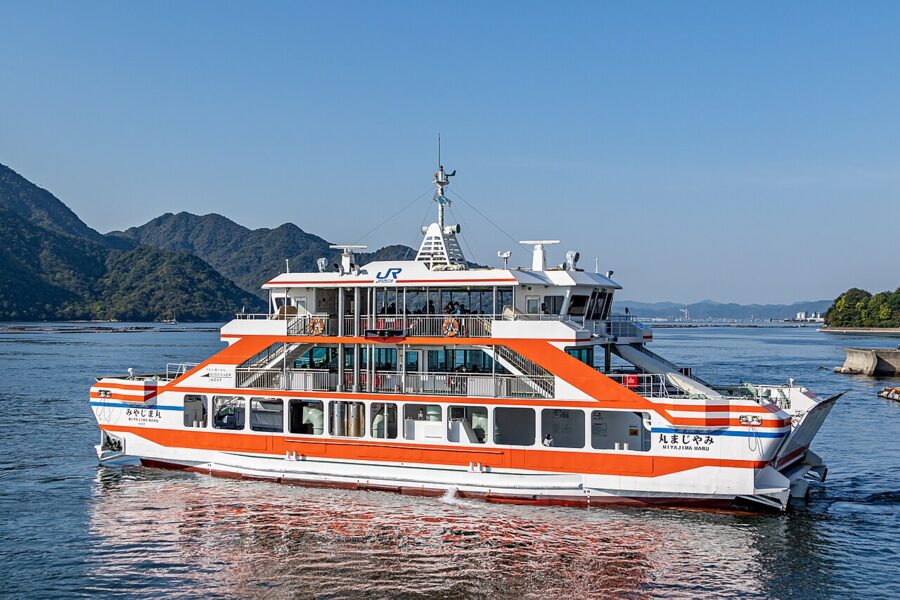
A few non-train extras are in. The Tokyo Monorail between Haneda Airport and Hamamatsucho is covered, which makes it the pass holder’s easy way into the city from Haneda. So are local routes of the JR Bus companies (not their highway buses) and the JR West ferry from Miyajimaguchi to Miyajima. The island charges its own ¥100 (about $1) visitor tax on top.

A few short stretches of former JR line are also covered when you ride straight through: Aomori to Hachinohe on the Aoimori Railway, Kanazawa to Tsubata on the IR Ishikawa Railway, Toyama to Takaoka on the Ainokaze Toyama Railway and Echizen-Hanando to Fukui on the Hapi-Line Fukui. Get off at an intermediate station on any of them and you pay the fare.
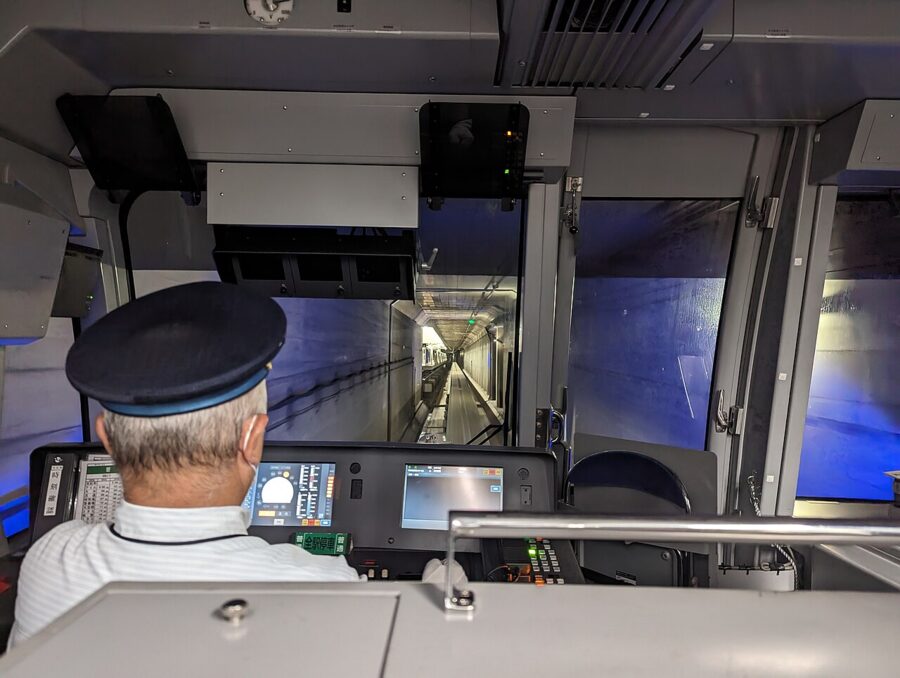
Nozomi and Mizuho: the supplement ticket
The fastest trains on the Tokaido, Sanyo and Kyushu Shinkansen, the Nozomi and the Mizuho, are excluded. That means no seat of any kind on them, reserved or non-reserved, on the pass alone. You ride the Hikari, Sakura, Kodama and Tsubame instead, which use the same tracks and the same platforms and are slower because they stop more.
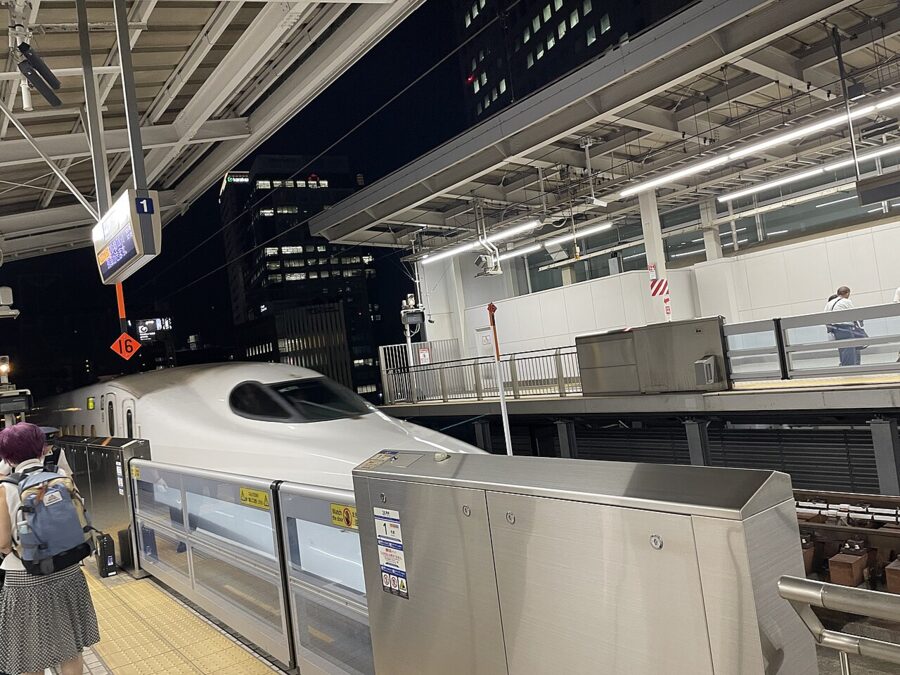

Since October 2023 there has been a way in. Pass holders can buy a “NOZOMI MIZUHO Ticket”, sold only to them, for each Nozomi or Mizuho journey. Prices as of November 2026:
| Section | Nozomi/Mizuho ticket |
|---|---|
| Tokyo to Nagoya | ¥4,180 (about $28) |
| Tokyo to Kyoto or Shin-Osaka | ¥4,960 (about $33) |
| Tokyo to Hiroshima | ¥6,500 (about $43) |
| Shin-Osaka to Hakata | ¥4,960 |
| Hakata to Kagoshima-Chuo | ¥5,150 (about $34) |
The price is the same for a Green Car seat, a reserved ordinary seat or a non-reserved one, but an ordinary-pass holder can only buy ordinary seats. You buy it at a JR reserved-seat ticket machine or ticket office from one month before the day of travel, and a reserved one is valid for that train only. Get off early and the rest of the ticket is void.
Is it worth it? On Tokyo to Kyoto the Hikari takes roughly 25 minutes longer than a Nozomi, so ¥4,960 buys you less than half an hour. I would skip it on the Tokaido and pay it on Tokyo to Hiroshima, where the pass-only trip usually means changing trains at Shin-Osaka or Okayama.
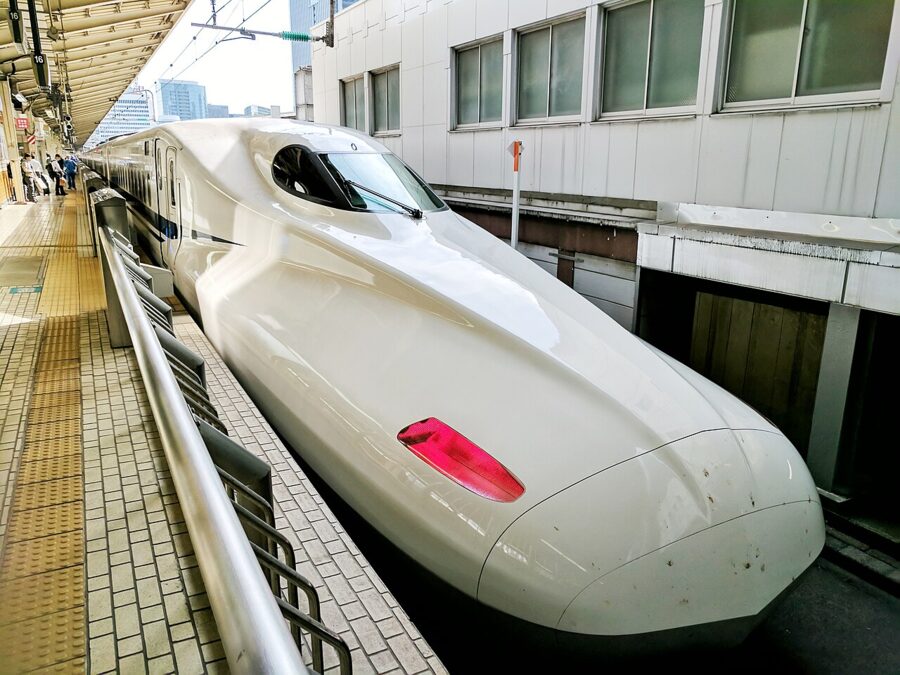

What is never covered
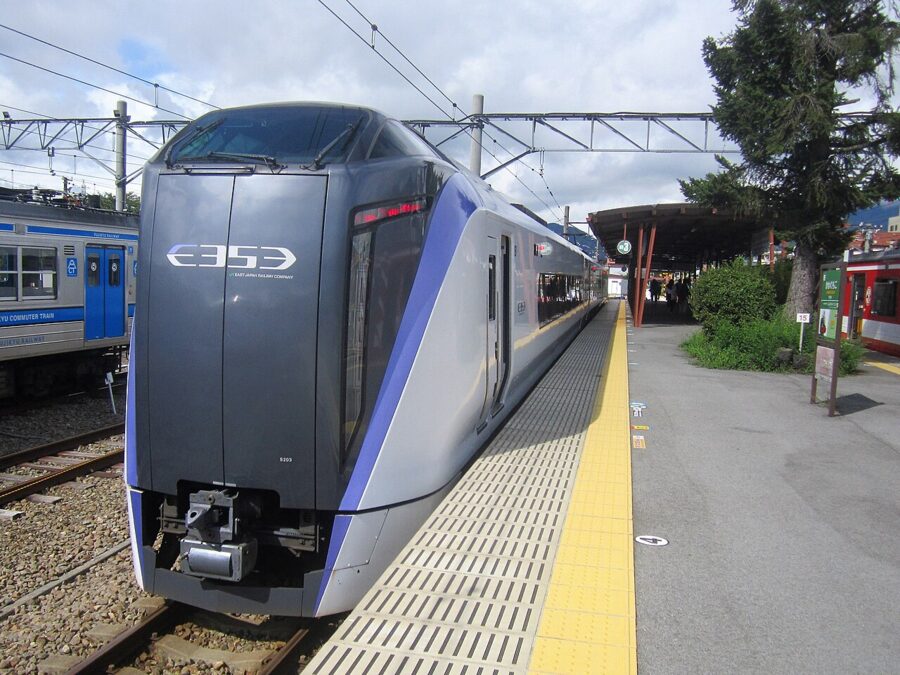
Private railways are the big one. The Tokyo Metro and Toei subways, Odakyu’s line to Hakone, the Keisei Skyliner from Narita, the Kintetsu and Nankai lines in Kansai: all charge their own fares. Some JR trains run onto private track, and you pay for that section. The Nikko and Kinugawa limited expresses from Shinjuku need a fare from Kurihashi onward on Tobu Railway, and the Fuji Excursion needs one from Otsuki to Kawaguchiko on the Fujikyu line.

On the trains themselves, the pass will not pay for Gran Class on the northern Shinkansen lines, private compartments, sleeping cars, “liner” commuter trains or the paid “A-Seat” cars around Osaka. Tokaido Shinkansen family cars, S Work business cars and the TRAIN DESK cars up north are excluded too. With an ordinary pass, a Green Car seat costs the full Green and limited express charge.
Prices as of November 2026, and the 2023 and 2026 rises
The pass comes in two classes and three lengths, and since October 1, 2026 there are two price lists. The official online store, run by the JR Group, kept its prices frozen. Overseas travel agencies selling paper or e-ticket exchange orders went up by about 6%.
| Pass | Official site (online) | Overseas agency |
|---|---|---|
| 7-day ordinary | ¥50,000 (about $335) | ¥53,000 (about $355) |
| 14-day ordinary | ¥80,000 (about $535) | ¥84,000 (about $560) |
| 21-day ordinary | ¥100,000 (about $665) | ¥105,000 (about $700) |
| 7-day Green | ¥70,000 (about $465) | ¥74,000 (about $495) |
| 14-day Green | ¥110,000 (about $735) | ¥116,000 (about $775) |
| 21-day Green | ¥140,000 (about $935) | ¥147,000 (about $980) |
Children aged 6 to 11 pay half. The JR Group announced the agency rise on April 9, 2026 and said the online freeze is “for a limited time”, with an end date to be announced. If you are going to buy a pass, buy it at japanrailpass.net: it is cheaper, and only official-site buyers can reserve seats before they land.
The bigger jump came on October 1, 2023, when the 7-day ordinary pass went from ¥29,650 to ¥50,000 (about $200 to $335 at today’s rate), roughly 70% in one go. Most “is it worth it” advice still floating around was written for the old price. At ¥29,650, one Tokyo to Osaka round trip nearly paid for a week. At ¥50,000 it pays for barely three-fifths of one.

Is the Green pass worth it?
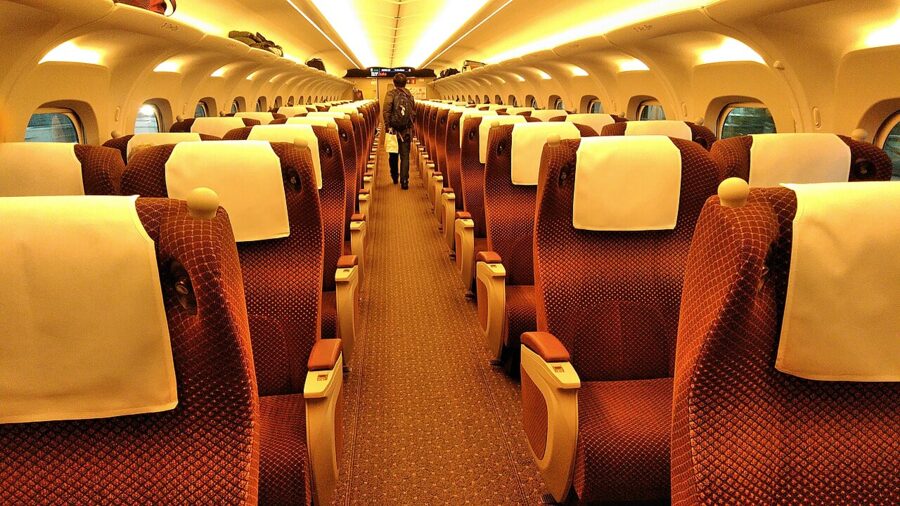
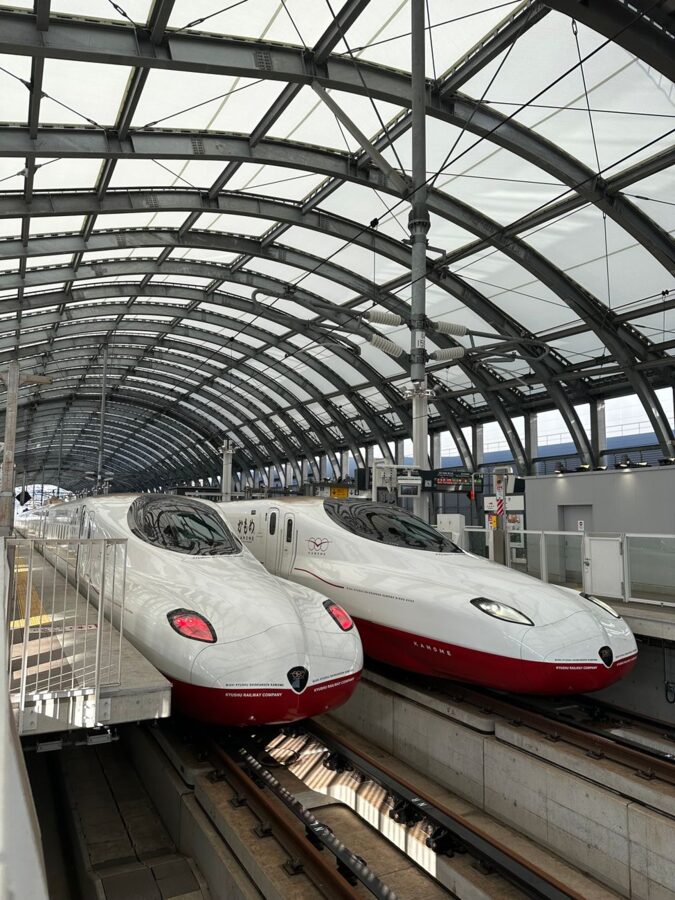
The Green pass costs ¥20,000 (about $135) more for 7 days. On Tokyo to Shin-Osaka the single-ticket Green premium is about ¥4,900 (about $33) each way, so you would need four or five long Green rides in a week to recover it. Most Hikari and Kodama trains on the Sanyo line west of Shin-Osaka have no Green Car at all, and neither does the Nishi Kyushu Shinkansen.
Buy Green for comfort, not savings, and only if your route is mostly the Tokaido and the lines north of Tokyo, where nearly every train has a Green Car.
When it pays: worked fares for real trips
Here are the single fares that decide most trips, all for a reserved ordinary seat on a Nozomi, as of November 2026. The Hikari costs ¥320 (about $2) less on Tokyo to Kyoto. Expect ¥200 (about $1.30) more on busy dates, ¥400 (about $2.70) more at Golden Week, Obon and New Year, and ¥200 less on quiet weekdays.
| Trip | Single fares | Total | 7-day pass | Verdict |
|---|---|---|---|---|
| Tokyo, Kyoto, Osaka and back | ¥14,170 + under ¥1,000 + ¥14,720 | under ¥30,000 (about $200) | ¥50,000 | Skip the pass |
| Tokyo to Hiroshima and back | ¥19,760 + ¥19,760 | ¥39,520 (about $265) | ¥50,000 | Skip the pass |
| Tokyo, Kyoto, Hiroshima, Tokyo | ¥14,170 + ¥10,950 + ¥19,760, plus locals | about ¥45,000 to ¥48,000 (about $300 to $320) | ¥50,000 | Close; see below |
| A week in Tokyo | Short JR hops | far below ¥10,000 (about $67) | ¥50,000 | Skip the pass |
Tokyo, Kyoto, Osaka and back
Tokyo to Kyoto on a Nozomi is ¥14,170 (about $95). Kyoto to Osaka on a JR Special Rapid is a local fare well under ¥1,000 (about $7). Shin-Osaka back to Tokyo is ¥14,720 (about $98). Add a day trip to Nara on the JR Nara Line and you are still at only about ¥31,000 (about $205).
The 7-day pass would cost ¥50,000 and lock you into the Hikari unless you add ¥4,960 per Nozomi ride. Buy single tickets. If you want unlimited JR rides around Kansai in the middle, the Kansai Mini Pass below covers Kyoto, Osaka, Kobe and Nara for 3 days at ¥3,000 (about $20).
Tokyo to Hiroshima and back
A Nozomi from Tokyo to Hiroshima is ¥19,760 (about $130) one way and takes about 4 hours. Two of them make ¥39,520, still ¥10,480 (about $70) short of the pass. On the pass alone you would usually ride a Hikari and change at Shin-Osaka or Okayama, which adds roughly half an hour or more, or pay ¥6,500 each way for the Nozomi ticket. With two of those, the pass trip costs ¥63,000 (about $420).
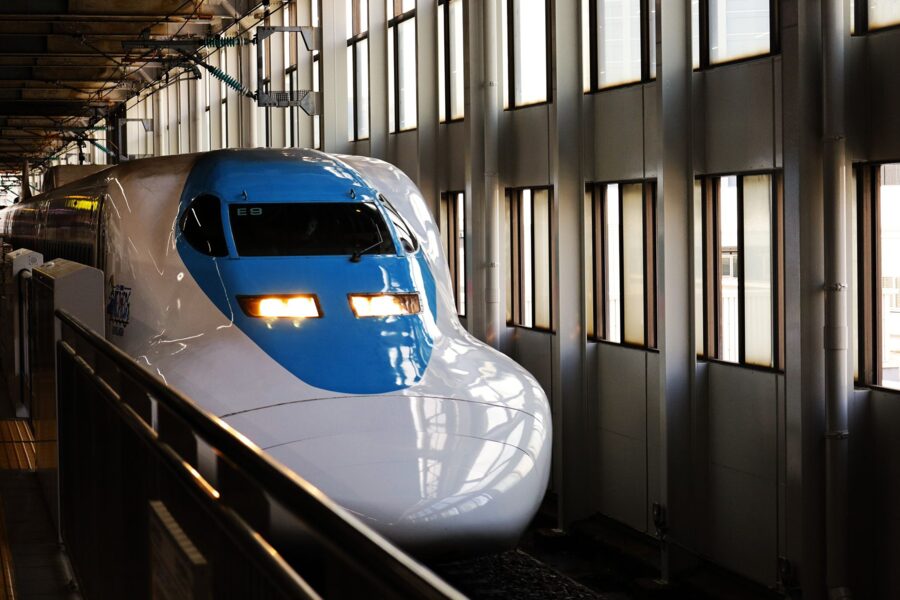
Add Kyoto on the way and it gets interesting. Tokyo to Kyoto (¥14,170), Shin-Osaka to Hiroshima (¥10,950, about $73) and Hiroshima back to Tokyo (¥19,760) come to ¥44,880 (about $300). A local ride or two, the Miyajima ferry and a JR day trip to Nara push that close to ¥48,000. That is break-even territory, and the pass would make the Shinkansen legs slower unless you pay for Nozomi tickets.
For that exact trip I would skip the national pass and do this instead: single Nozomi tickets Tokyo to Kyoto and Shin-Osaka to Tokyo, plus a 5-day Kansai-Hiroshima Area Pass at ¥17,000 (about $115) for everything in between, as long as the middle of the trip fits into five days. Total ¥45,890 (about $305), with Nozomi on the long legs and the Hiroshima Shinkansen, the Haruka airport train and the Miyajima ferry in the middle. It is cheaper than the pass and faster.
A week in Tokyo
A 7-day pass means riding about ¥7,100 (about $48) of JR trains every single day. Most rides around central Tokyo on JR cost a few hundred yen, and the Tokyo Metro and Toei subways, which you will use constantly, are not covered at all. Even with the Tokyo Monorail from Haneda and a Narita Express run each way, a Tokyo week does not come close.
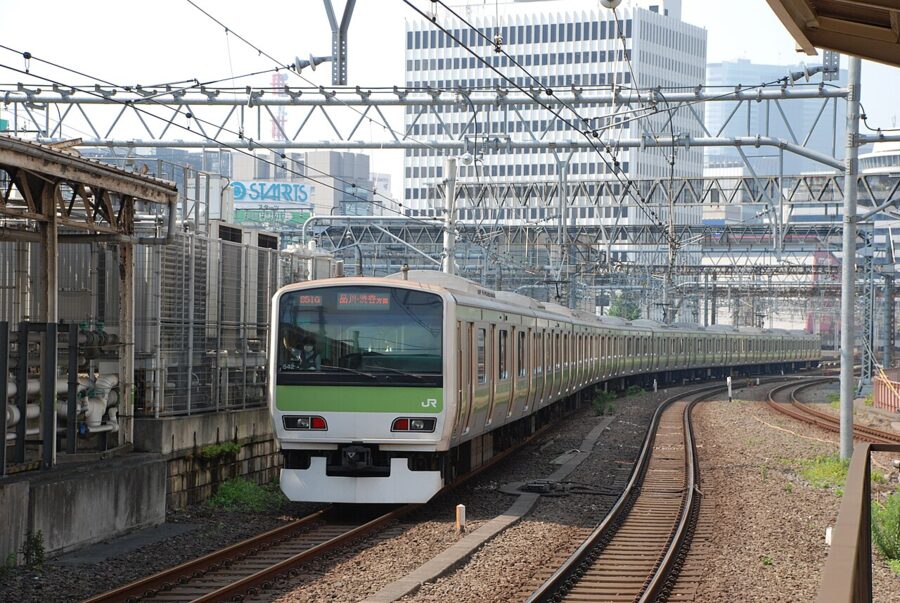
Day trips do not save it either. Kamakura and Yokohama are cheap on JR, and Hakone and most of the Fuji Five Lakes route are on private lines.
Use a Suica or PASMO card instead, which works on JR and the subways alike. Yes, Suica works on JR lines; it just has nothing to do with the pass. JR is still how you reach Akihabara on the Yamanote Line, and Tokyo Game Show at Makuhari Messe is a JR Keiyo Line ride to Kaihin-Makuhari; both cost pocket change on a Suica.
The trips where it does pay
The pass wins when two or more long legs stack up in one week, or when a 14-day trip covers both ends of the country. Tokyo to Hiroshima and back is already ¥39,520. Add a Hayabusa run north to Sendai or Morioka and a Hokuriku Shinkansen hop to Kanazawa, and a 7-day pass is well into profit. On a two-week loop that also reaches Hakodate or Kagoshima, the 14-day pass at ¥80,000 usually comes out ahead of single tickets.
The test I use: list every JR leg, price each one with the fares above or a JR fare search, and add them up. If the total is within ¥5,000 (about $33) of the pass, buy the pass for the freedom to change plans. If it is further below, buy tickets.
How to buy, collect and activate it
There are two ways to buy. The official site (JAPAN RAIL PASS Reservation, linked from japanrailpass.net) sells the pass online at the lower price, takes card payment in yen, and opens 04:00 to 23:30 Japan time. Overseas JR-designated agencies such as JTB, Nippon Travel Agency and Japan Airlines sell an exchange order at the higher price, which you swap for the pass in Japan.
Online you need your passport number and a credit card in the buyer’s name, and you can buy for up to six companions travelling with you. An exchange order must be turned in within three months of issue, and you can exchange it from one month before your start date. Either way the start date is fixed once the pass is issued, and the validity cannot be extended, even if a typhoon stops the trains.

The passport rule
The pass is for foreign visitors entering Japan as a “Temporary Visitor”, the sightseeing status on most tourist entries. Japanese citizens qualify only if they have lived abroad for 10 or more consecutive years, and must buy through an overseas agency. Students, workers, residents and anyone entering on another status cannot pick up a pass they have already paid for.
The catch is at the airport. If you clear immigration through an automated gate, nobody stamps your passport, and staff at the pass counter need to see the Temporary Visitor stamp or sticker. Go to a staffed lane, or ask an officer for the sticker after the gate. Visit Japan Web handles your immigration and customs details before you fly, but it does not put the sticker in your passport.
Picking it up
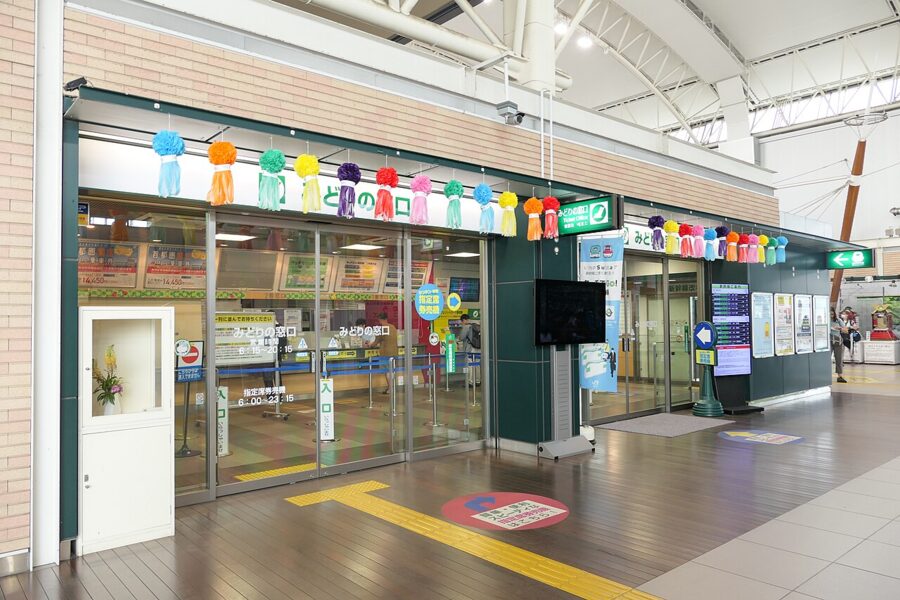
Bring your passport and the reservation number (online) or the exchange order (agency) to a JR pass exchange office, which the big airports and major stations have. Online buyers can also collect the pass at certain reserved-seat ticket machines in the JR East and JR West areas. Collect it before the start date or on any day of its validity.
If you are arriving at Narita or Haneda and heading straight to a hotel, you do not have to collect it at the airport. The pass counters there have queues on busy mornings, and a 7-day pass started on arrival day loses a day to jet lag. Take the Airport Limousine Bus or a train on a single fare, collect the pass in town, and start it the morning you leave Tokyo.

Using it day to day
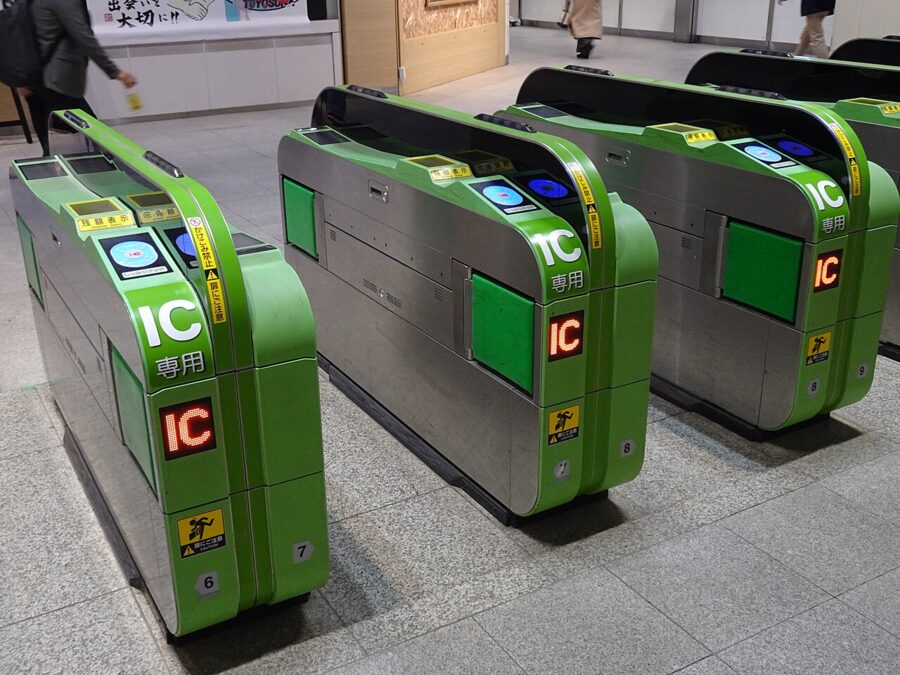
Feed the pass into the automatic gate like any ticket, or show it at the staffed gate. Carry your passport whenever you use it, since conductors and station staff can ask for it. If you lose the pass, it is gone: JR does not reissue lost or stolen passes.
Refunds are possible only before the start date. Online passes not yet collected can be refunded on the official site until 23:30 the day before the start, with a ¥560 (about $4) fee per pass. An exchanged agency pass loses 10% at a JR counter in Japan.
Reserving seats: online, at machines, at the counter
Seat reservations are free with the pass, and on a busy route you want one. Official-site buyers can book Shinkansen and limited express seats on the same site before arriving, then print the seat tickets at a reserved-seat machine or ticket office. That online booking is the main reason to buy from the official site beyond the price.
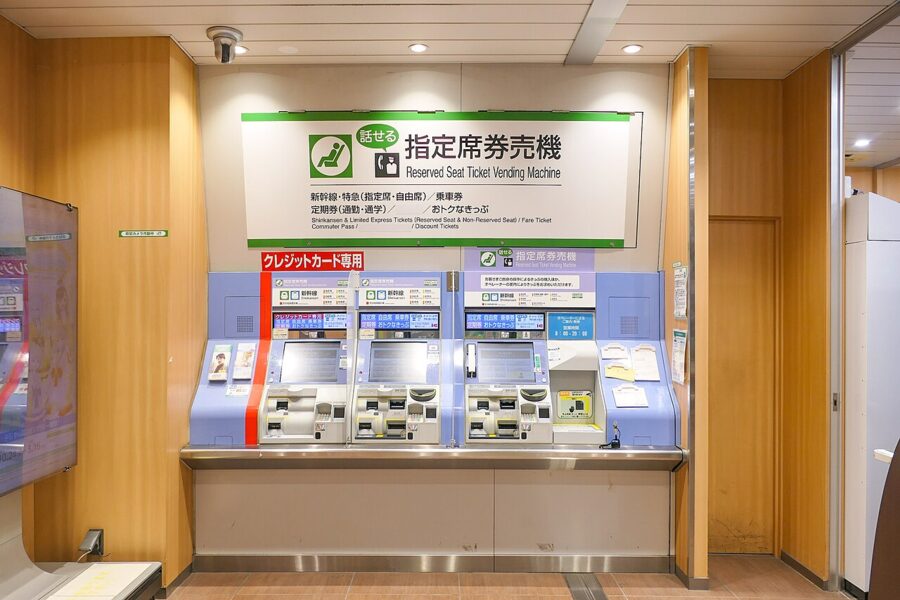
At a machine, scan the QR code on the pass (or type its reservation number), enter your passport number, then pick the train, car type and seat. Machines and ticket offices are open at most from 04:00 to 23:30, and many stations close earlier. If you need to change a seat after printing it, take it to a staffed counter.
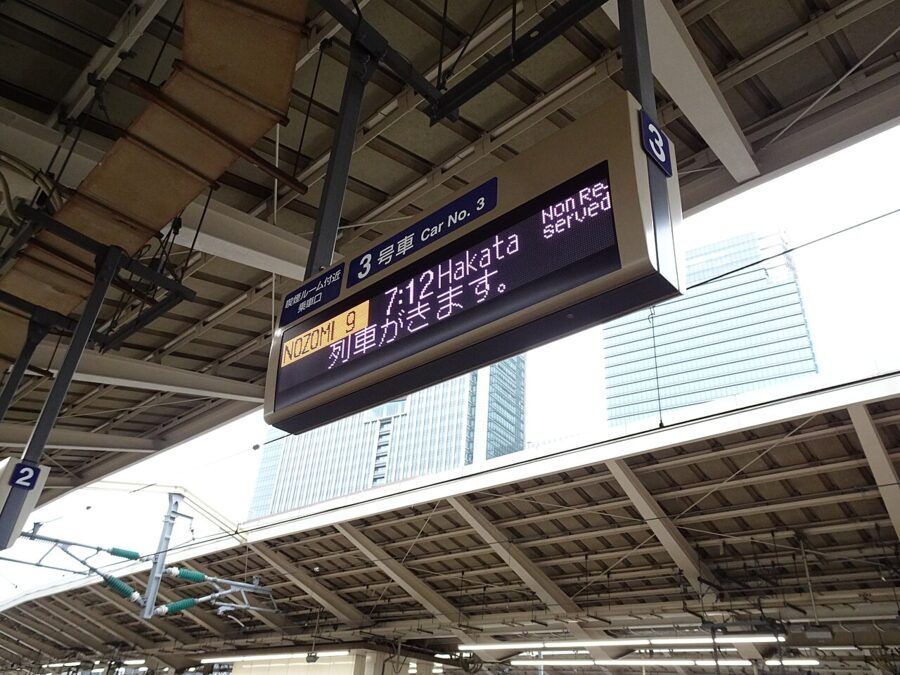
JR puts ordinary reserved seats on sale at 10:00 one month before the travel date, and the same applies to the Nozomi tickets. The JR Group flags four periods when seats are hard to get: May 1 to 6, September 18 to 23, August 7 to 16 and December 29 to January 3. Those are Golden Week, the September holidays, Obon and New Year, the same weeks that shape the best time to visit Japan. In the peak periods every Nozomi seat on the Tokaido and Sanyo lines is reserved-only.

Big suitcases need planning. On the Tokaido, Sanyo and Kyushu Shinkansen, a bag over 160 cm in total dimensions (up to 250 cm) needs a seat booked with an oversized baggage area. Book it with the rest of your reservation, or ship the case ahead by courier.
Regional passes that often beat it
Each JR company sells its own passes for foreign visitors, and for trips that stay in one half of the country they usually win. The JR West passes use the same Temporary Visitor rule as the national pass, so check eligibility on each company’s page before you buy. Prices below are adult, from each company’s site as of November 2026.
| Pass | Days | Price | Best for |
|---|---|---|---|
| JR EAST PASS | 5 or 10 | ¥35,000 or ¥50,000 (about $235 or $335) | Tokyo plus Tohoku, Nagano and Niigata |
| Hokuriku Arch Pass | 7 | ¥35,000 | Tokyo to Kanazawa to Kyoto and Osaka, one way |
| Kansai Mini Pass | 3 | ¥3,000 (about $20) | Kyoto, Osaka, Kobe, Nara on local and rapid trains |
| Kansai WIDE Area Pass | 5 | ¥12,000 (about $80) | Kansai plus Okayama, Takamatsu, Kinosaki Onsen |
| Kansai-Hiroshima Area Pass | 5 | ¥17,000 (about $115) | Kansai and Hiroshima, Miyajima ferry included |
| JR-WEST All Area Pass | 7 | ¥26,000 (about $175) | Kansai to Hakata, Hokuriku and San’in |
| Hokkaido Rail Pass | 5, 7 or 10 | ¥22,000, ¥28,000 or ¥37,000 bought ahead | All of Hokkaido |
| All Kyushu Area Pass | 3, 5 or 7 | ¥22,000, ¥24,000 or ¥26,000 | All of Kyushu, both Shinkansen lines |
JR EAST PASS
In March 2026 JR East replaced its separate Tohoku and Nagano/Niigata passes with a single JR EAST PASS: 5 days for ¥35,000 or 10 days for ¥50,000 (about $335). It covers JR East’s network, which runs from Tokyo north through Tohoku and west into Nagano and Niigata. Sendai, Morioka, Aomori, Akita, the Yamagata and Akita Shinkansen lines, Karuizawa and the ski towns on the Joetsu Shinkansen are all in its patch.
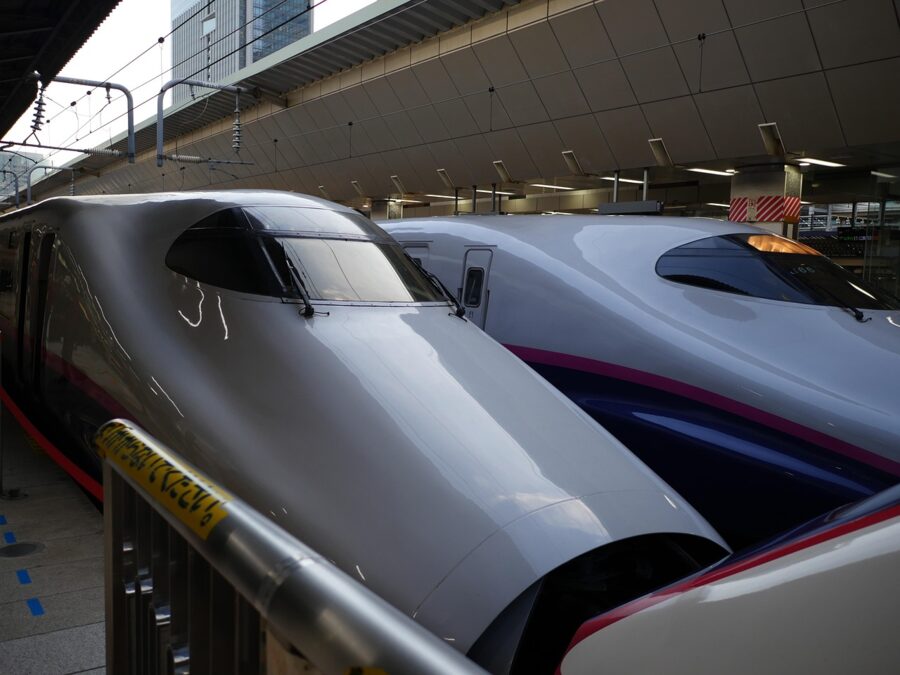
Choose it over the national pass if your trip is Tokyo plus the north and you never go west of Tokyo on the Shinkansen. A Tokyo, Sendai, Aomori, Kakunodate week is exactly its trip.
Hokuriku Arch Pass
This 7-day pass at ¥35,000 (about $235) covers a one-way arc. It runs from Tokyo up the Hokuriku Shinkansen through Nagano, Toyama and Kanazawa to Tsuruga, then the Thunderbird limited express down to Kyoto and Osaka, with the Haruka to Kansai Airport and the Tokyo Monorail at the Tokyo end. Reserved seats on the Hokuriku Shinkansen are included.
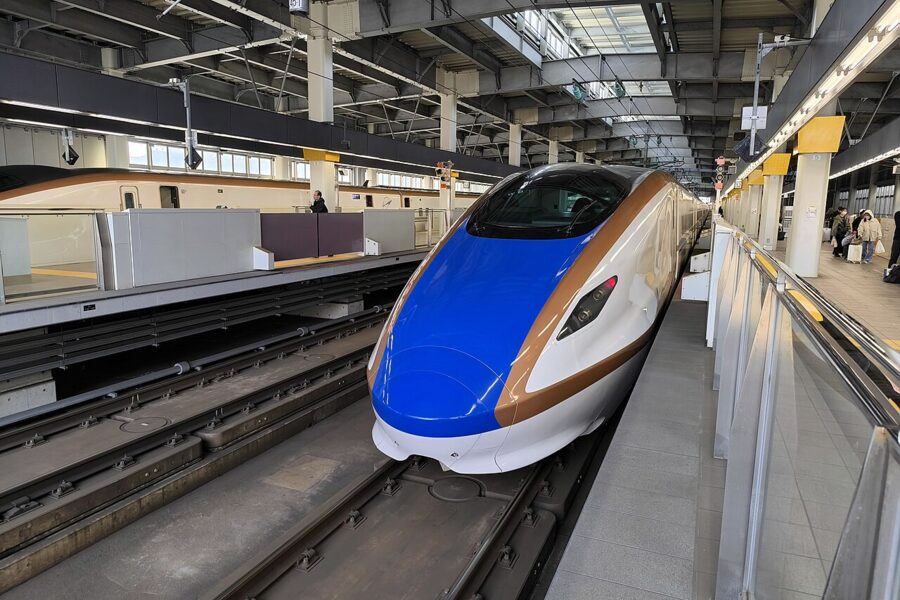

For a first trip that flies into Tokyo and out of Osaka, this is the pass I would look at first. You see Kanazawa on the way, never backtrack, and pay ¥15,000 (about $100) less than the national pass.
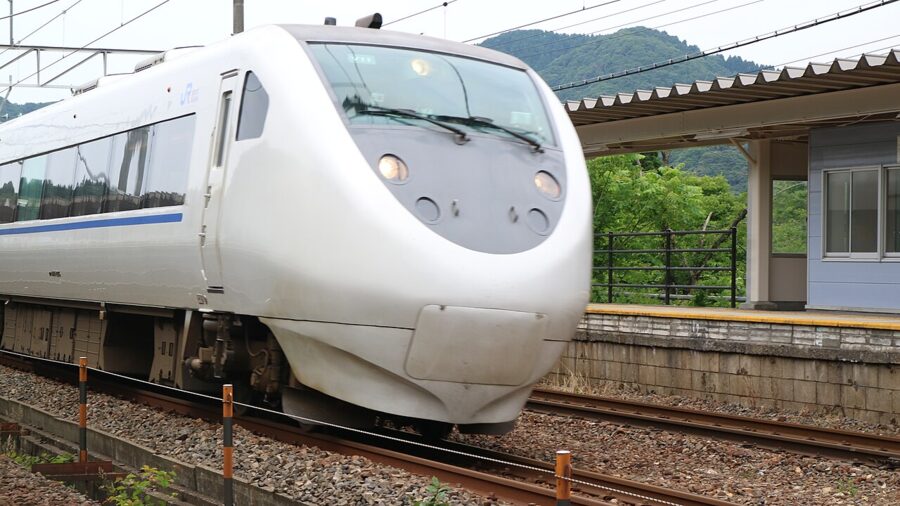

The Kansai and western passes
JR West’s passes cover Kansai and points west. The Kansai Mini Pass (3 days, ¥3,000) is local and rapid trains only around Kyoto, Osaka, Kobe and Nara, and the Haruka airport express needs a separate ticket. The Kansai WIDE Area Pass (5 days, ¥12,000) adds the Sanyo Shinkansen to Okayama and limited expresses to Kinosaki Onsen, a good excuse for a night in a ryokan, and Shirahama.
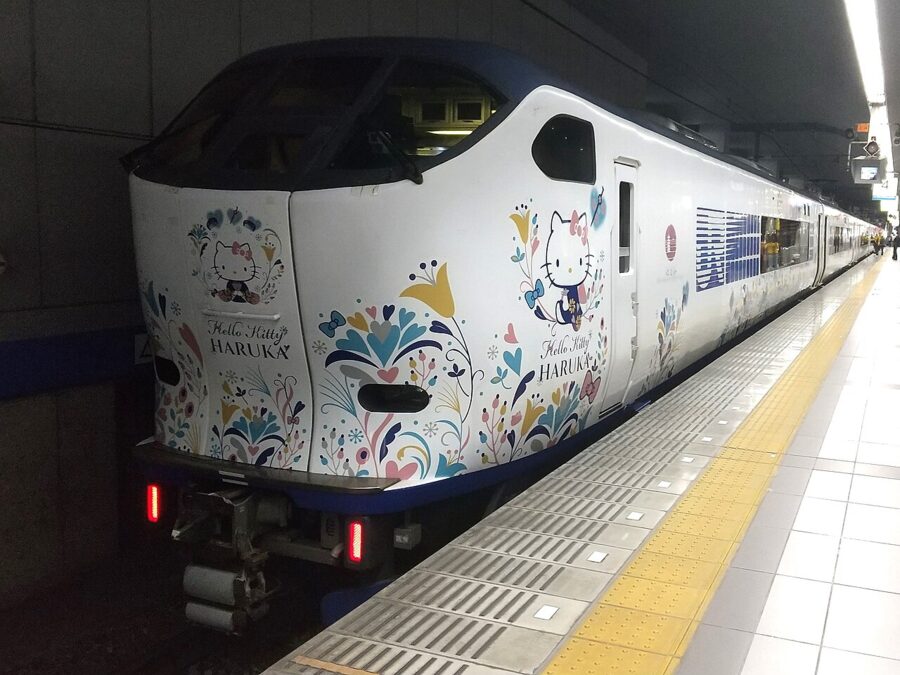

The Kansai-Hiroshima Area Pass (5 days, ¥17,000) runs the Sanyo Shinkansen as far as Hiroshima and includes the Miyajima ferry. The JR-WEST All Area Pass (7 days, ¥26,000) reaches Hakata, the Hokuriku line and the San’in coast. None of them cover the Tokaido Shinkansen to Tokyo, which is why they pair well with single Nozomi tickets.
Hokkaido and Kyushu
JR Hokkaido’s Hokkaido Rail Pass costs ¥22,000 (about $145) for 5 days, ¥28,000 (about $185) for 7 and ¥37,000 (about $245) for 10 when bought before arrival, ¥1,000 (about $7) more at the station. It covers the whole island, from New Chitose Airport and Sapporo out to Hakodate, Asahikawa, Kushiro and Wakkanai. For a Sapporo Snow Festival trip with a side run to Otaru only, the 4-day Sapporo-Furano or Sapporo-Noboribetsu area passes at ¥11,000 (about $73) and ¥10,000 (about $67) are the cheaper fit.
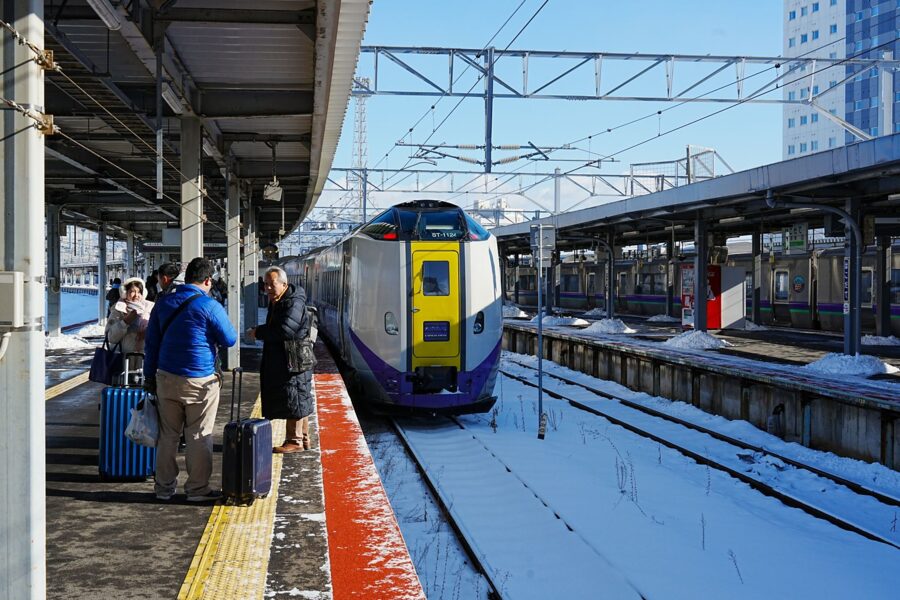
JR Kyushu’s All Kyushu Area Pass costs ¥22,000 for 3 days, ¥24,000 (about $160) for 5 and ¥26,000 for 7 at the listed rate, and covers the Kyushu Shinkansen from Hakata to Kagoshima-Chuo and the Nishi Kyushu Shinkansen to Nagasaki. JR Kyushu sells some passes at a different price on its own online booking site, so check there before buying. A Fukuoka, Nagasaki, Kumamoto, Kagoshima loop fits a 5-day pass well.
Who should skip it
Skip the national pass if your trip is Tokyo only, Tokyo plus Kyoto and Osaka, or Tokyo with one long round trip. Skip it if you will spend most of the week in one region and fly between them, as most Sapporo, Fukuoka and Okinawa trips do. Skip it if you travel slowly; the days are consecutive, and four quiet days in Kyoto burn four days of pass.

Skip it too if you want the Nozomi every time. Each supplement ticket erodes the saving, and the single-ticket Nozomi fare buys you the same seat with no pickup or passport checks. You are not eligible at all if you live in Japan or enter on any status other than Temporary Visitor.
One date to watch: JR Central and JR West will raise Nozomi and Mizuho reserved-seat charges for tickets bought from July 1, 2027. Tokyo to Shin-Osaka goes to ¥15,420 (about $103) and Tokyo to Hiroshima to ¥20,620 (about $137), and Green charges rise for travel from December 15, 2027. Non-reserved seats and the Hikari and Kodama stay as they are. That nudges the sums slightly toward the pass for 2027 trips, but not enough to change the Tokyo, Kyoto, Osaka verdict.
So add up your legs before you add a pass to the cart. If the total clears ¥50,000, buy the pass on the official site and book your seats the same evening. If it does not, book single tickets, add a regional pass for the busy middle of the trip, and keep the ¥20,000.