
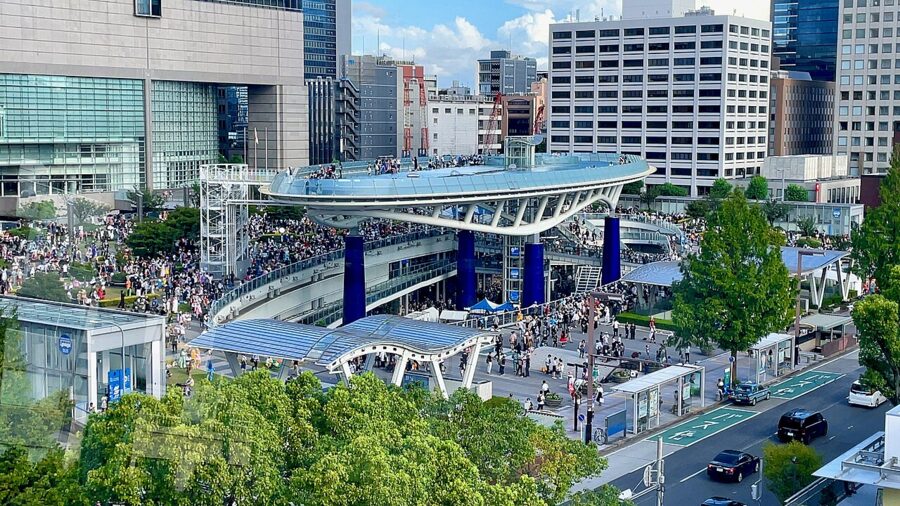
For more than two decades the World Cosplay Summit has been a Nagoya summer event, held when the city’s average daily high is 33°C. The next one, on November 12–14, 2027, lands in a month with an average high of 17°C, and that single change rewrites most of the old advice about going.
The organizers announced the move at the close of the 2026 summit, citing the heat, the wish to welcome more international participants, and the way tourists now travel to Japan. Wigs, armor and foam props in November weather make a different event from the same costumes at 35°C.


On this page
World Cosplay Summit 2027 at a glance
The organizer has fixed the dates and the city and nothing else yet. Treat everything below the first two rows as the 2026 pattern, not a promise.
| Item | 2027 (as of November 2026) | What 2026 looked like |
|---|---|---|
| Dates | Friday November 12 to Sunday November 14, 2027 | Friday July 31 to Sunday August 2, 2026 |
| City | Nagoya and the surrounding Aichi area | Sakae and Osu, central Nagoya |
| Main venue | Not announced | Oasis 21, Sakae |
| Championship | Not announced | Sunday, Aichi Prefectural Arts Theater Main Hall |
| Ticket sales | Not announced | Opened June 6, 2026, 10:00 JST |
| Scale | The organizer is aiming for 100 countries in the long run | 40 countries and regions; about 259,000 visits at Oasis 21 |
The three-day shape has held since 2022: a Friday-evening opening with a red carpet, a Saturday built around the Osu Cosplay Parade, and a Sunday that ends with the World Cosplay Championship final. If 2027 keeps it, arrive on the Thursday and leave on the Monday.

What the summit actually is
The World Cosplay Summit (世界コスプレサミット, shortened to “Kosusami” by Japanese fans) is two things at once. It is a formal international competition, with national teams who have won qualifiers at home. It is also a three-day street event where anyone in costume, with the right ticket, can wander Sakae and Osu and pose for photographs.
It is run by an executive committee that includes the Ministry of Foreign Affairs, Aichi Prefecture, the City of Nagoya and Centrair airport, which is why the governor and the mayor turn up in costume.
The World Cosplay Championship
The championship is the summit’s centerpiece and the only part held indoors with reserved seating. Each country or region sends a two-person team, and every team performs a short stage piece in costumes based on a Japanese anime, manga or game. Judges score costume quality, performance and how well the team recreates the world of the work.
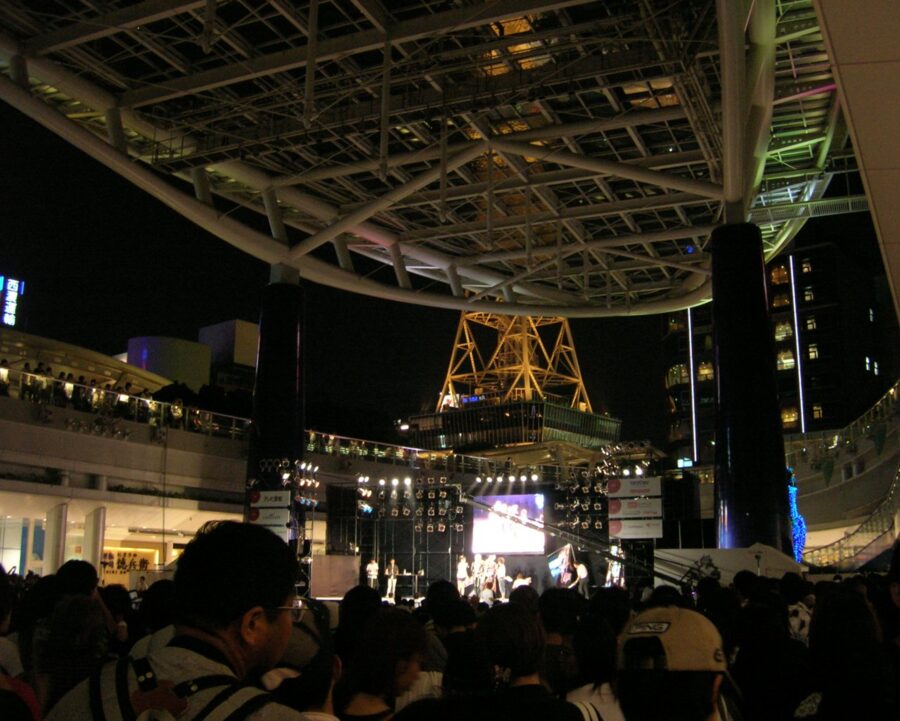

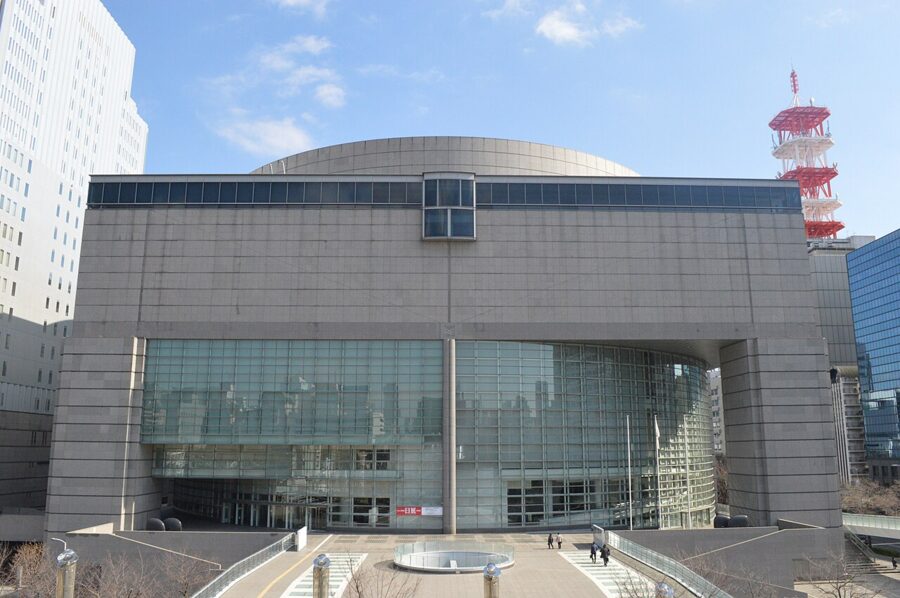
In 2026 the final ran on Sunday August 2 at the Aichi Prefectural Arts Theater Main Hall, inside the Aichi Arts Center next to Oasis 21. Doors opened at 14:30, the show started at 15:30 and it ended around 20:00. Team Hong Kong won as the Palico and the Hunter from Monster Hunter; Canada came second with Tokyo Aliens and Brazil third with Tales of Arise.

No seat? In 2026 the final was also shown at a ticketed live viewing at Oasis 21 and streamed free online.
The Osu Cosplay Parade
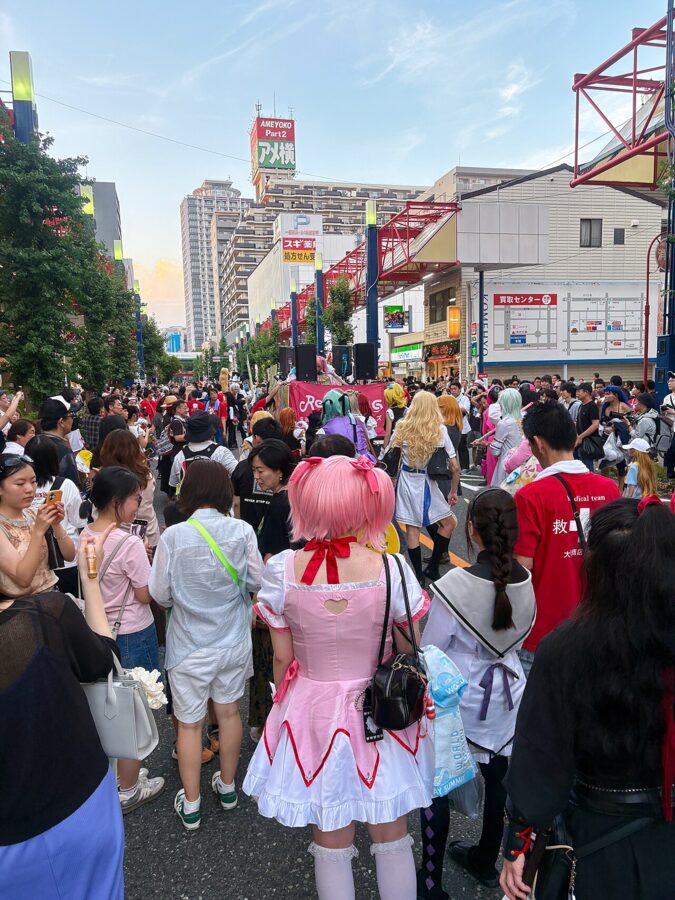
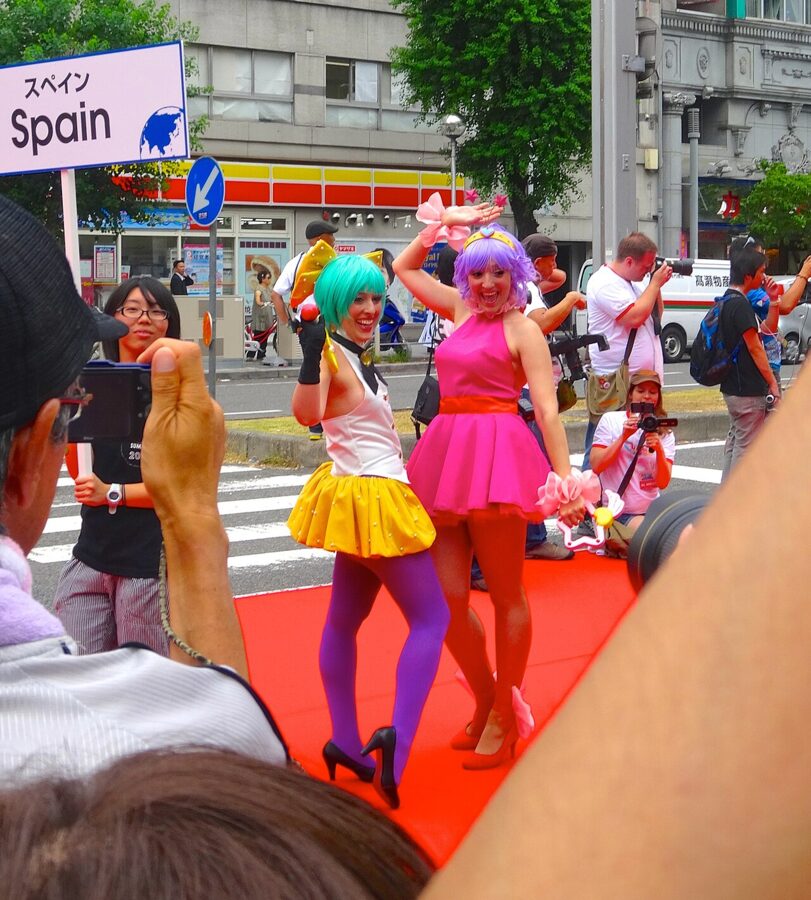
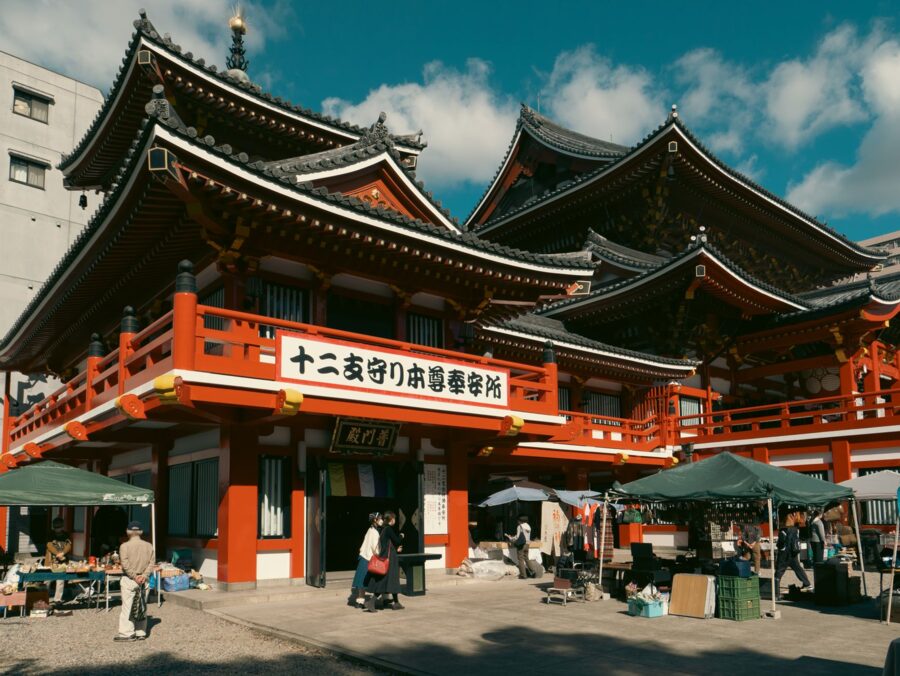
The parade is the summit’s oldest public tradition, first held in 2004. In 2026 it ran on Saturday August 1 from 17:00 to about 19:20, starting at Osu Kannon temple and looping through the covered arcades of the Osu shopping district. About 1,000 cosplayers took part.
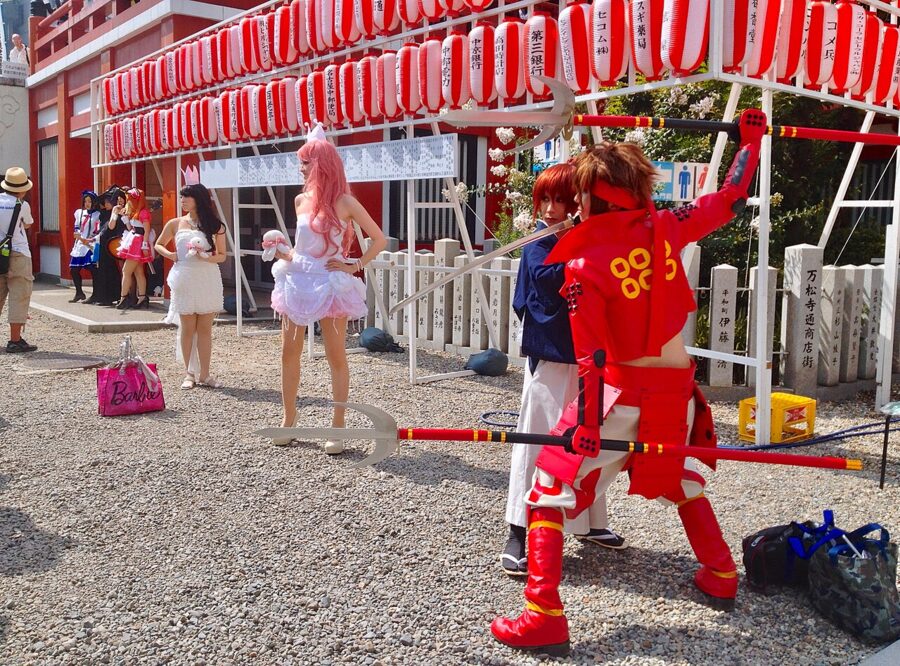

The national teams go first: in 2026 they set off at 17:10 and were back at the temple by about 17:50. The general parade followed from 17:20, in waves, and ended on Honmachi-dori, where an anime-song DJ set ran from about 18:00 and was open to everyone.
Joining cost nothing but needed a numbered wristband. Holders of a summit pass for that day could collect one at Osu Kannon from 13:00, everyone else from 13:30, and one person could collect up to three.
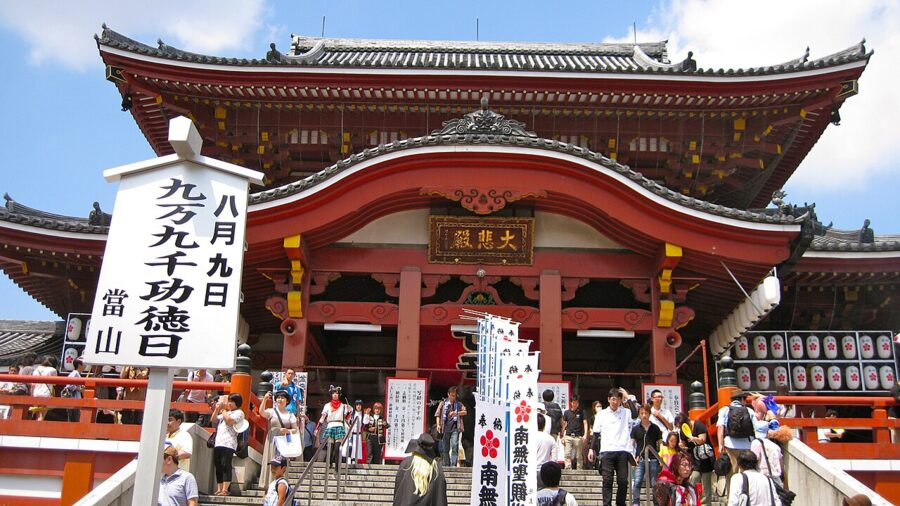

One caution for 2027. In recent years the parade has run as part of the Osu Summer Festival, and a November date takes it out of that festival’s calendar. The organizer has not said whether, or when, a parade will run in 2027, so check before you plan your Saturday around it.
The street event: Oasis 21, Hisaya-odori Park and the rest
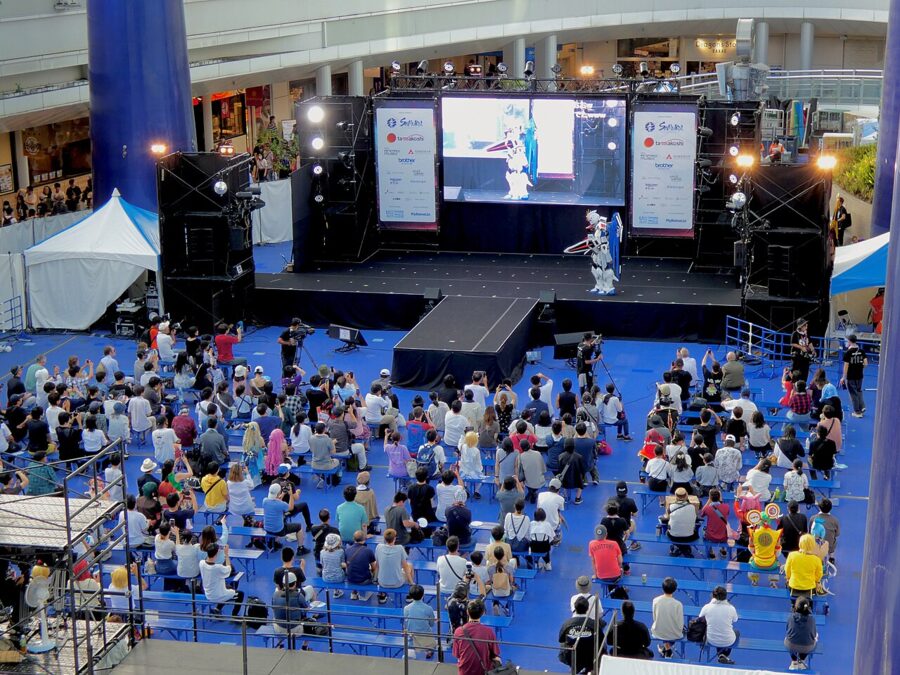
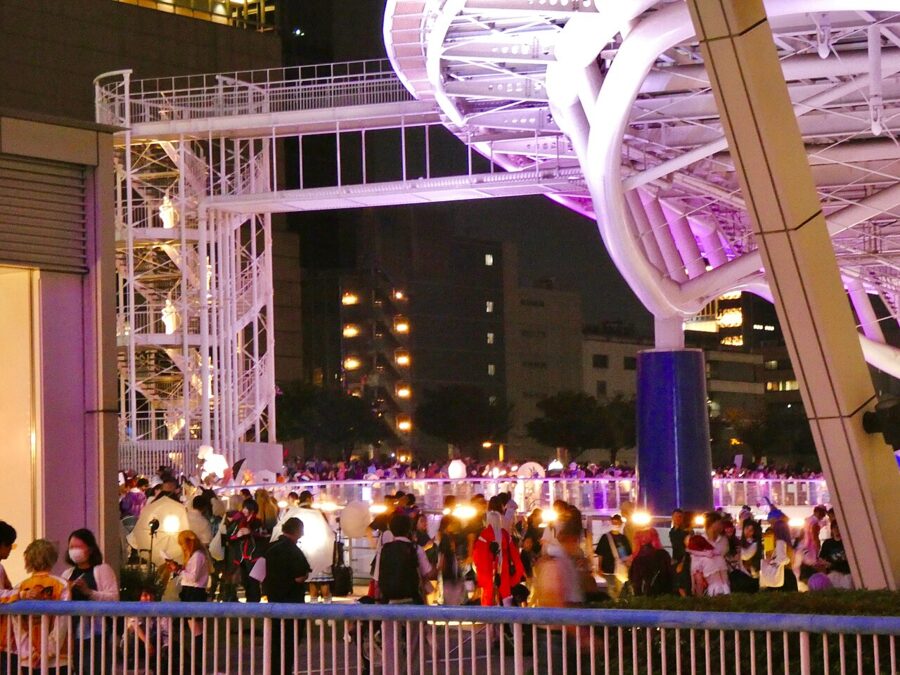
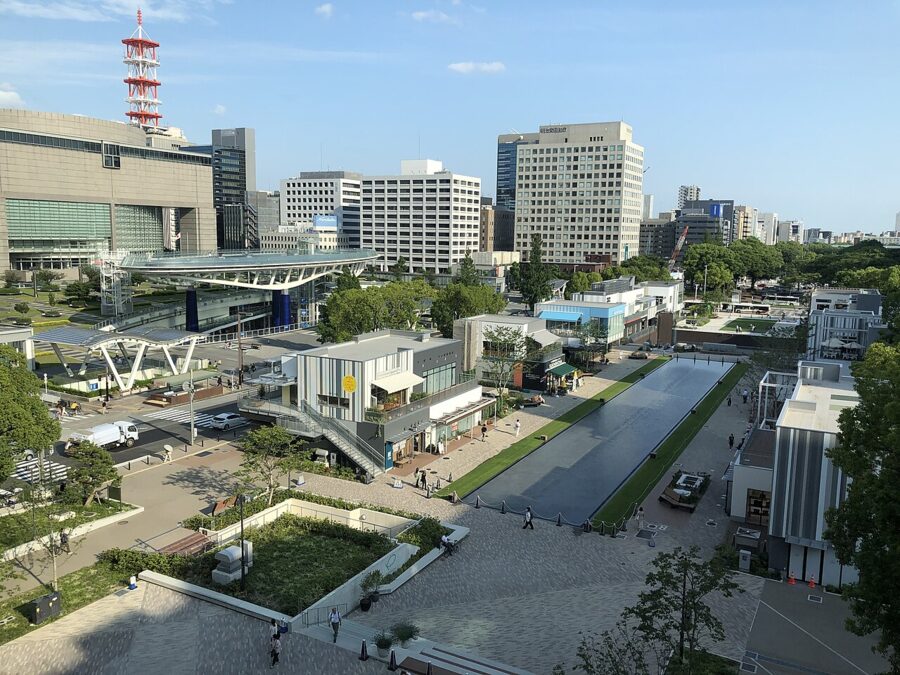
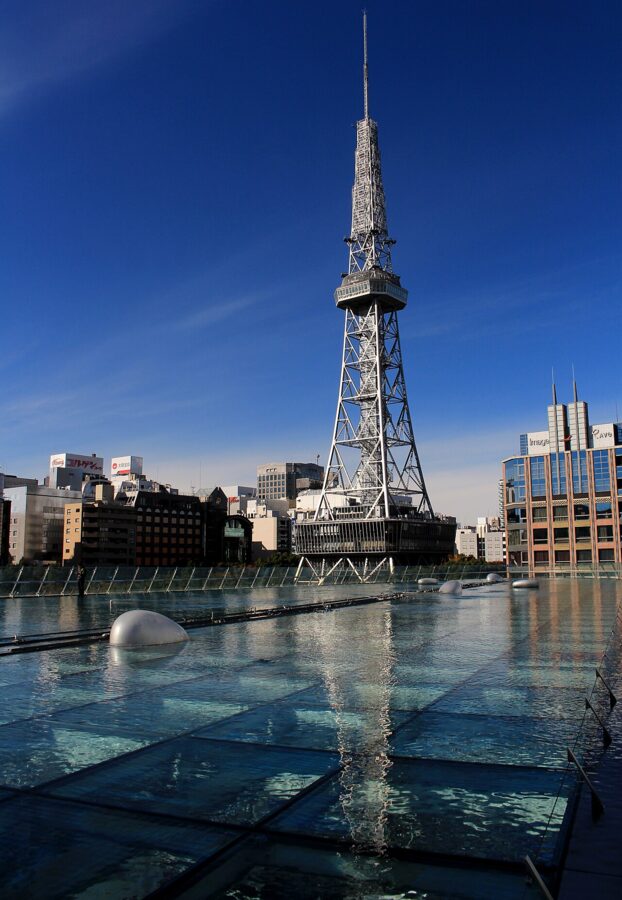
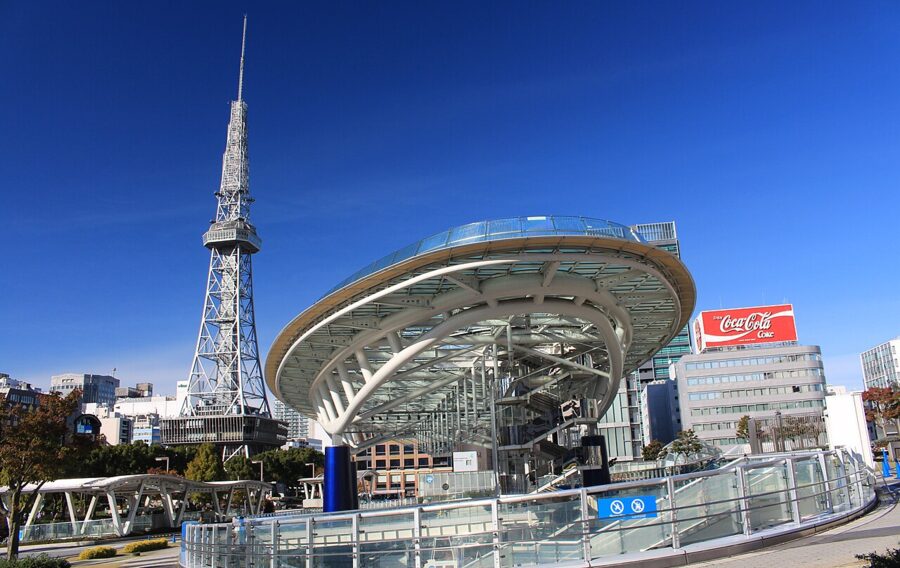
Most of the summit is simply being there. In 2026 the event area spread across Oasis 21, Hisaya-odori Park, the Central Park underground mall, the Chubu Electric Power MIRAI TOWER (the old Nagoya TV Tower), Hisaya-odori Garden Flarie, SLOW ART CENTER NAGOYA and the Osu shopping streets. Stages ran in the Galaxy Plaza at Oasis 21, with booths, runway shows and guest talks.
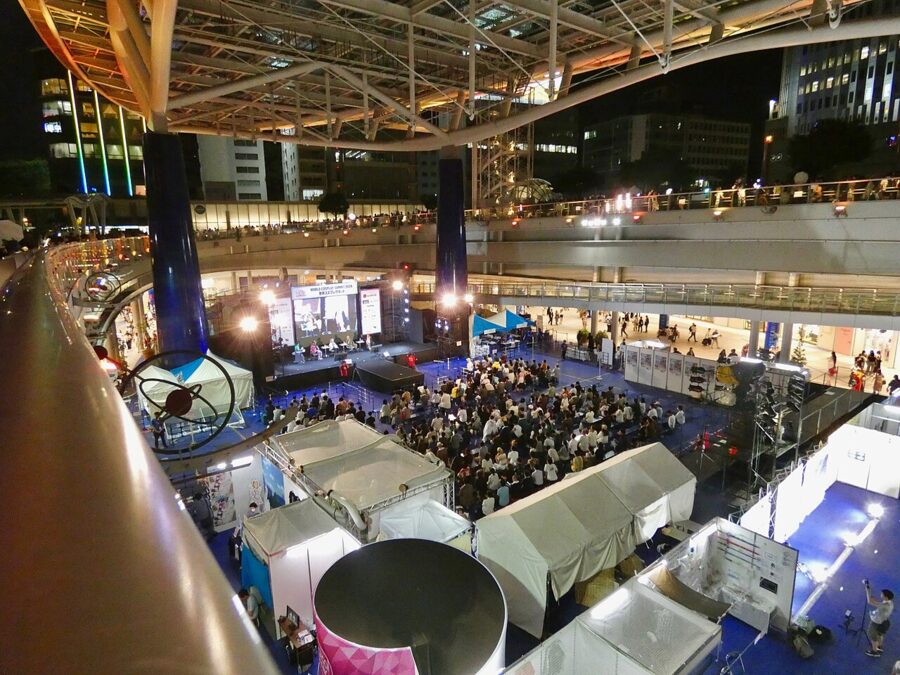

Each spot had its own rules. The water basin south of the MIRAI TOWER was kept for a participants-only photo session, the tower’s observation deck allowed tripods for a paid entry fee, and Flarie allowed photography only on the Saturday and Sunday from 11:00 to 17:30. Osu was a “cosplay strolling area”: walk around in costume and take casual photos, but no full photo shoots.

The national teams, and how to become one
You cannot buy your way onto the championship stage. Each member country or region runs its own selection, usually a national qualifier at a local convention, and the winning pair goes to Nagoya.

The 2026 member list ran to 41 countries and regions, though Vietnam’s team could not travel and 40 took part. If your country is not a member, there is no route to the championship yet.
What’s free and what needs a ticket
Walking around the event area, watching the stages and watching the parade from the street are free. You need a ticket to cosplay, to photograph cosplayers (even with only a phone), or to sit in the championship hall. The organizer also asks anyone accompanying cosplayers or photographers to buy the general ticket, and staff may approach people without a pass.
These were the 2026 prices. Nothing has been published for 2027 as of November 2026, but they give a fair budget.
| Ticket (2026) | What it covers | Advance price |
|---|---|---|
| Cosplay participation ticket | Cosplay for one day; you change elsewhere | ¥1,000 (about $6) for the Friday; ¥3,300 (about $21) for Saturday or Sunday |
| Changing room ticket | Cosplay plus a changing room and cloakroom for one day | ¥1,500 (about $9) Friday; ¥4,000–¥4,300 (about $25–$27) Saturday or Sunday; roomier booths ¥5,800–¥6,000 |
| Camera / general ticket | Photographing or accompanying cosplayers | ¥1,000 Friday; ¥3,000–¥3,300 Saturday or Sunday; two-day pass ¥5,500–¥6,100 (about $35–$38) |
| Same-day ticket at the venue | Cosplay or camera, pass only | ¥2,000 Friday; ¥4,000 Saturday or Sunday |
| Championship seat | Reserved seat plus official goods | ¥4,000 (about $25) A seat to ¥20,000 (about $126) front-row S seat |
Children of elementary-school age and younger could cosplay or take photos free when not using a changing room, but a guardian had to come with them on a ticket of their own. There was no discount for disabled visitors.
How tickets were sold
Overseas visitors bought through KKday (in English, with international cards and instant e-tickets) or Peatix. Inside Japan, sales ran through Ticket Pia and the multi-copy machines at Seven-Eleven stores. Every ticket was tied to a date, and changing room tickets also to a venue, a time slot and a gender, with no exchanges or refunds.
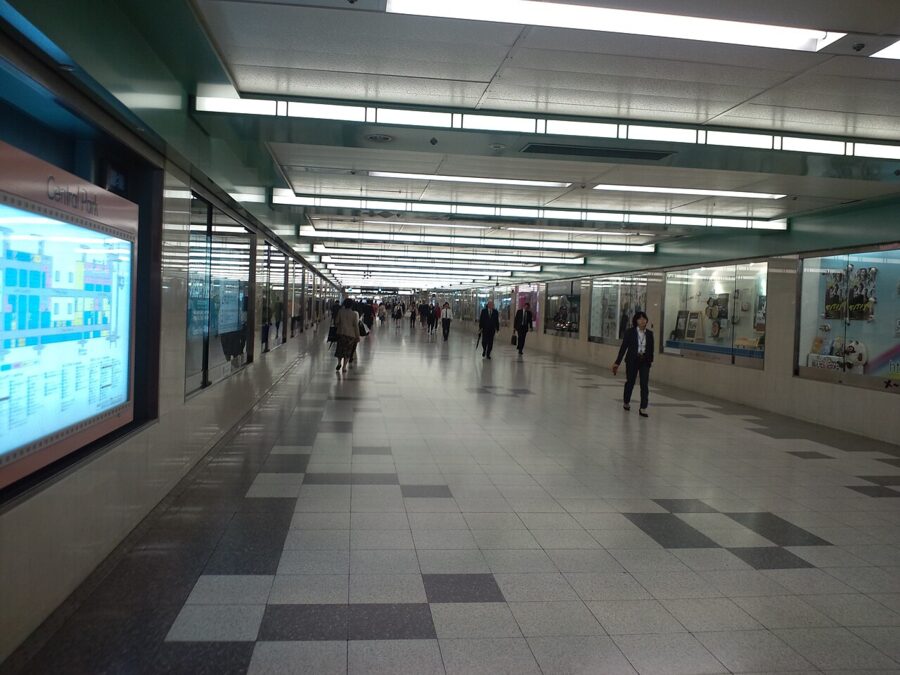
On the day, a cosplay or camera ticket was swapped for a paper pass or a towel at the special reception desk in the Central Park underground mall, near Exit 26. Changing room tickets were checked in at the changing room instead. The reception ran 17:00–20:00 on the Friday and 10:00–20:00 on the Saturday and Sunday.

My advice: buy day tickets and championship seats online the day sales open. Changing rooms were never sold at the venue in 2026, and a counter queue is time out of the plaza.
Championship seats
The 2026 seats came bundled with goods, a penlight at the least. A same-day S seat at ¥7,000 (about $44) went on sale at the hall from 14:00 on the Sunday until stock ran out. Holders of a Saturday or Sunday pass could also use the free fourth-floor seats, limited to the first 150 people.
The hall had eight wheelchair spaces, booked through the summit office in advance.
Getting to Nagoya and between the venues
From Chubu Centrair International Airport
Fares and times here are as of November 2026. From the airport station, reached from the terminal’s Access Plaza, the Meitetsu μSKY limited express reaches Meitetsu Nagoya in 29 minutes for a ¥980 fare plus a ¥450 μticket for the reserved seat, about $9 in all. Kanayama is 24 minutes for ¥910. Ordinary limited expresses take 38 minutes to Meitetsu Nagoya, and the μticket is only needed in their two reserved cars.
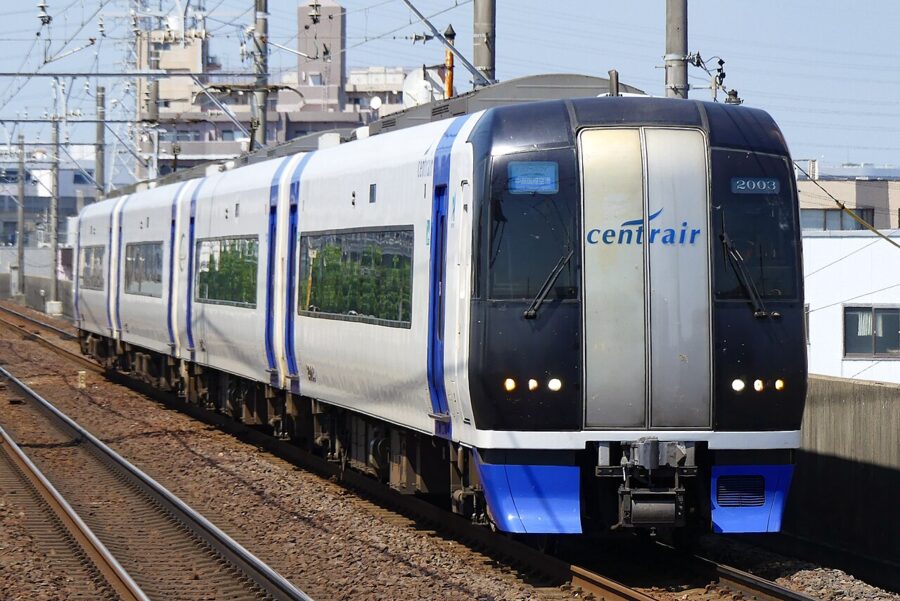

From Nagoya Station the Higashiyama subway line runs to Sakae in 5–10 minutes for ¥210 (about $1). I would budget an hour from the arrivals gate to a Sakae hotel.
From Tokyo, Osaka or Kyoto by Shinkansen
The Nozomi takes about 1 hour 40 minutes from Tokyo to Nagoya. A reserved seat in ordinary class costs ¥11,300 (about $71) one way in the regular season. JR Central has announced that tickets bought from July 1, 2027 will cost ¥11,880 (about $75), so a November 2027 trip will pay the new fare. Kyoto is about 35 minutes from Nagoya on the same line.
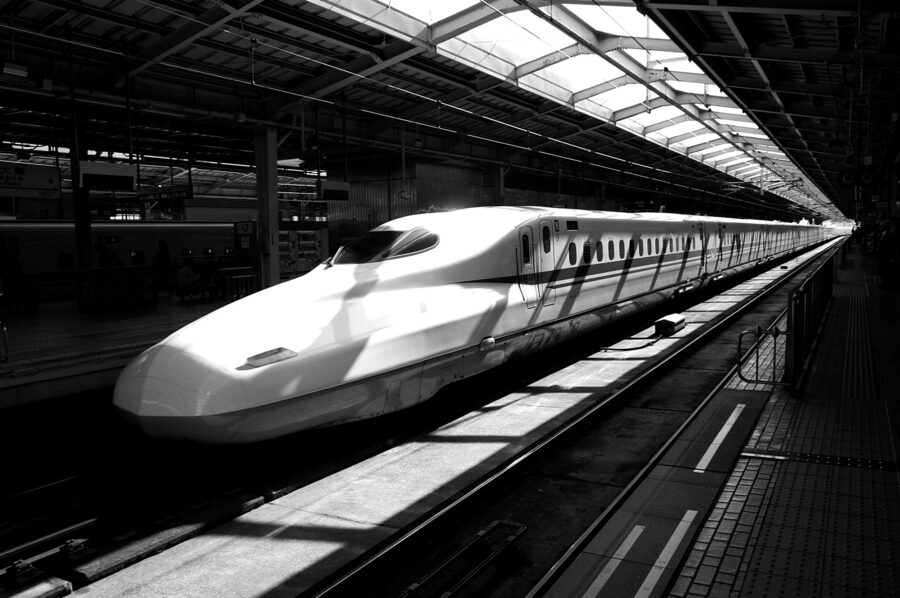
If you fly into Narita or Haneda and spend the first nights in Tokyo, the Airport Limousine Bus to your hotel and a Shinkansen from Tokyo Station a few days later is the simplest version of this trip. A 7-day ordinary Japan Rail Pass costs ¥50,000 (about $315) bought online, and it does not cover the Nozomi without an extra special ticket. For a Tokyo, Nagoya and Kyoto loop I would skip the pass and buy single tickets.
Moving between the venues
The 2026 venues were all a few minutes from a subway station:
- Oasis 21: Sakae Station (Higashiyama and Meijo lines), 3 minutes on foot
- Aichi Prefectural Arts Theater: Sakae Station, 5 minutes
- Central Park underground mall (reception): Sakae Station, 2 minutes
- Hisaya-odori Park and the MIRAI TOWER: Hisaya-odori Station (Meijo line), 2–3 minutes
- Hisaya-odori Garden Flarie: Yabacho Station (Meijo line), 8 minutes
- Osu Kannon and the Osu arcades: Osu Kannon Station (Tsurumai line), 5 minutes

In 2026 cosplayers could ride the Nagoya City Subway and city buses in costume from the Friday to the Sunday, with a jacket over anything revealing and covers on long props. Parking near the venues is limited and the organizer provides none, so leave any rental car at the hotel.
Dressing up: the rules for visitors who cosplay
The rules are stricter than at many conventions abroad, and staff enforce them at the costume check when you collect your pass. These are the ones that catch visitors out.
Changing rooms and luggage
Changing is allowed only in the official changing rooms or somewhere you have arranged yourself, such as your hotel room or a car with covered windows. Changing in public toilets, or anywhere in the underground mall, is banned. If you arrive already in costume, buy the cosplay participation ticket and go straight to reception for the costume check.
In 2026 the main changing rooms were in the APA Hotel Nagoya Sakae-Ekimae EXCELLENT (women on 4F, men on 11F), open from 9:30 for early tickets and 10:30 for standard ones, until 21:30. A second changing room, the closest to Osu, ran in the Bansho-ji Building until 18:00. Aim for 30 minutes or less inside, keep your phone in your bag while in there, and do your base make-up before you arrive.
The changing room cloakroom is the only official place for a suitcase; without that ticket you are down to coin lockers.
Costumes and props
- Props up to about 2 meters are fine; longer ones are not. Cover weapons and long props when moving between areas.
- No metal blades, wooden swords, iron pipes, or plastic or silicone shaped into sharp points. A wooden or metal core is fine if it is fully covered in soft material such as EVA foam.
- Model guns only with the muzzle sealed, the power off and no ammunition. Anything illegal on a normal day in Japan is illegal here.
- No real uniforms, military or police, current or historical. A homemade costume of an anime uniform is fine.
- No fake blood or bruise make-up.
- Exposure: underwear and anything like it must not show, hips must be covered, and thongs and micro bikinis are out. Men may go bare-chested for muscular characters.
- Men in female costume must wear a wig and remove or cover visible body hair.
- Full-face masks and kigurumi suits are allowed, but staff may ask to check your identity.
Photography etiquette
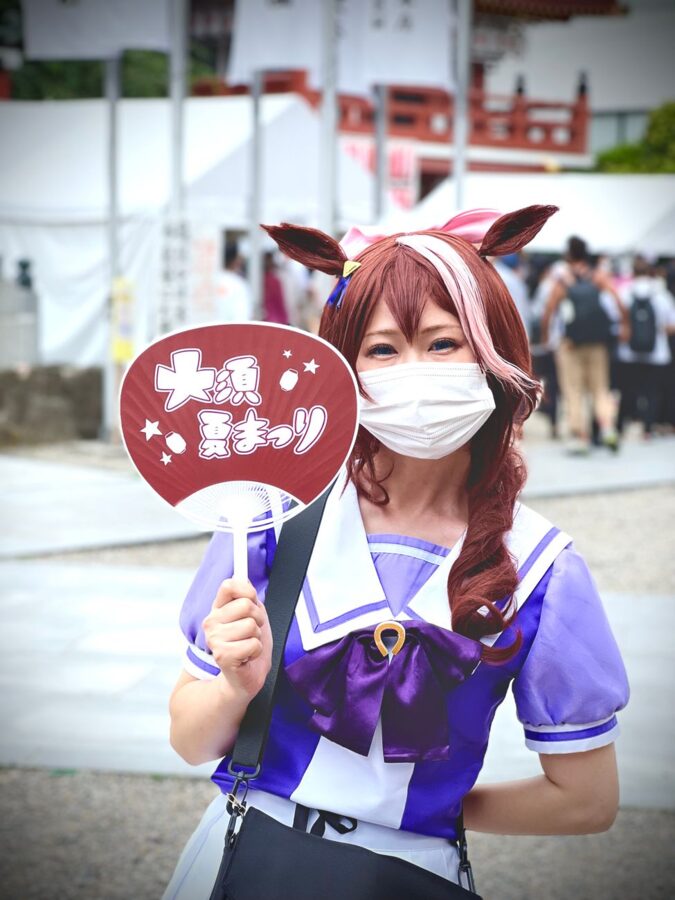
Ask before every photo, ask again before posting it online, and ask before requesting a pose, a handshake or a two-shot. Low-angle shots are banned, and staff delete voyeur or infrared shots on the spot and call the police. Tripods are allowed only in designated areas, reflectors only if they are handheld or camera-mounted, and nobody should hold a spot for long.
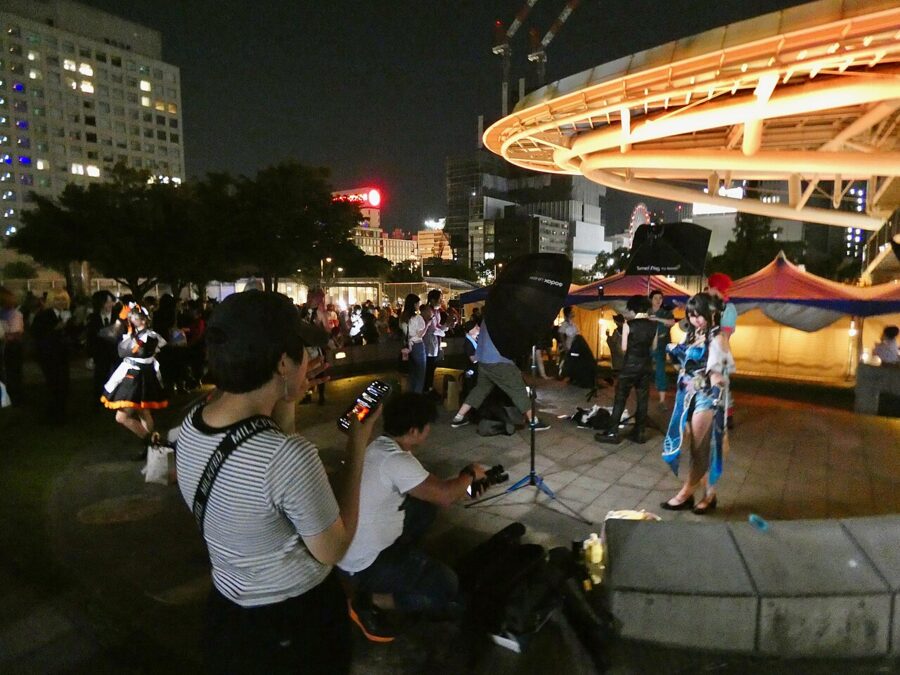

Two technical rules matter for visitors. Wireless flash triggers without Japan’s technical conformity mark (技適マーク, giteki) may break the Radio Act. Drones are banned at every venue.
Children, heat and cold
Children of elementary-school age or younger who use a changing room need a changing room ticket, and one same-gender guardian who is not in costume may go in with them free. Is cosplay appropriate for kids here? The costume rules apply to everyone, and the organizer explains its ban on fake blood by the number of teenagers in the crowd.
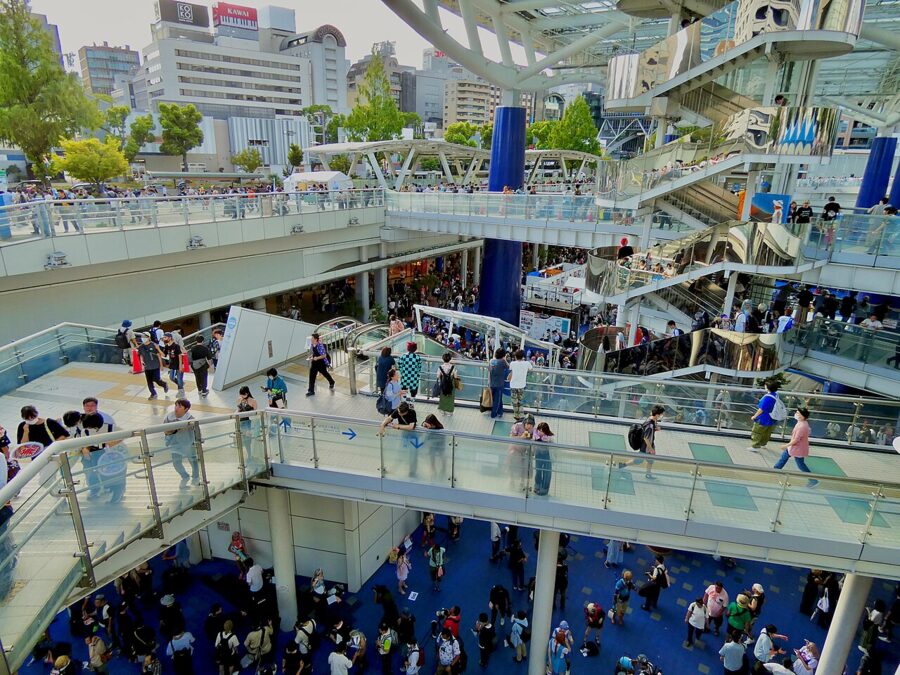

Nagoya in November averages a high of 17°C and a low of under 9°C. That is easy weather for heavy armor and fur, and cold for anything sleeveless after dark. Pack a long coat you can throw over the costume between shoots.
Where to stay
Stay in Sakae if you can. It puts Oasis 21, the reception, the Arts Center and most changing rooms within a few minutes’ walk, and you can change at the hotel and walk to the costume check. Book as soon as you decide to go: the organizer warns that hotels fill up quickly for the event, and 259,000 visits to one plaza in 2026 show why.
- Sakae: walking distance to almost everything, hotels at every price.
- Fushimi and Marunouchi: between Nagoya Station and Sakae, one subway stop from Sakae and quieter.
- Nagoya Station: best for Shinkansen arrivals, a short subway ride from Sakae, too far to walk in costume.
- Osu and Kamimaezu: best for a parade day, and for the shops.
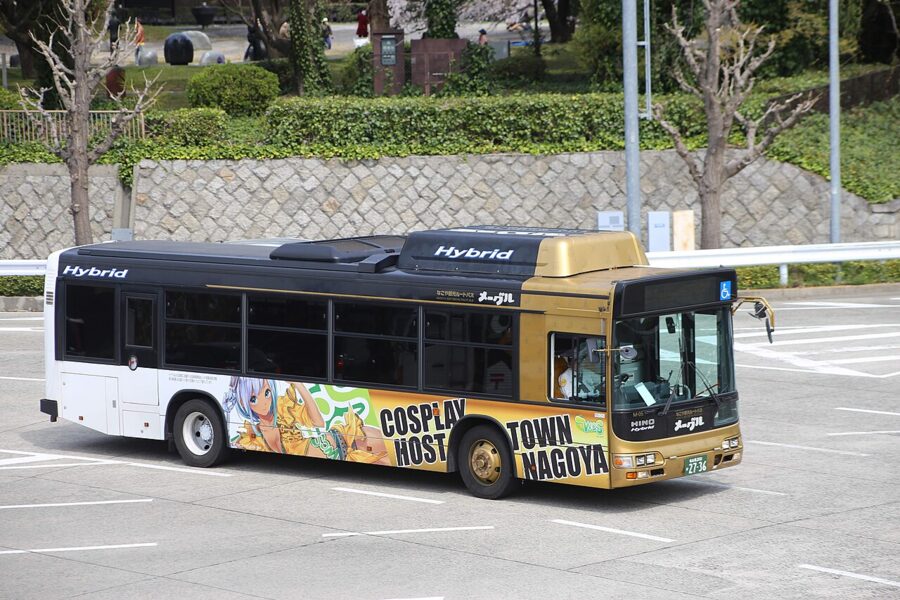

Before booking, check the City of Nagoya’s Cosplay Host Town list of cosplay-friendly hotels, which allow check-in in costume, store large props and provide mirrors and make-up removal space. Its Cosplay Support Taxis, marked with a sticker and charging normal fares, take passengers in costume.
What to pair with the summit
A November summit means shorter days, more comfortable sightseeing and Japan’s autumn-leaf season in full swing, which makes it one of the better months on any list of the best time to visit Japan. I would give Nagoya two days beyond the event, then move on.
Osu Shopping Street beyond the parade
Osu is a grid of covered arcades around Osu Kannon, known for anime, manga, retro games and cosplay goods. On summit days it fills with cosplayers; on a normal weekday it is easier to shop.
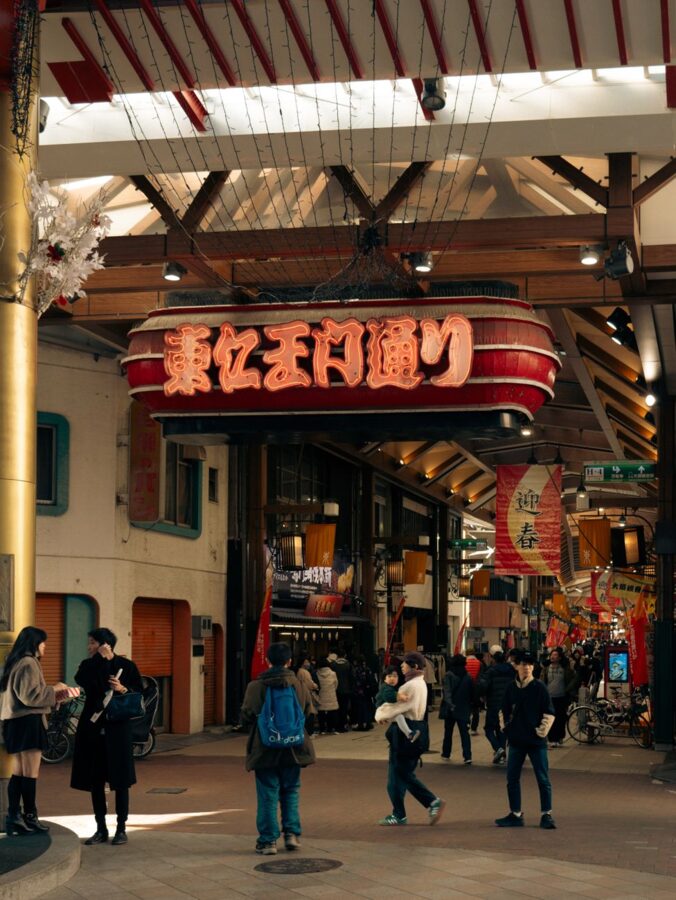
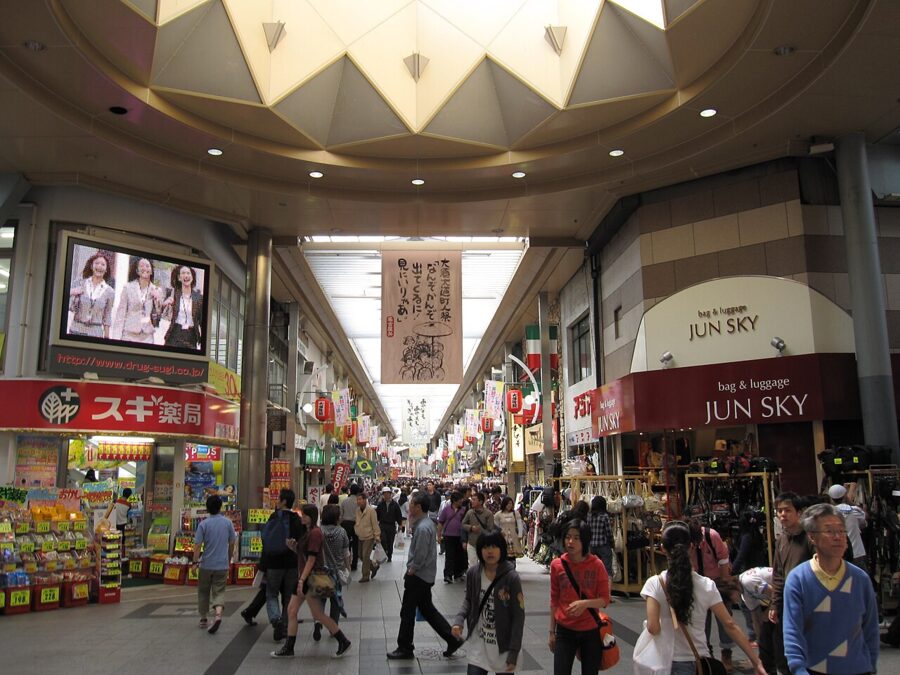

Go back to Osu Kannon on a quiet morning, when the parade backdrop has nobody in front of it.
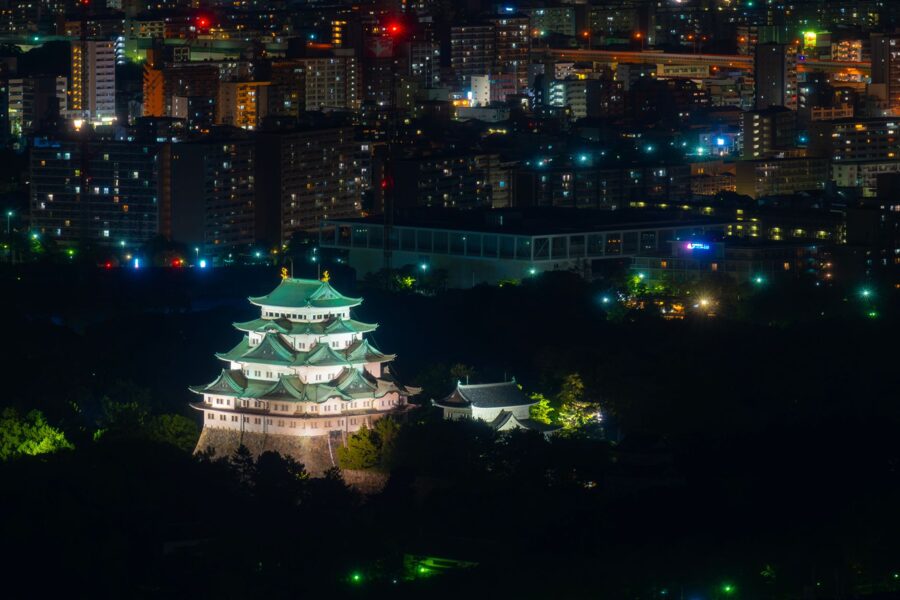
Nagoya Castle
Nagoya Castle is 15 minutes from Sakae by subway and the city’s big historic sight. Admission rose to ¥1,000 (about $6) for adults from October 1, 2026, and it is open 9:00–16:30, with last entry at 16:00 and closures from December 29 to January 1. The main keep is closed during restoration, so the reason to go is the rebuilt Hommaru Palace and the grounds. On autumn weekends the queue for the palace can run past an hour, so go early.
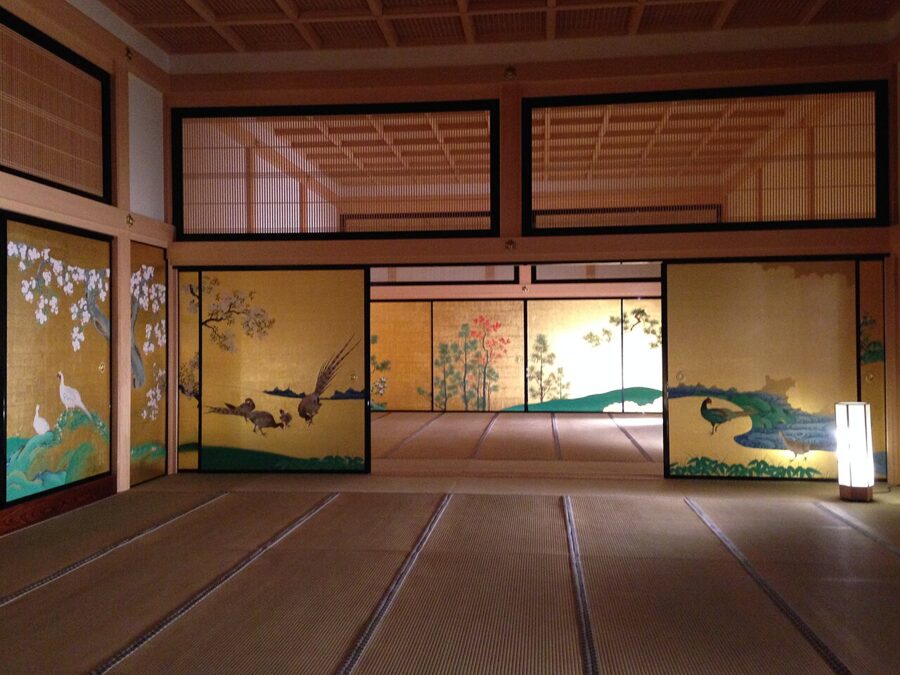

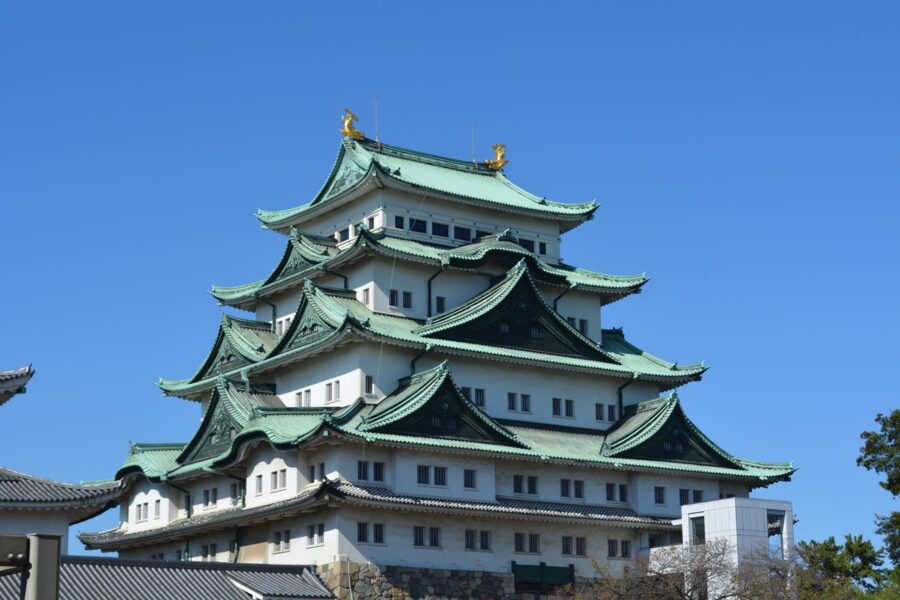
The castle is also an official Cosplay Host Town photo location; read its facility rules before shooting in costume.
Other cosplay-friendly places in Nagoya
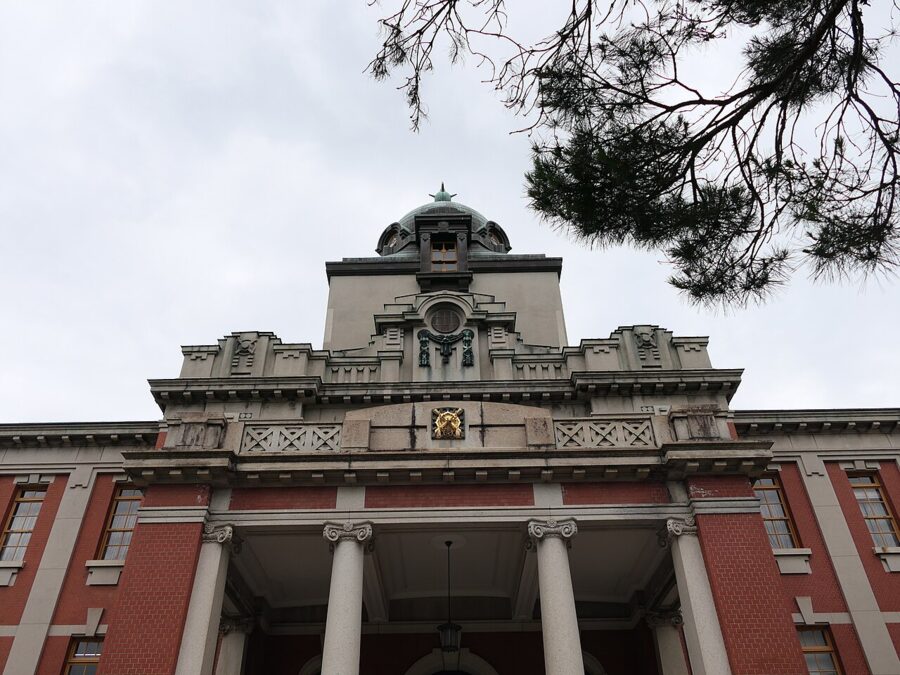
The Cosplay Host Town list runs to more than 20 official photo locations, from parks to a railway museum. The best-known is the Nagoya City Archives, a red-brick former court building.


A day in Kyoto or Tokyo
Kyoto is about 35 minutes away by Nozomi, close enough for a day trip, and late November is usually when its maples turn. Tokyo, at 1 hour 40 minutes, works better as the start or end of the trip than as a day out.
One trip will not catch both the summit and Tokyo Game Show, which ran September 17–21 in 2026 at Makuhari Messe.
How the summit started and grew
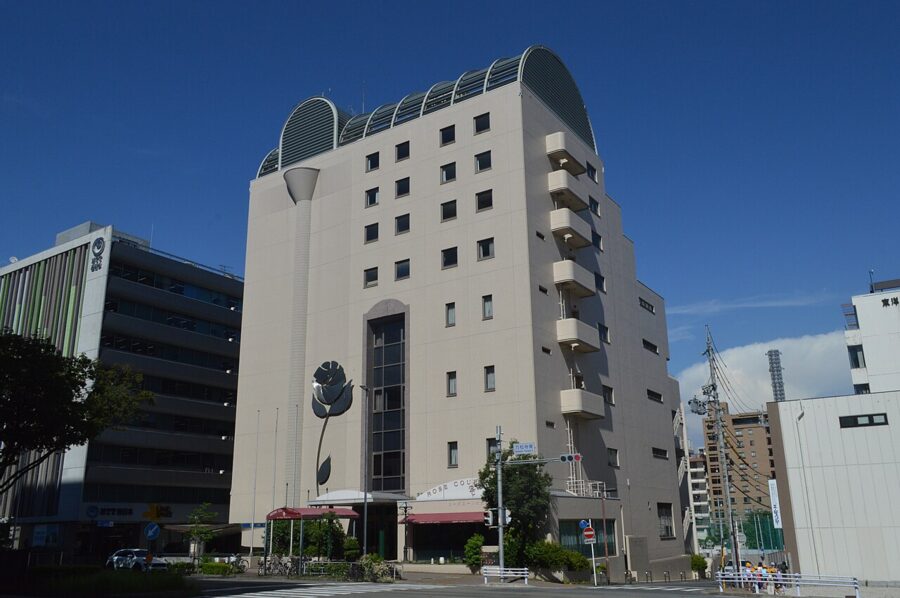

The first World Cosplay Summit in 2003 was held at the Rose Court Hotel in Osu. The Osu parade opened to the public the following year, and the first championship was held at Expo 2005 in Aichi. From 2006 the summit had the backing of the Ministry of Foreign Affairs, which still sits on its organizing committee.
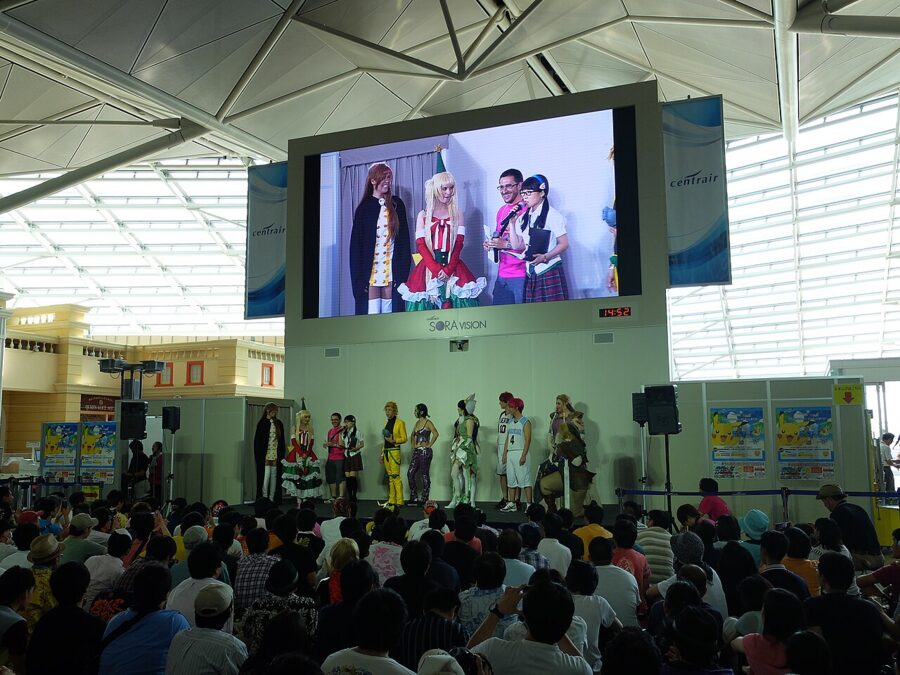

Growth was steady rather than sudden. Twelve countries took part by 2007, twenty by the tenth anniversary in 2012 and thirty by 2016, the year total visits passed 300,000. South Africa’s arrival in 2018 made it a five-continent event. Nagoya declared itself a Cosplay Host Town in 2017, and in 2019 the summit added a WCS in TOKYO event at Tokyo Dome City.
The championship has a rotating cast of winners. Japan won in 2009 and 2012, Brazil took its third title in 2011, Mexico won in 2015 and China took its first in 2017. The 2025 title went to the USA and the 2026 one to Hong Kong.
The 2020 summit went online, a pre-festival night was added in 2022, and 2024 was billed as a return to pre-pandemic scale. The 2026 edition, the 24th, was officially “the final summer”, and the organizer’s aim for the November era is 100 countries and regions.
Put November 12–14, 2027 in the calendar and book a Sakae hotel the day you decide to go. The tickets can wait for the organizer’s announcement; in 2026 they went on sale eight weeks ahead, and in 2027 the weather, at least, will be on your side.