
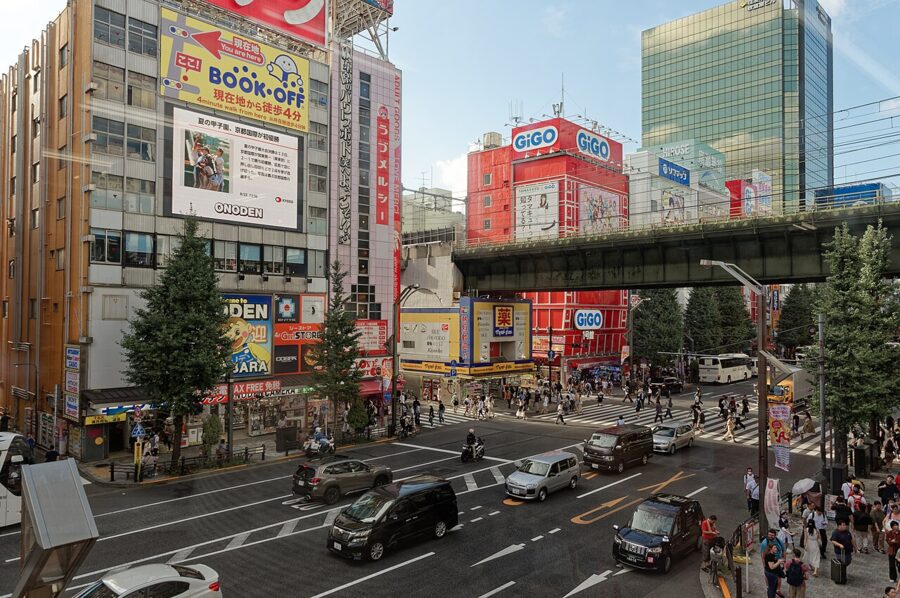
Most of Akihabara’s game and anime shops open between 10:00 and noon, and its arcades stay lit until 23:30. That one fact decides your day. Arrive at 9:00 and you will stand on Chuo-dori watching shutters; arrive at 11:00 and nearly the whole district is open around you.
Akihabara, or Akiba to the people who shop there, is the few blocks of Tokyo’s Chiyoda City where Japan’s electronics trade and its anime and game fandom ended up on the same streets. The name comes from a shrine that once stood near the station. The district grew out of a postwar black market in radio parts, and you can still buy a single transistor in the stalls under the tracks.
A game or anime fan comes for other things: retro cartridges three floors up an office block, a figure on release day, a shooting-game cabinet someone has practiced on for twenty years, an hour in a maid cafe. Here they are by street, opening time and budget, with hours and prices as of November 2026.
On this page
- How Akihabara is laid out
- Retro game shops: which one for what
- Arcades now: GiGO, Hey and the rest
- Anime, manga and figures
- Maid cafes: how they work and what they cost
- Sunday car-free hours on Chuo-dori
- Kanda Myojin: the shrine up the hill
- Tax-free buying after November 2026
- Opening hours and getting there
- Half-day and full-day plans
How Akihabara is laid out
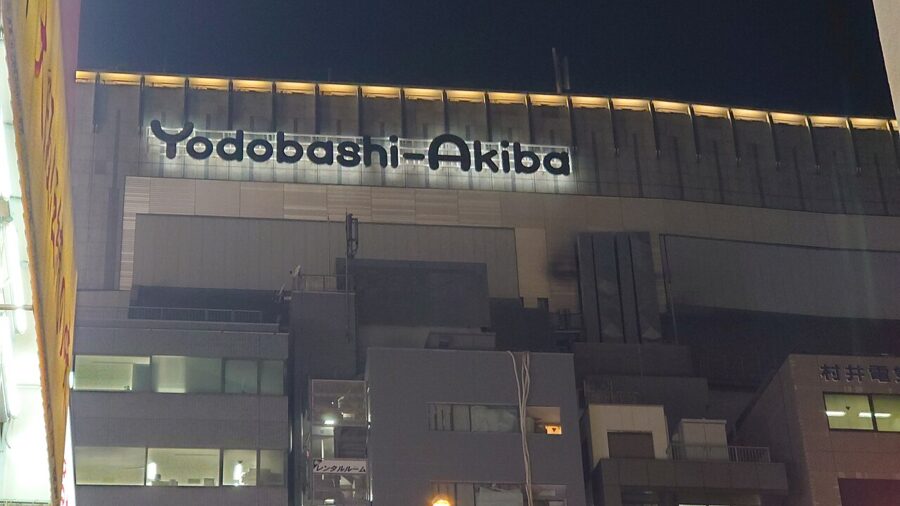
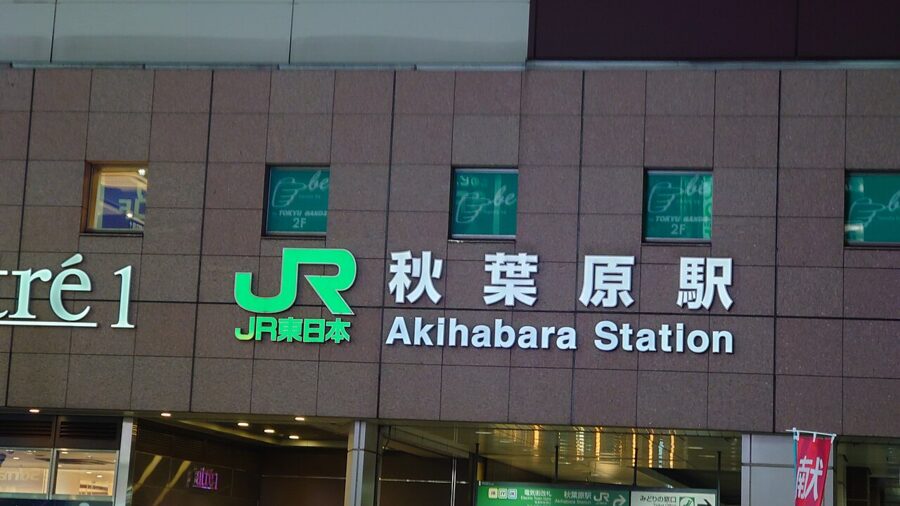
Get off at JR Akihabara Station and follow the signs for the Electric Town exit (電気街口). That exit puts you on the west side of the tracks, facing Radio Kaikan, with Chuo-dori one short block ahead. If you leave by the Central exit or the Showa-dori exit instead, you are on the east side, where the big Yodobashi Camera store and the office towers are, and you will need to walk back under the tracks.
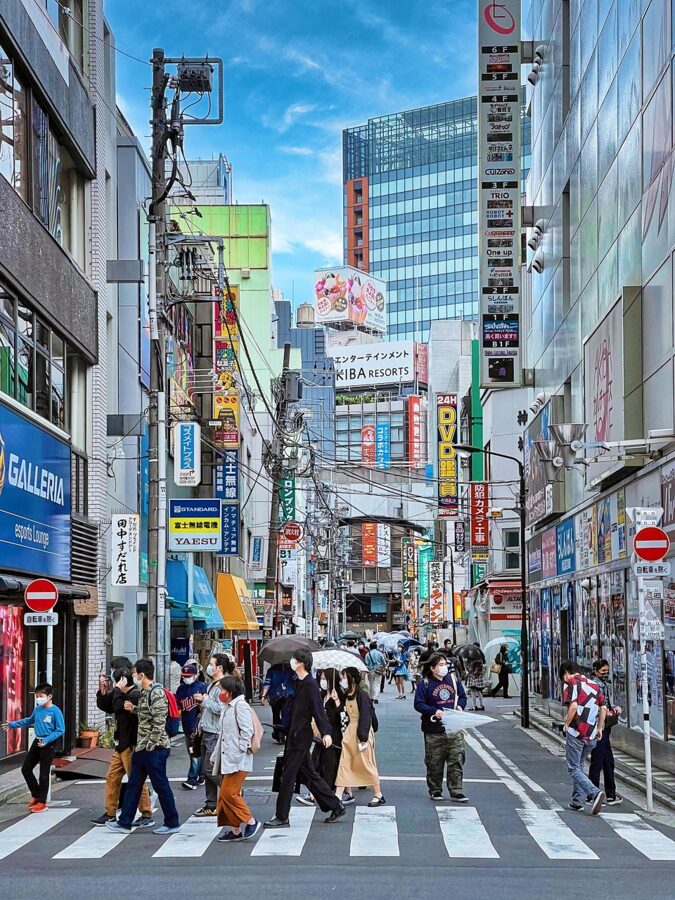
Chuo-dori is the spine. It runs north from Manseibashi, the bridge over the Kanda River, past the station end of the district and on toward Sotokanda 5-chome and Ueno. The big arcades, the duty-free electronics chains and the tallest anime stores face it. On Sunday afternoons a 570-meter stretch of it closes to traffic, which I cover below.
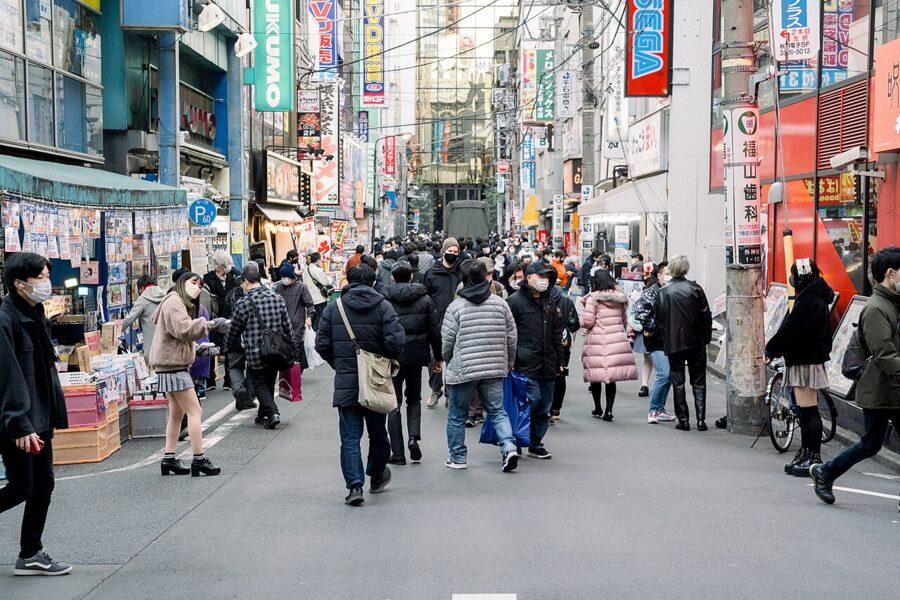
The back street that runs parallel to Chuo-dori on its west side is where the district keeps its character. Locals call this strip Ura-Akiba, “behind Akihabara,” and it holds Mandarake Complex, a string of maid and concept cafes, small second-hand shops and the staff handing out flyers for them. Walk only Chuo-dori and you miss half of what is for sale.

The edges worth walking to
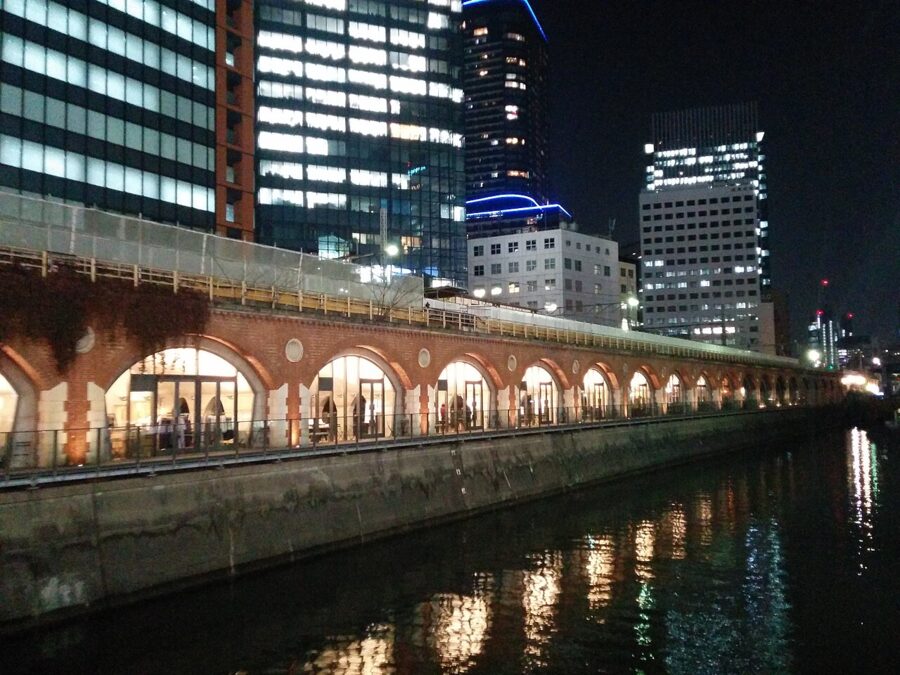
Three places sit just outside the grid. To the south, mAAch ecute Kanda Manseibashi fills the brick arches of the old Manseibashi Station under the Chuo Line, with cafes on a deck over the river. It marks the southern end of the Sunday car-free street, so it is a natural start or finish.

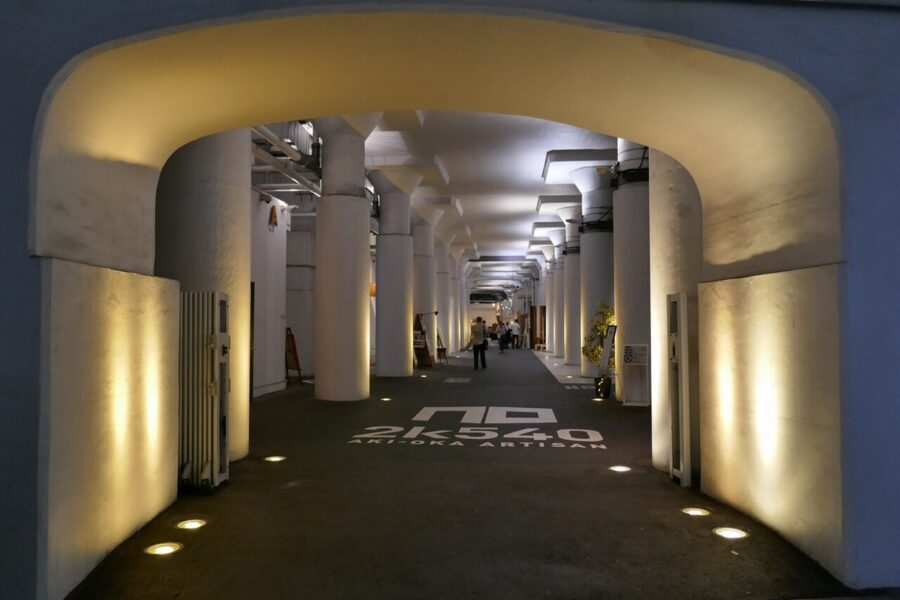
To the north, the JR tracks between Akihabara and Okachimachi stations have been turned into shopping arcades. 2k540 AKI-OKA ARTISAN holds craft workshops and small makers’ shops, and the newer SEEKBASE AKI-OKA MANUFACTURE next to it is where one of the best retro shops in Tokyo moved in June 2026. To the west, up the hill, is Kanda Myojin shrine, seven minutes on foot from the Electric Town exit.

Retro game shops: which one for what
Akihabara’s retro shops are not interchangeable. One is a museum you can buy from, one is a warehouse with a price on every box, and one is the place for Japanese home computers nobody abroad ever owned. Pick by what you collect.
Super Potato: for browsing and the arcade upstairs
Super Potato occupies the third, fourth and fifth floors of the Kitabayashi building at Sotokanda 1-11-2, a few minutes’ walk from the station. It is open 11:00 to 20:00 every day, weekends included. The shelves run from Famicom cartridges to the PlayStation generations, sorted by system, with consoles, controllers and boxed rarities in glass cases.
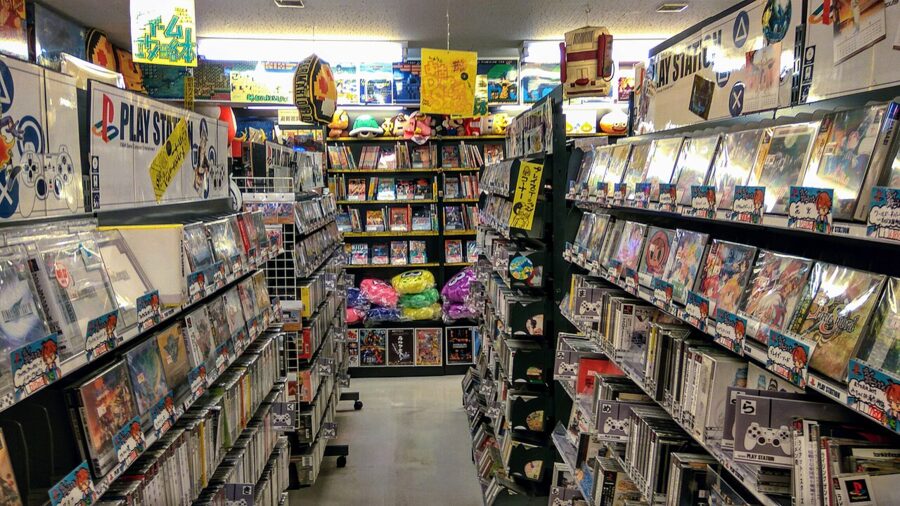

The fifth floor is the reason to go even if you buy nothing: a small retro arcade with a rest area. Super Potato is the most famous retro shop in the district, and it prices like it. I would use it to find what I want and handle it, then check the same game at Surugaya before paying.
Surugaya: for price and volume
Surugaya is a national second-hand chain with several Akihabara branches, each specializing in something different. The one for games is the Akihabara Ekimae store, in the Yamamoto Musen building at Sotokanda 1-15-15, a minute from the station, spread from the basement to the third floor. It carries retro and current games and opens 11:00 to 21:00 on weekdays and 10:00 to 21:00 on weekends and holidays.
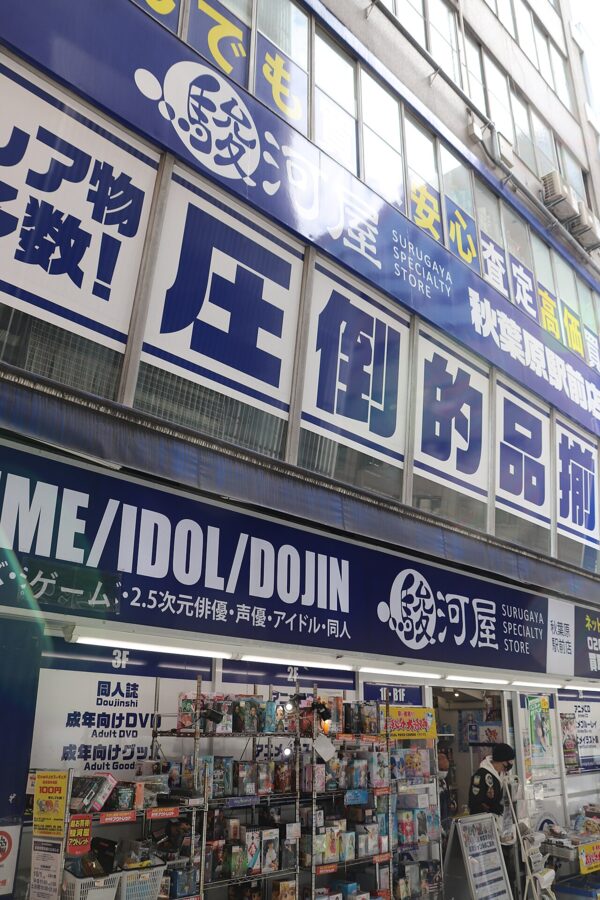

It is less romantic than Super Potato and usually cheaper, because the chain prices from a huge national stock. Its other Akihabara branches lean toward figures, trading cards and plastic models. For loose cartridges and common titles, this is where I would buy.
BEEP: for Japanese computers and the deep end
BEEP is the shop for retro Japanese home computers and their software, machines whose games mostly never left the country, alongside retro console games. It moved on June 6, 2026, from its old basement shop on Sotokanda 3-chome. The new store is in Building 3 of SEEKBASE AKI-OKA MANUFACTURE, under the tracks between Akihabara and Okachimachi, opposite the Kanda fire station.
It is about 5 minutes on foot from the Electric Town North exit and 7 from the East exit. Hours are 11:00 to 20:00, and it closes on Wednesdays, which is the detail that catches people out. Older guides still send visitors to the former basement address, so ignore any map pin that is not under the tracks.
Before you buy a stack of cartridges
Japanese consoles and games are built for the Japanese market. Famicom cartridges do not fit an American NES without an adapter, and several later Nintendo systems lock out or physically block games from other regions. Disc-based systems vary by console and generation, so check yours before you buy.
Japan runs on 100 volts, so an old console may need a step-down transformer at home, not just a plug adapter. Ask to test anything expensive; a working test is worth more than any label.
Arcades now: GiGO, Hey and the rest
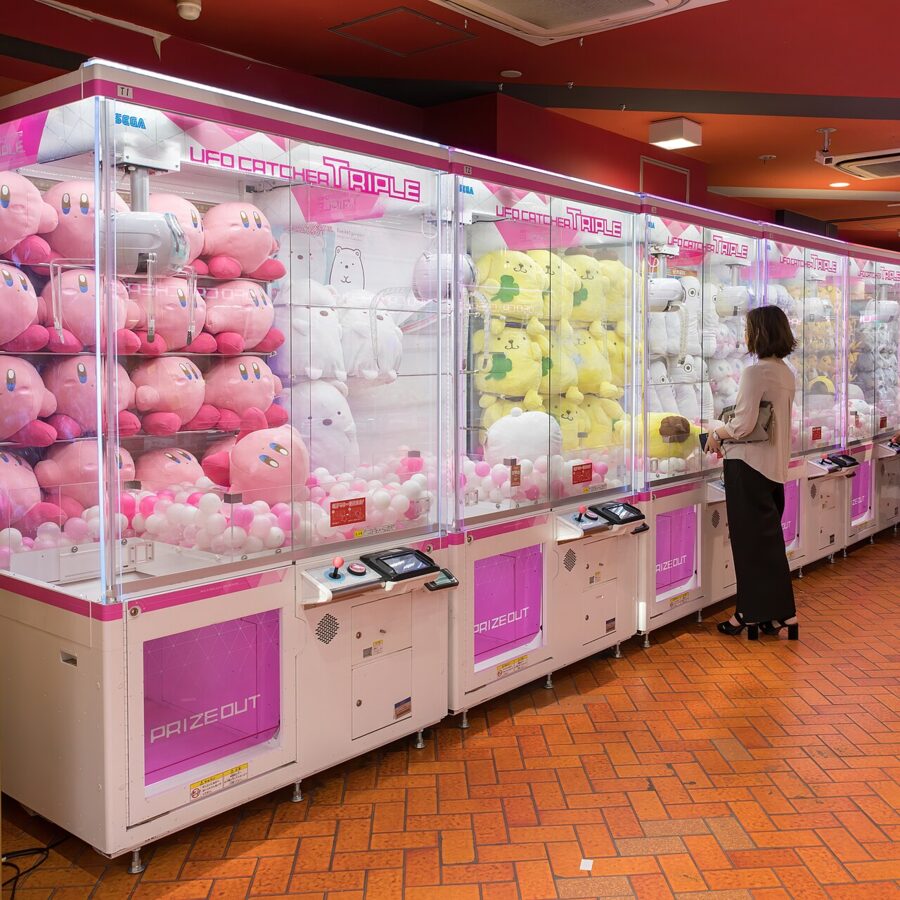
Japanese arcades are called game centers, and Akihabara’s are stacked vertically. Street level is almost always crane games and photo booths. The video games, the rhythm games and the people who take them seriously are on the floors above, so take the stairs.

GiGO
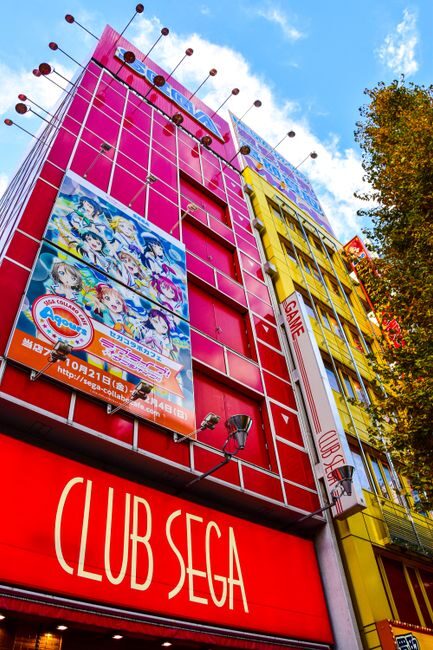
GiGO is the arcade chain that took over Sega’s game centers, and it runs three game floors in Akihabara, all open 10:00 to 23:30 every day. GiGO Akihabara 3, at Sotokanda 1-11-11 on Chuo-dori, is the big one, with cranes, photo booths, driving and gun games, music games and video games, plus a collaboration cafe on its upper floors. GiGO Akihabara 2, two minutes from the Electric Town exit in the Handa building, is mostly crane games and capsule toys.
GiGO Akihabara 5, in the Yoshiba Musen building at Sotokanda 1-10-1, mixes cranes with video and card games and sells taiyaki, the fish-shaped filled cakes, on its ground floor. All three are non-smoking and take transit IC cards and QR payments at many machines, and each has a change machine for coins.
Hey: for shooting games
Hey, run by Taito at Sotokanda 1-10-5, is the arcade that shooting-game players travel for. Whole rows are given over to shoot-em-ups, and the regulars are working on one-credit clears. It turned 25 in April 2026 and celebrated with a Battle Garegga tournament, which tells you who its audience is.
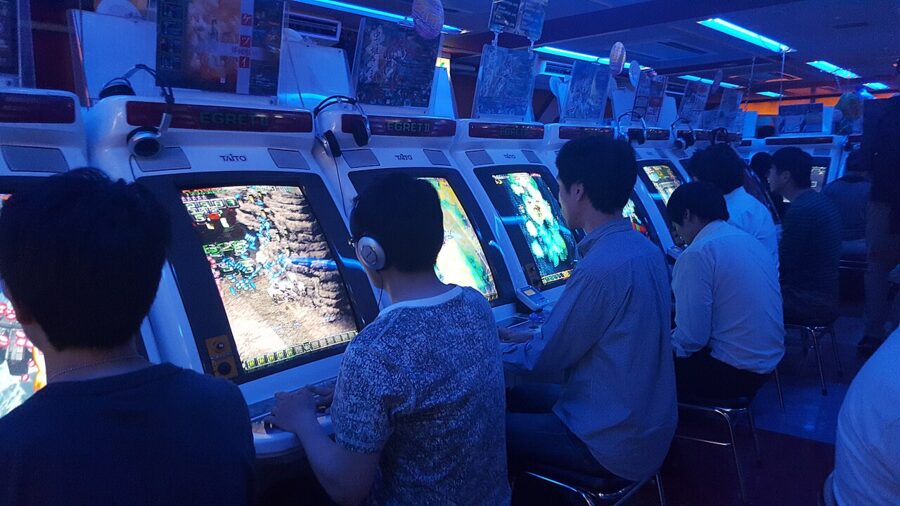

Hey is open 10:00 to 23:30. On August 8, 2026, Taito opened Hey2 next door at Sotokanda 1-11-12, with the same hours, but it is built around crane games and Akihabara prizes. If you came for the cabinets, walk past it to the original.
Rhythm and fighting games
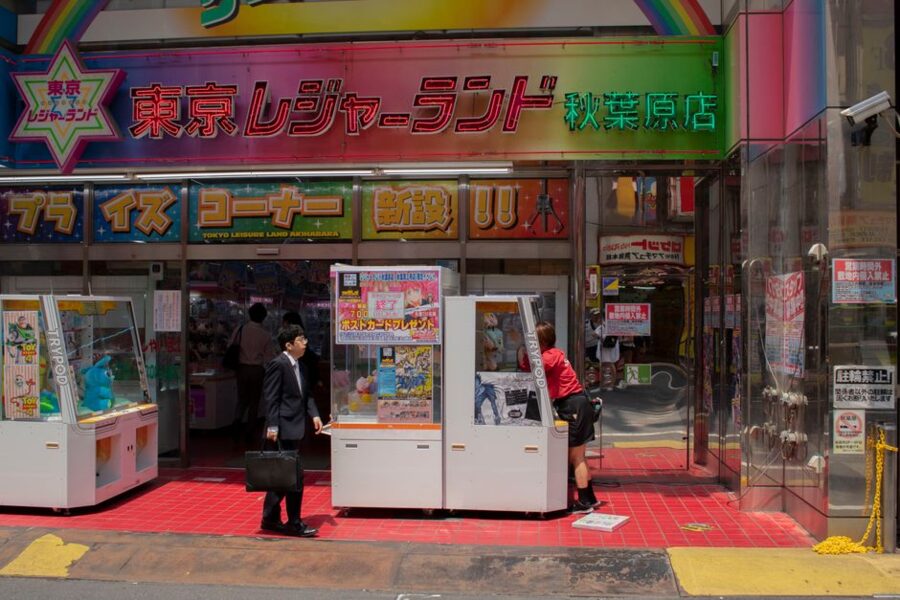
Rhythm games are the one genre you can watch from the aisle without intruding. Tokyo Leisure Land, a short walk from the station, is a regular haunt for players from the BEMANI Pro League, Konami’s professional rhythm-game league. GiGO Akihabara 3 has music games too.
For fighting games, Akihabara is not the strongest district in Tokyo. Hey keeps some versus cabinets, but the dedicated fighting-game arcades are in Takadanobaba and Ikebukuro, and that is where I would spend an evening if the versus scene is why you came.
Arcade etiquette
Most cabinets still take ¥100 coins (about $0.65), so carry a pocketful or use the change machines. Versus cabinets are set back to back: putting a coin into the machine opposite someone is a challenge, and it is normal to lose, nod and leave. Some players line up coins on the cabinet ledge to show they are next; watch what the locals do and follow it.
Do not film other players’ screens or faces without asking, and keep your bag off the next stool. GiGO’s arcades are non-smoking, and so are most game centers in Tokyo now.
The quiet option: EXBAR
Taito also runs EXBAR TOKYO plus Akihabara in the East-West Free Passage under the station: a craft beer bar with about 20 taps and game machines in the dining area, open 10:00 to 23:00. You buy a prepaid card and pour your own beer.
Anime, manga and figures
Akihabara sells anime goods new, second-hand and from vending machines. New releases and store-exclusive goods come from the big chains. Older figures, out-of-print manga and anything you missed come from the second-hand shops, often at a premium.
Radio Kaikan
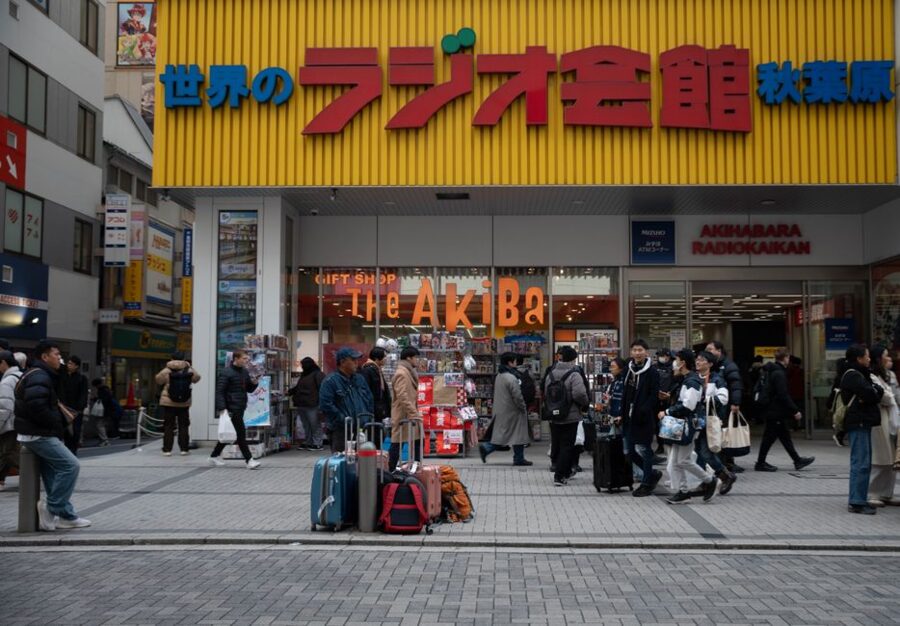
Radio Kaikan, at Sotokanda 1-15-16, is the yellow-signed building facing the Electric Town exit. The old building was torn down in 2011 and replaced by today’s taller tower in 2014. Its ten floors are hobby shops, open 10:00 to 20:00, with each shop keeping its own exact hours.
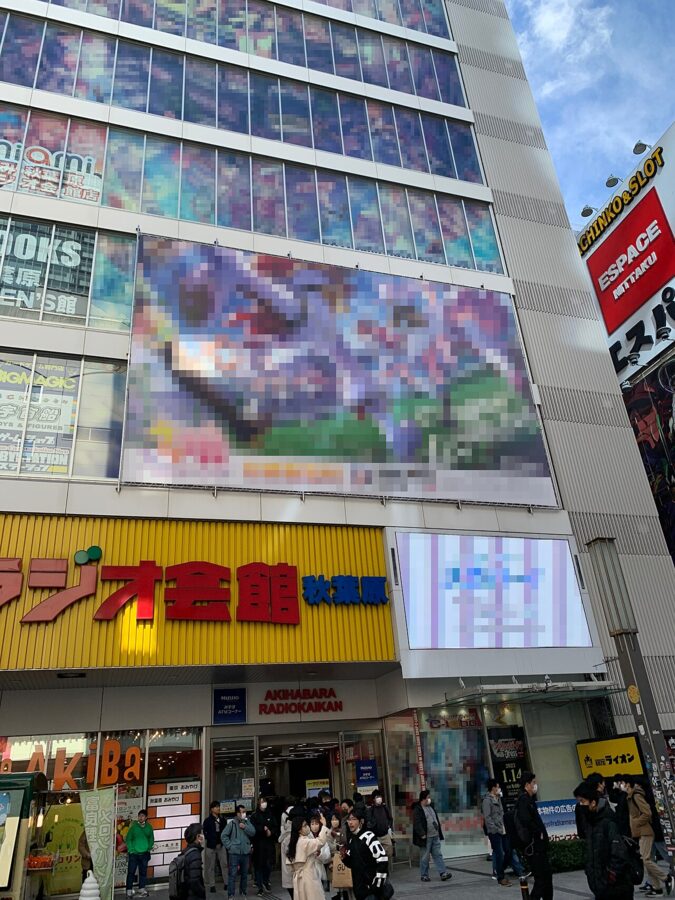

The floor plan is the useful part. K-BOOKS, for second-hand manga and character goods, is on 3F, and the AmiAmi store, for new and pre-owned figures, is on 4F. Kaiyodo’s Hobby Lobby and the second-hand chain Rashinban (Lashinbang) share 5F; Yellow Submarine’s card shop has 6F; Volks, for dolls and models, has 8F; and 9F is trading cards.
Animate
Animate is Japan’s biggest anime retailer, and its Akihabara store is at the north end of the district, at Sotokanda 4-3-1. It finished a long expansion on August 8, 2026: the renovated Building 1 covers six floors of character goods, and the enlarged ANNEX starts with a capsule-toy floor in the basement and on the ground floor, then game and character goods, then official shops and event floors up to 7F.
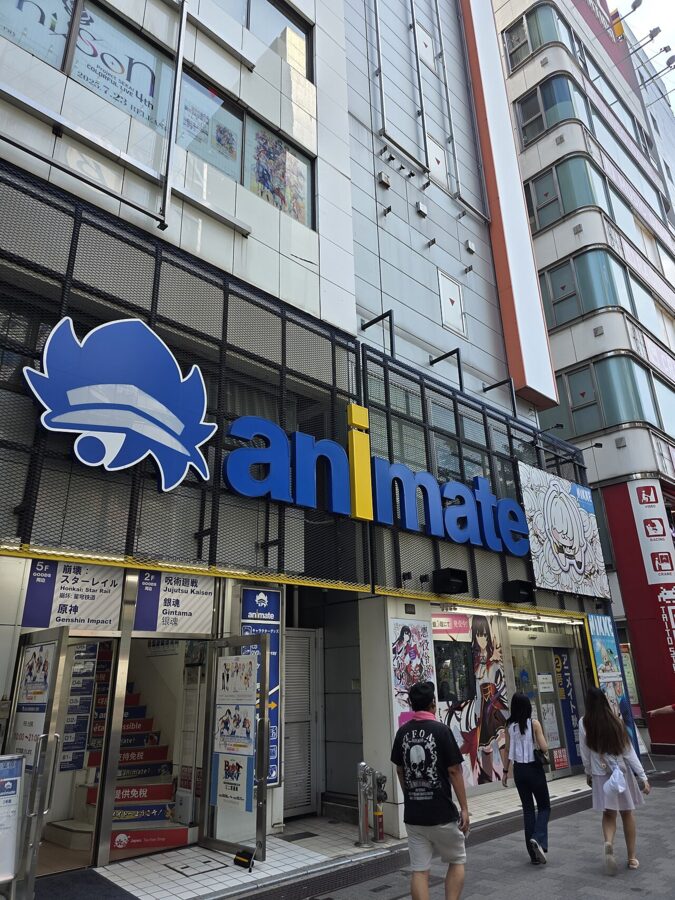
Buildings 1 and 2 open 10:00 to 21:00 every day; the ANNEX closes at 20:00 on weekends and holidays. Animate is tax-free and takes most cards and IC transit cards.
Kotobukiya
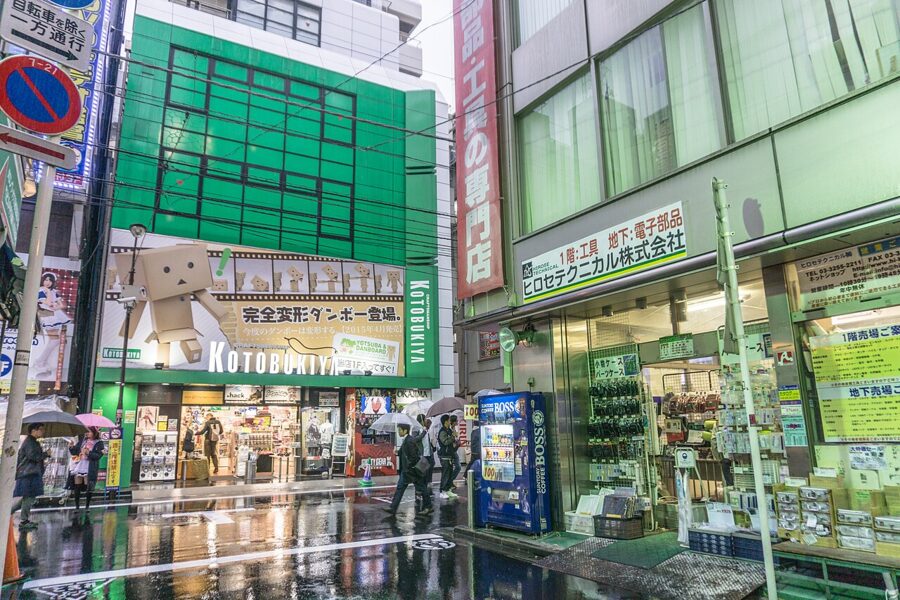
Kotobukiya, the figure and plastic-model maker, uses its five-story Akihabara building at Sotokanda 1-8-8, about 3 minutes from the station, as a flagship. The ground floor holds official shops for series such as Monster Hunter, 2F its own figures and kits, 3F and 4F VTuber goods, and 5F pop-up events. It opens 11:00 to 20:00 and is tax-free.

Mandarake Complex
Mandarake Complex, at Sotokanda 3-11-12 on the Ura-Akiba side, is eight floors of second-hand stock in a black tower, about 4 minutes from the Electric Town exit. It opens at noon, 12:00 to 20:00, every day of the year, which makes it the last big shop to open. Shonen manga and vintage magazines are on 3F, doujinshi on 4F and 5F, and the top three floors are toys: plastic models and prize figures, tokusatsu and die-cast, then bishoujo and robot figures on 8F.
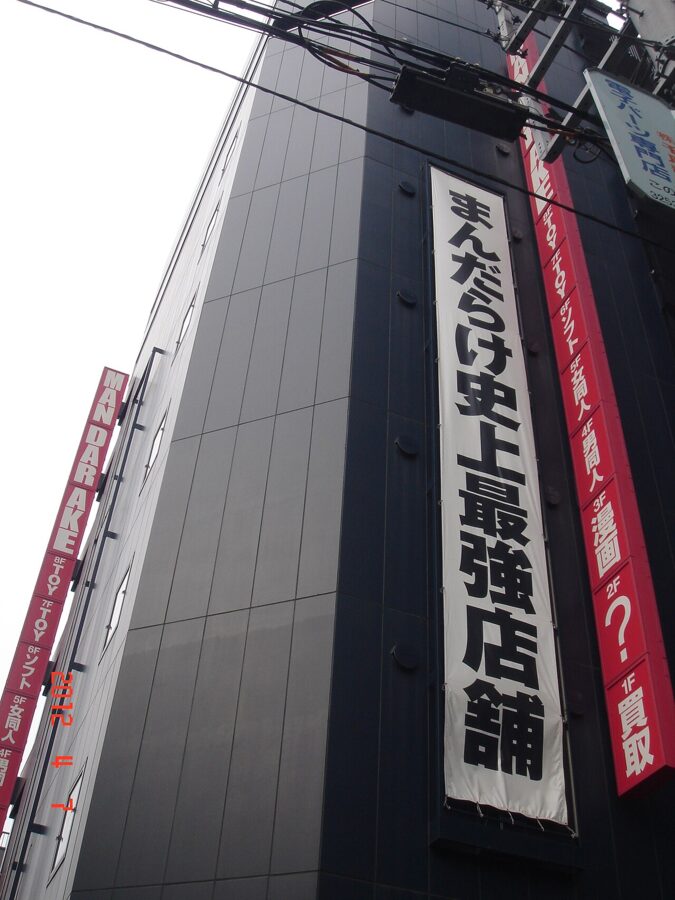

The ground floor is the buyback counter and cosplay, and 2F is Disney. Mandarake is the place for something out of print, or a figure from a series that ended years ago.
Second-hand or new
Buy new when the item is still in production: Animate, Kotobukiya and AmiAmi will have it at list price, often with a store bonus. Buy second-hand when it is not, and expect to pay over the original price for anything popular. The second-hand shops grade condition on the tag; look for 未開封, “unopened”, if the box matters.
Prize figures, the ones won from crane games, are a third category. The second-hand shops sell them in bulk, often for less than it would cost to win one.
Capsule toys
Gachapon, the capsule-toy machines, are everywhere in Akihabara, from Animate’s ANNEX floor to the walls outside the electronics stores. Akihabara Gachapon Hall is the dedicated shop. Each machine shows its price, usually a few hundred yen paid in ¥100 coins, and the prize is random, which is the point.
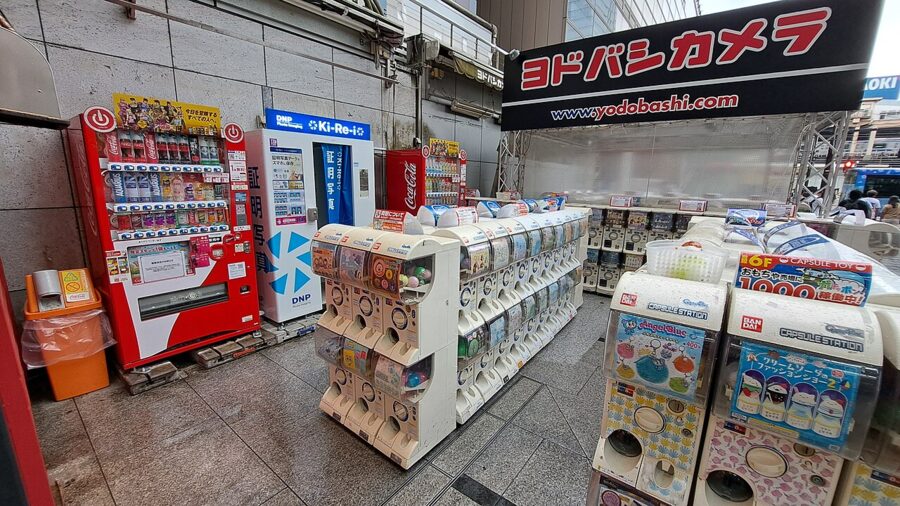

If you are planning a trip around an anime event, note that AnimeJapan, the spring trade show, moves to Osaka in March 2027.
Maid cafes: how they work and what they cost
A maid cafe is a themed cafe where the staff play maids and greet you as their master or mistress returning home. They draw on your omurice in ketchup, cast a “make it delicious” spell over the food and sing on a small stage. It is pure performance, and it works best if you play along.
The price structure
Most maid cafes charge an entry fee by the hour, plus what you eat and drink. At maidreamin, the chain that opened its first shop in Akihabara in 2008 and now runs seven branches here, entry is ¥880 (about $6) per adult per hour, with lower rates for students, children and over-60s (as of November 2026). The chain’s own estimate of a visit is ¥1,650 (about $11) and up for a drink and a rest, and ¥3,000 to ¥5,000 (about $20 to $33) for a meal.
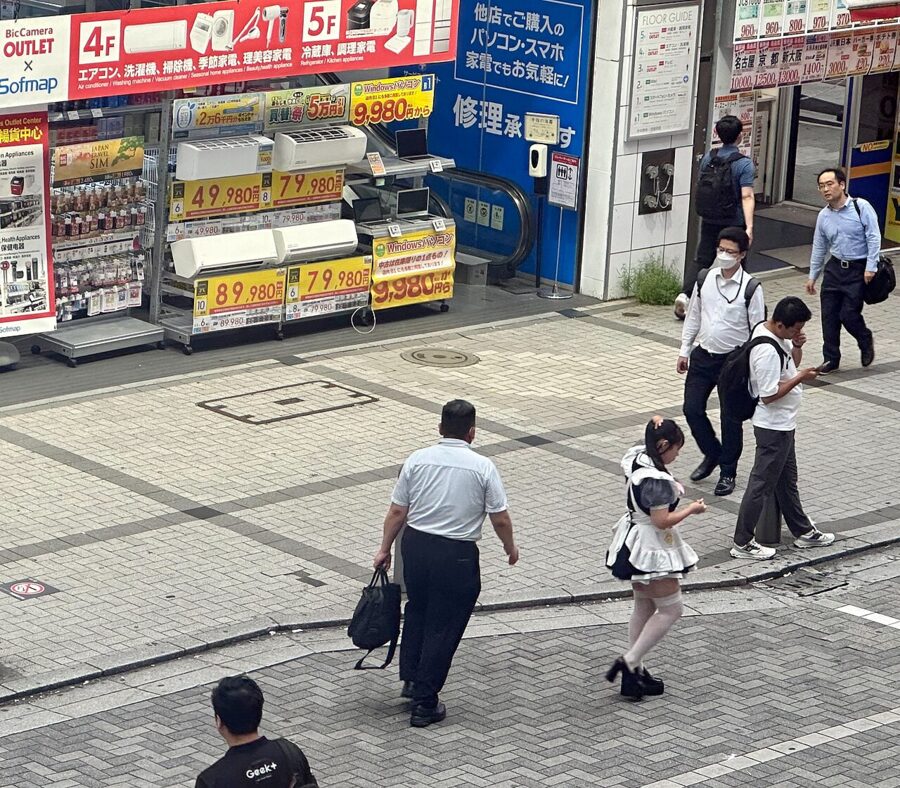

Extras cost more. A cheki, the instant photo taken with a maid, is a separate charge, as are the stage performances and games on the menu. After 22:00 maidreamin switches to a single last-entry price of ¥2,600 (about $17) including one drink, and in the evening some branches turn into a maid bar with drinks plans.
The rules
You may not touch the maids, and you may not photograph them or the other customers. At maidreamin you can photograph your food and drink, as long as no staff or other guests are in the frame. Photos with a maid are what the paid cheki is for. Gifts for individual staff are not accepted either.
maidreamin and @home cafe are the two names most first-timers choose, and both are set up for tourists. @home cafe’s maids joined the ward’s street cleanup on Chuo-dori in November 2026, which says how established the trade now is.
The girls with flyers
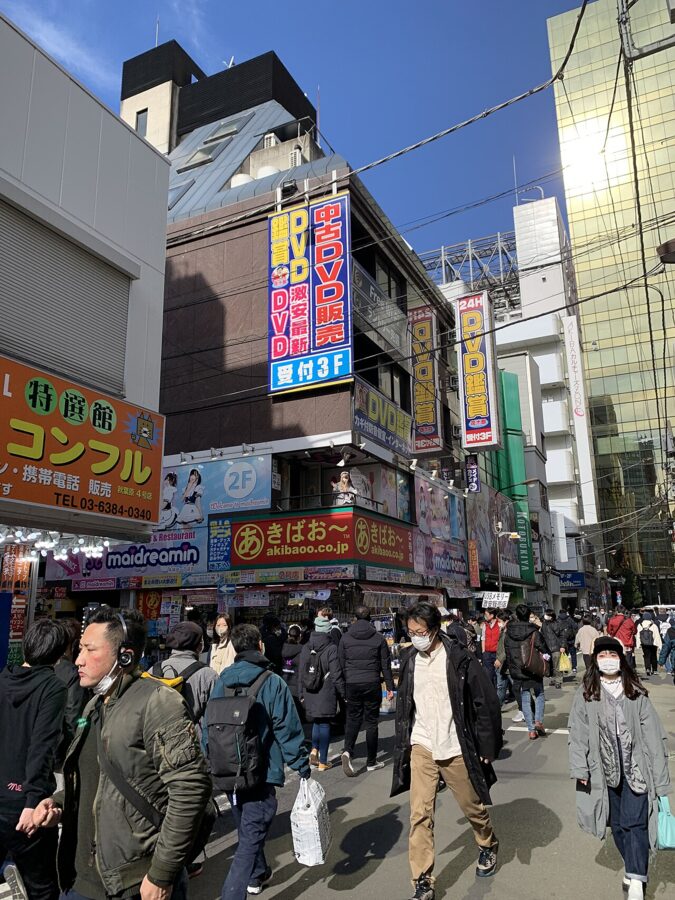

The young women standing on the sidewalks in costume are handing out flyers for maid cafes and concept cafes, small themed cafe-bars with a costume concept. Most are what they look like. Japanese media have reported complaints of overcharging at some concept cafes, though, where drink charges can add up fast.
My rule: go to a cafe whose price list you have seen, online or at the door, and do not follow anyone upstairs to a place you cannot price.
Sunday car-free hours on Chuo-dori
Every Sunday, Chuo-dori closes to cars and becomes a hokoten, a “pedestrian heaven”. The section is about 570 meters, from the Manseibashi intersection at the south end to the Sotokanda 5-chome intersection at the north. Hours are 13:00 to 18:00 from April to September and 13:00 to 17:00 from October to March (as of November 2026).
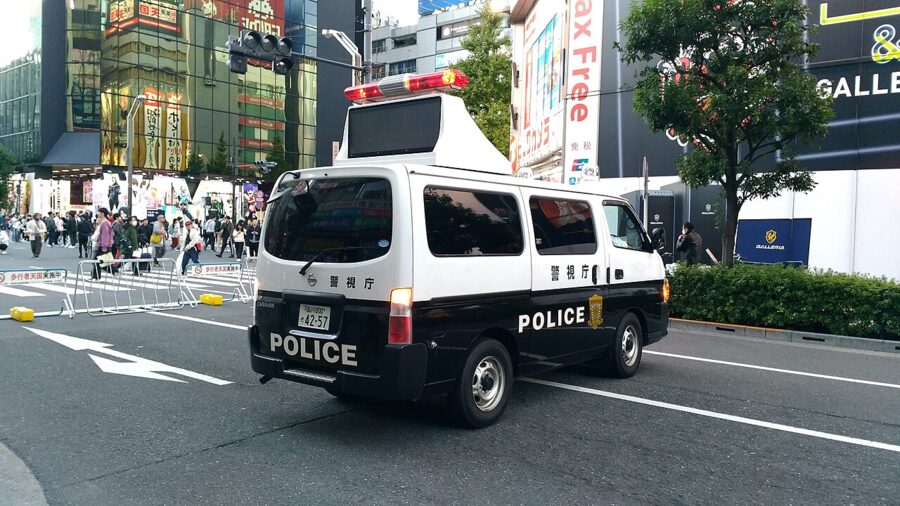

The police can cancel it at short notice in rain, strong wind or bad weather, and it is off over the New Year holidays. In the 2025 to 2026 season, they listed December 28 and January 4 as closed. If you are planning a Sunday around it, check the morning’s weather, not just the calendar.
The car-free Sunday has a history. It was suspended after a deadly attack on the street in June 2008 and only returned, on a trial basis, in January 2011. What you get today is a calm street to walk down the middle of, not a festival.
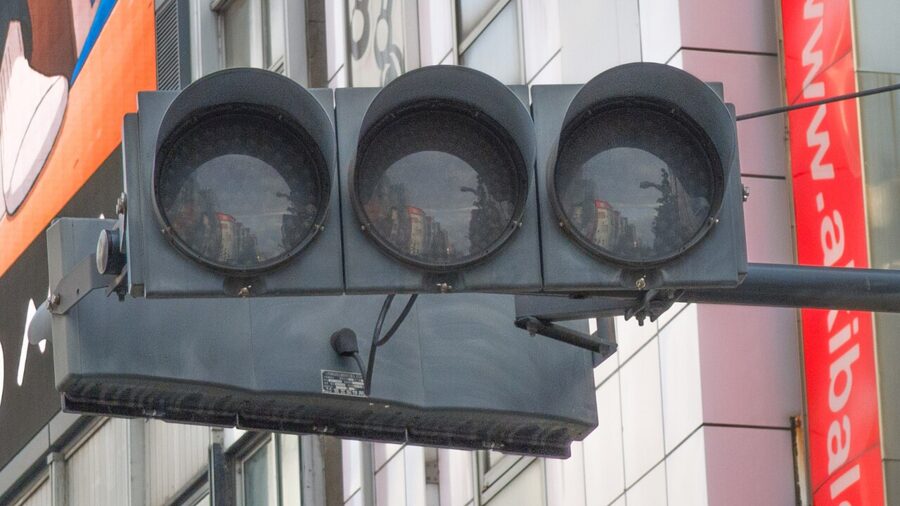
One new detail makes the street easier. Tokyo is short of public bins, but since November 8, 2026, Chiyoda City has put 22 smart bins at 10 spots along Chuo-dori and around the station, for general waste and for bottles and cans. Use them; there are few others.
Kanda Myojin: the shrine up the hill
Kanda Myojin, at Sotokanda 2-16-2, is seven minutes’ walk from the Electric Town exit, and five from Ochanomizu or Suehirocho. It is a working Shinto shrine with a history that long predates the electronics trade, and it has become Akihabara’s shrine in every sense: the wooden prayer plaques by the hall are often covered in hand-drawn anime characters.
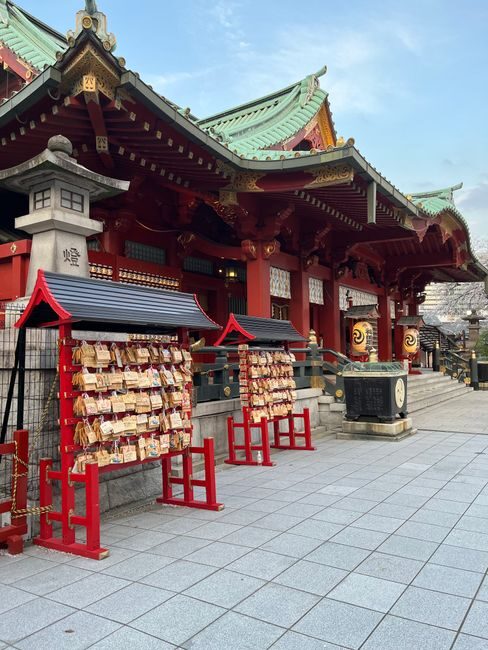
Shrines open before the shops, so Kanda Myojin is the right first stop on a full day. The shrine’s culture center, with EDOCCO STUDIO in its basement, hosts events tied to the district: the Akihabara Tourism Promotion Association held its AKIBA Subculture Summit there on August 15, 2026, with talks on Akihabara and trading card culture.
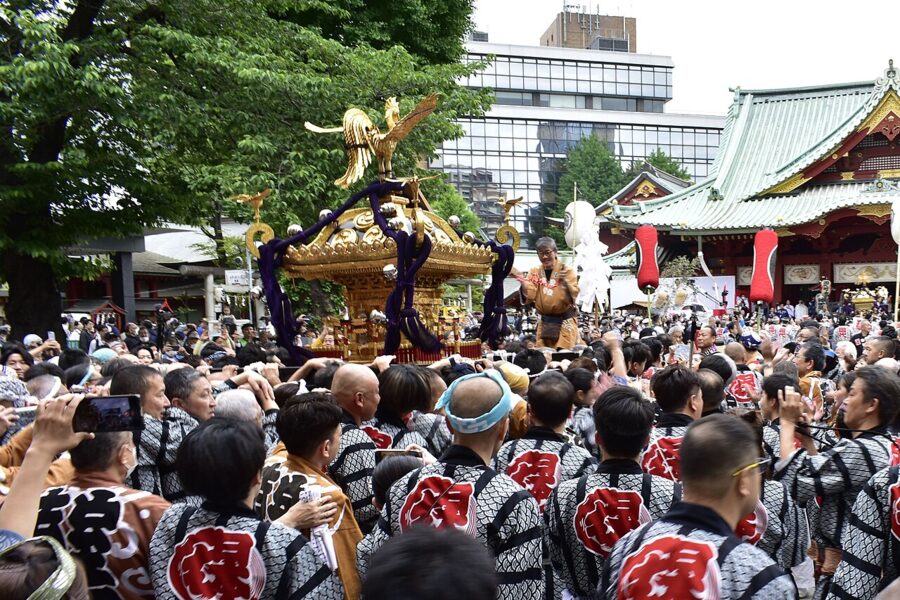

The Kanda Matsuri, one of Tokyo’s great festivals, is held every two years. The last was in 2025, so the next is due in 2027; the shrine has not yet published the dates (as of November 2026).
Tax-free buying after November 2026
Japan changed its tax-free shopping on November 1, 2026. Under the old system, a store simply took the consumption tax off at the till. Under the new refund method, you pay the full tax-inclusive price, and the tax comes back to you after you leave.
- Minimum spend: ¥5,000 (about $33) or more, before tax, at one store on one day.
- At the store: carry your passport, and ask how the refund will be paid, because the Japan Tourism Agency leaves the refund method to each tax-free shop.
- At departure: within 90 days of purchase, scan your passport at a tax-free terminal at the airport before you board. A green result means you are done; a red one means customs will check the goods.
- Keep it with you: the goods must be in your possession at that check, so do not put them in checked baggage until customs has confirmed them.
- Do not use it here: food, drinks or cosmetics consumed in Japan lose their refund, and you must tell customs at the counter.
At major airports some travelers can do the check online through Visit Japan Web. Animate and Kotobukiya are tax-free, as are most of the big electronics stores. For figure buyers the practical change is luggage: carry the boxes on, or leave time to repack after the scan.
Opening hours and getting there
Hours as each place publishes them (as of November 2026). Holidays and events change them.
| Place | What for | Hours |
|---|---|---|
| Radio Kaikan | Figures, cards, hobby shops | 10:00 to 20:00 (shops vary) |
| Animate (Buildings 1 and 2) | New anime goods | 10:00 to 21:00 |
| Surugaya Ekimae | Retro and current games | Weekdays 11:00 to 21:00; weekends 10:00 to 21:00 |
| Super Potato | Retro games, retro arcade | 11:00 to 20:00 |
| BEEP | Retro computers and games | 11:00 to 20:00, closed Wednesdays |
| Kotobukiya | Figures and kits | 11:00 to 20:00 |
| Mandarake Complex | Second-hand manga and toys | 12:00 to 20:00 |
| GiGO Akihabara 2, 3 and 5 | Arcades | 10:00 to 23:30 |
| Hey and Hey2 | Arcades (Hey for shooting games) | 10:00 to 23:30 |
| EXBAR TOKYO plus Akihabara | Craft beer and games | 10:00 to 23:00 |
Getting there
JR Akihabara Station is on the Yamanote, Keihin-Tohoku and Chuo-Sobu local lines, with the Tokyo Metro Hibiya Line and the Tsukuba Express alongside. From Tokyo Station it is about 4 minutes on the Yamanote Line, and from Shinjuku about 18 minutes on the yellow Chuo-Sobu local without a change. Ueno is two stops north on the Yamanote Line.
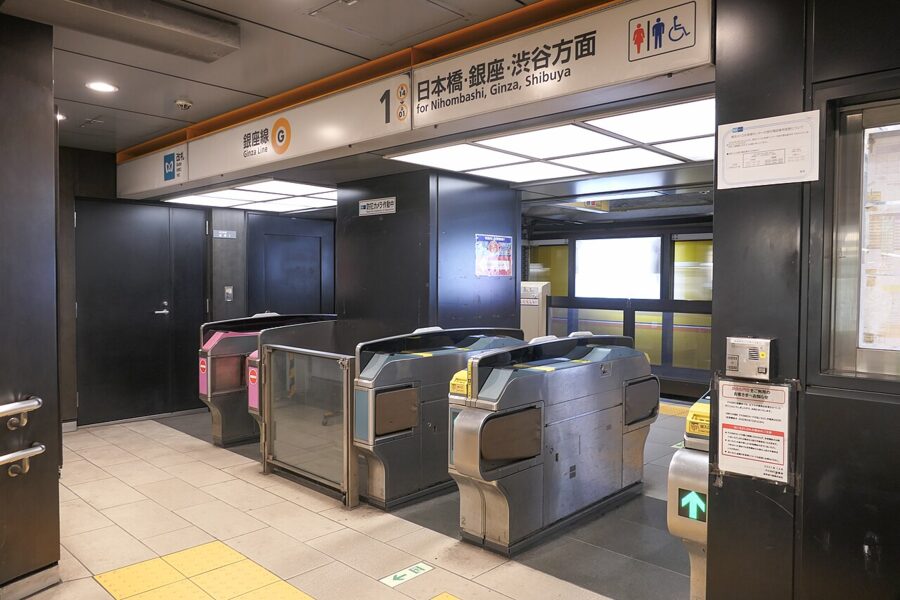
The JR lines in are covered by the Japan Rail Pass, but a pass is not worth buying for Tokyo alone; a transit IC card is simpler. Suehirocho Station on the Ginza Line serves the north end of the district, near Animate, and is the better stop if you are coming from Asakusa or Shibuya.
Half-day and full-day plans
Half a day: 11:00 to 16:00
Arrive at the Electric Town exit at 11:00. Start at Radio Kaikan, open since 10:00, then cross to Super Potato and try the arcade on 5F. Walk to Surugaya Ekimae to compare prices on anything you liked.
Eat around 12:30, then cross to the back street for Mandarake Complex, open since noon. Finish at GiGO Akihabara 3 or Hey. Five hours is enough if you buy decisively, and not enough if you collect.
A full day: 9:30 to 23:00
Start at Kanda Myojin at 9:30, before the shops open, and walk down to Chuo-dori for 10:00, when Radio Kaikan and Animate open. Do the north end first: Animate, then the shops near Sotokanda 3-chome, then BEEP under the tracks toward Okachimachi, unless it is a Wednesday. Mandarake Complex fits at noon on the way back south.
Afternoon is for the station end: Super Potato, Surugaya and Kotobukiya. On a Sunday, time it so you are on Chuo-dori between 13:00 and 17:00 in winter, or 18:00 in summer, and walk the car-free street from end to end. Book an hour at a maid cafe for late afternoon, then spend the evening in the arcades, which run until 23:30, with EXBAR for a beer between them.
During Tokyo Game Show week in September, Akihabara is the shopping half of the trip, and it is one change from the show by train.
Whatever you plan, set your alarm by the shutters. Be at the Electric Town exit at 11:00, and let the rest of Akihabara open around you.