
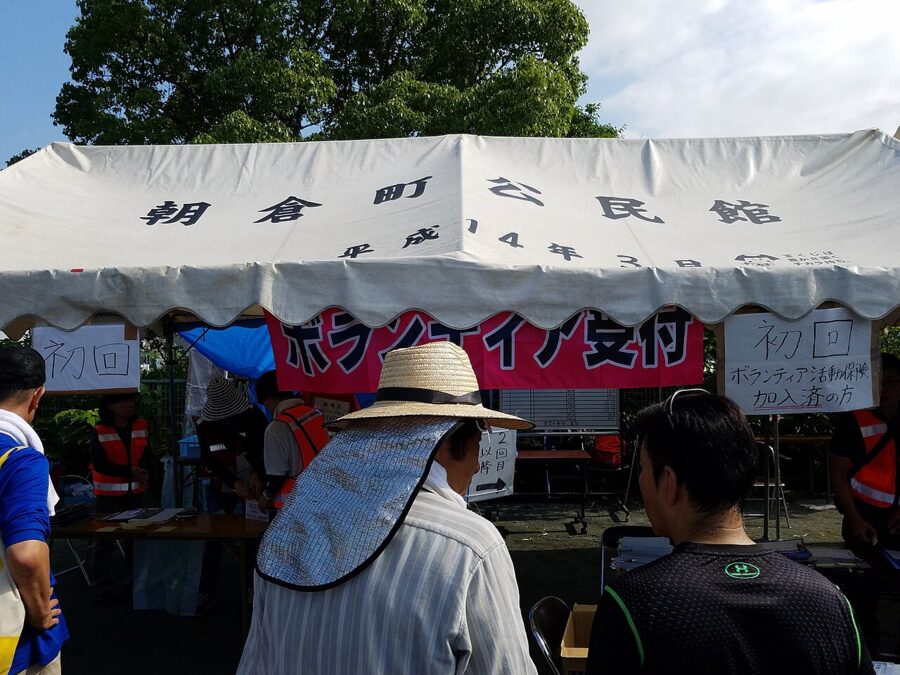
Most volunteering in Japan comes down to one test: are you giving your time away, or trading it for a bed and meals? A tourist entry covers the first. The second is where plans go wrong, so settle it before you pick a farm, a hostel or a flood zone.
The giving-away kind is easier to find than most people expect. Tokyo’s Second Harvest Japan food bank books 2.5-hour shifts online, the Tokyo Marathon runs an international volunteer entry for its water stations, and Japan’s disaster volunteer centers open within days of a flood or earthquake. The 2011 tsunami coast, where volunteers once shoveled mud by the hundreds of thousands, now asks something different of you: come, look, listen and pay the admission.
The routes open to a visitor run from a single morning to a full year, and the visa rule decides which of them you can use. Ishinomaki, the city that took the heaviest losses in 2011, is the place to see what volunteers did then and what the coast asks of visitors now.

On this page
- What a tourist entry lets you do
- The routes side by side
- Disaster relief: how the volunteer centers work
- WWOOF and farm stays
- Workaway, Worldpackers and hostel swaps
- Short shifts in Tokyo, and race day
- Volunteer guides: the help runs the other way
- The 2011 tsunami coast: Ishinomaki then and now
- Questions to ask before you sign up
What a tourist entry lets you do
Most visitors arrive on Temporary Visitor status (tanki taizai, 短期滞在), with or without a visa depending on the passport. The Immigration Services Agency defines it as a short stay for sightseeing, recreation, sports, visiting relatives, inspection tours, attending lectures or meetings, business liaison “and other similar activities”, with periods of stay of 90, 30 or 15 days. Anything that brings in income or remuneration needs a different status of residence.
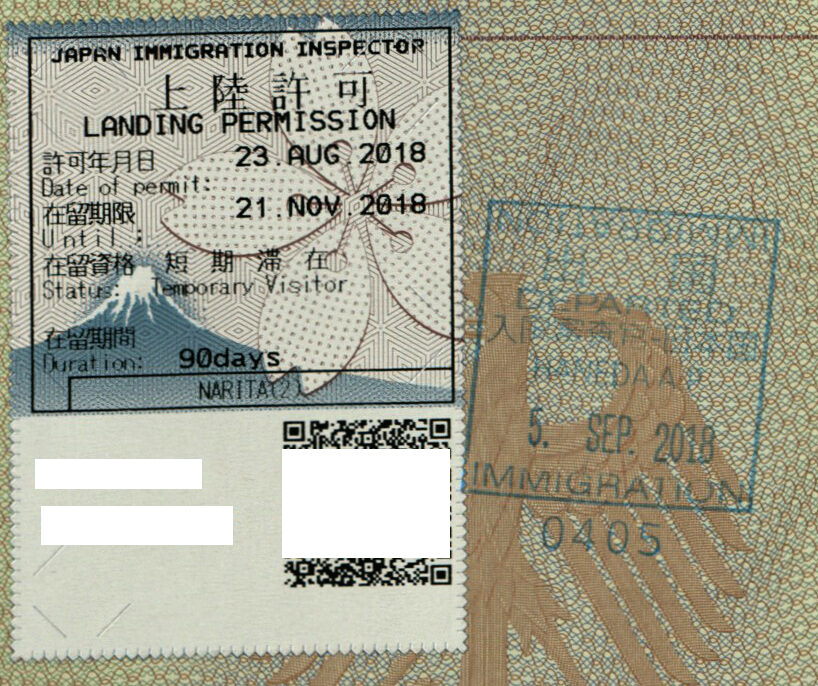
Plainly unpaid help sits comfortably inside that line: a morning at a food bank, a race-day water station, a day with a disaster volunteer center where you bring your own lunch. The gray area is the arrangement where a host gives you a room and meals in return for set hours of work. The immigration rules don’t name it, but room and board traded for a fixed timetable looks a lot like wages in kind, and the person who carries that risk is you, at the arrivals desk.
WWOOF Japan’s own immigration note is frank about this. It says about 20% of its participants are tourists on Temporary Visitor status, describes the arrangement as friendship rather than employment, and reminds members that immigration officers at the port decide who comes in. My read: a week or two on a farm inside a holiday is the common case, while three months of back-to-back work-for-board stays is a job search with extra steps.
If you want the longer version, two statuses fit it properly. The Working Holiday program lets young people from partner countries stay for up to a year and take work; Japan had 32 partner countries and regions as of April 2026, according to the Ministry of Foreign Affairs, and the United States is not one of them. British nationals also have a dedicated Volunteer Visa for up to a year of voluntary work with a charitable organization, applied for through Japan’s consular missions in the UK.
Before booking anything longer than a couple of weeks of help, describe the plan to the Japanese embassy or consulate that serves your country and ask whether it fits. If the truthful description of your trip sounds like a job, it needs a visa that allows one.
The routes side by side
| Route | What you pay | Typical length | Japanese needed | How to join |
|---|---|---|---|---|
| Disaster volunteer center | Your own travel, food and kit; volunteer insurance ¥350 to ¥500 (about $2 to $3) a year | One day at a time | Briefings in Japanese | Check the center’s own page; many take local residents only |
| WWOOF Japan farm stay | ¥5,500 (about $35) yearly membership | A few days to a few weeks | Varies by host | Join online, then message hosts |
| Workaway or Worldpackers | $69 (Workaway, one person) or $49 (Worldpackers) a year | One to several weeks | Varies by host | Paid membership, then apply to hosts; best on a Working Holiday visa |
| Food bank shifts in Tokyo | Nothing | About 2.5 hours a shift | Sign-up pages in Japanese | Register once, book each shift online |
| Tokyo Marathon water stations | Your own transport and meals | Race day plus kit pickup | English entry form | VOLUNTAINER membership, autumn entry window |
| Ishinomaki memorial sites | Free to ¥600 (about $4) a site | One full day | English tablet at Kadonowaki | Turn up in opening hours; book storyteller guides ahead |
Prices above are as of November 2026. With one free week, I would book two food bank shifts in Tokyo and spend a day in Ishinomaki. With a month and a Working Holiday visa, I would pick a farm and time it for planting or harvest.
Disaster relief: how the volunteer centers work
When a flood or earthquake hits, the local social welfare council (shakai fukushi kyogikai, usually shortened to shakyo) opens a disaster volunteer center, a saigai borantia senta (災害ボランティアセンター). Volunteers register there, get matched to households that have asked for help, and go out in teams to shovel mud, haul out ruined furniture and pull up wet flooring. The Japan National Council of Social Welfare keeps a running list of open centers and their recruitment status on its disaster volunteer pages.
Read that list before anything else, because outsiders are often not wanted. In the national council’s November 13, 2026 update, the centers opened in Chiba after the August 2026 heavy rain and Typhoon No. 25 included ones taking only Chiba residents, ones limited to their own city, ones requiring pre-registration through an app and ones that had stopped taking new sign-ups. The council also ran a special page for the July 28, 2026 Kumamoto earthquake, which reached shindo 7, the top of Japan’s intensity scale.
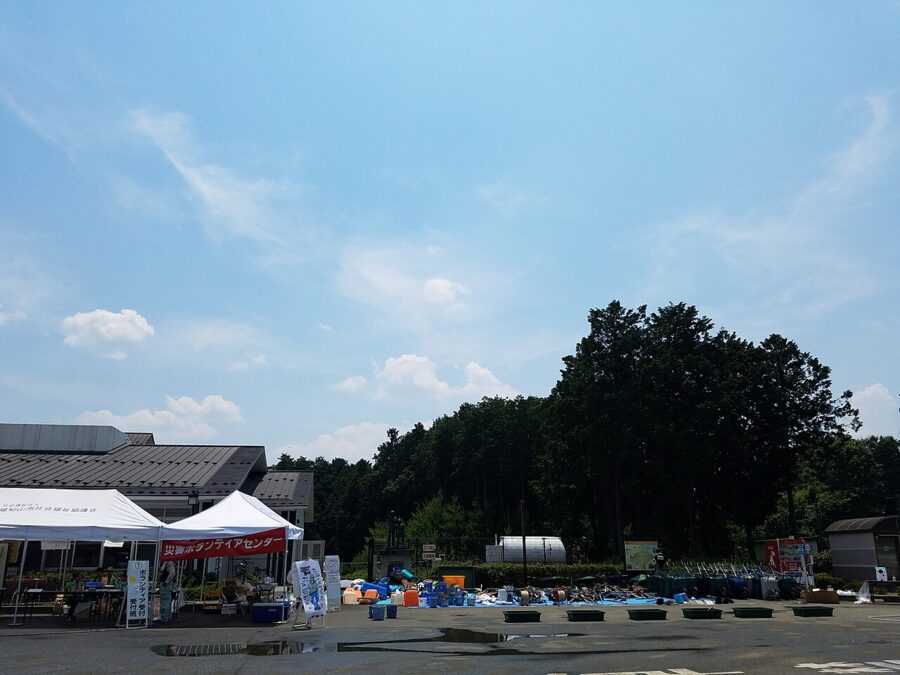

If a center does take outside volunteers, the national council’s rules are short and sensible. Get current information from the center itself, bring the right clothing for that disaster, wear something that marks you as a volunteer, send goods only if they are asked for, and buy volunteer activity insurance before you arrive. That insurance is sold at municipal social welfare council counters; for fiscal 2026 the basic plan costs ¥350 and the plan that also covers injuries from earthquakes, eruptions and tsunamis costs ¥500, valid until March 31.
During a disaster the council also opens an online route for the insurance, paid by credit card in your own name and not refundable. Expect the morning briefing, the sign-in form and the team leader to work in Japanese. I would go only with a Japanese-speaking friend or an organized group, and plan the day as if no food, water or toilet will be available on site.
The one English-language disaster route to know is Peace Boat Disaster Relief (PBV), a Tokyo NGO that offers volunteering for English speakers and makes open calls once it has assessed a disaster area. As of November 2026 its volunteer page lists no disaster relief positions and says on-site volunteering remains suspended, while it takes online volunteers for writing, translation and web work. If you are in Japan when something happens, watch that page; if you are not, a donation does more than a plane ticket.
WWOOF and farm stays
WWOOF Japan is the simplest way onto a farm. Membership costs ¥5,500 a year, paid online, and opens a list of hundreds of hosts across the country, with new ones added every month. In return for meals and a bed you help up to 6 hours a day, up to 6 days a week, and most hosts collect you from the nearest station.
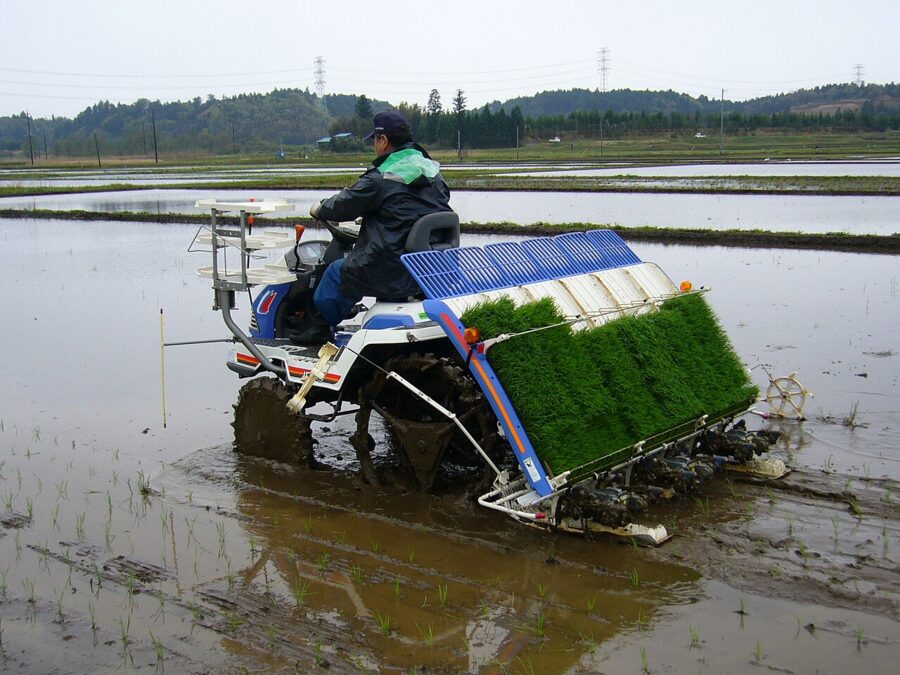

The hours are the part to settle by message before you go. Six hours of weeding in July heat is a different trip from six hours spread across feeding chickens and cooking, and a good host will tell you exactly what the day looks like. Ask about the room, the bath, what happens on rainy days, and which languages the household speaks; a week where nobody can explain the job is a long week.
Timing matters more than region. Rice farms are busiest at planting in May and at harvest from September into October, while winter in Tohoku and Hokkaido is quiet away from the ski towns. If you are still choosing a month, the best time to visit Japan for farm help is late spring or early autumn, which also keeps you clear of the June rains and the worst of the August heat.
Workaway, Worldpackers and hostel swaps
Workaway and Worldpackers list a broader mix of hosts in Japan than farms alone. As of November 2026 Workaway costs $69 a year for one person or $79 for a pair, and Worldpackers lists its membership at $49 a year. Workaway’s stated expectation is about 4 to 5 hours of help a day, 5 days a week, in exchange for food and accommodation.
This is where I would be most careful on a tourist entry. A front-desk shift at a hostel is work the hostel would otherwise pay someone to do, and Workaway itself notes that some hosts pay an allowance to stay above the minimum wage, which settles the question: that is a job. Use these platforms in Japan on a Working Holiday visa, or treat a listing as a short cultural stay with light help and agree that with the host in writing.
Short shifts in Tokyo, and race day
The cleanest volunteering for a visitor is a few hours that cost the host nothing and pay you nothing. Second Harvest Japan, the Tokyo food bank with its office in Asakusabashi, takes volunteers regardless of nationality: register once on its site, then book individual activities through its reservation system. Each activity runs about 2.5 hours, and the next month’s slots open around the middle of the second week of each month.
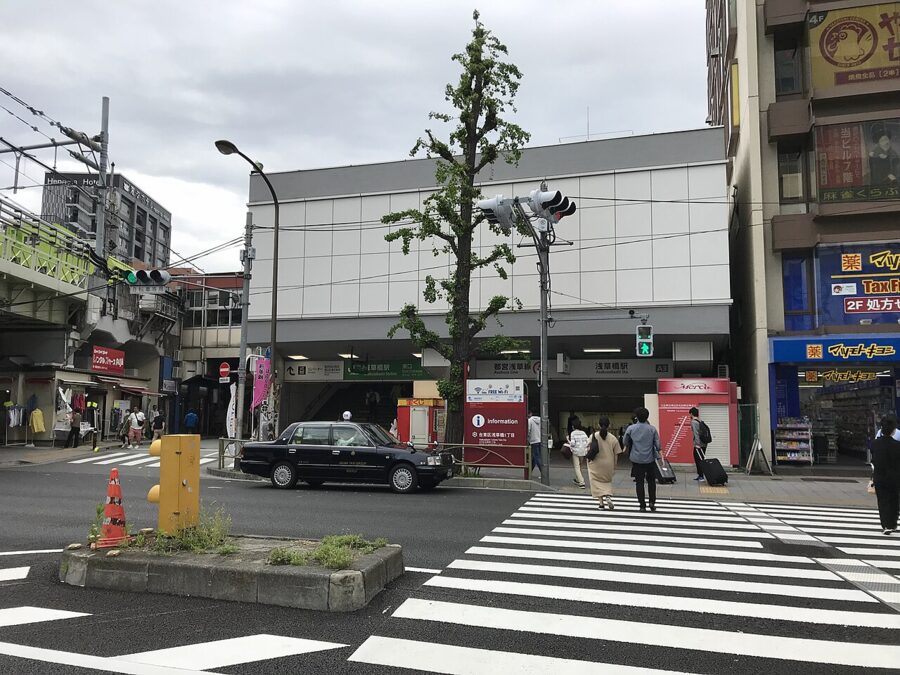

The jobs are physical and specific. You might pack food boxes of around 10 kg for households in need and move 50 to 100 of them on trolleys, sort donated food by best-before date in the warehouse, help at a pantry handout, or prepare Harvest Lunch boxes for distribution in Ueno Park. The sign-up pages are in Japanese, so keep a translation app open, and book as soon as the month opens because places are capped.
Hands On Tokyo, a certified nonprofit, runs a calendar of one-off activities with youth programs, elder care facilities and environmental projects, including English-conversation and cultural-exchange sessions. Register on its site and pick from the schedule.
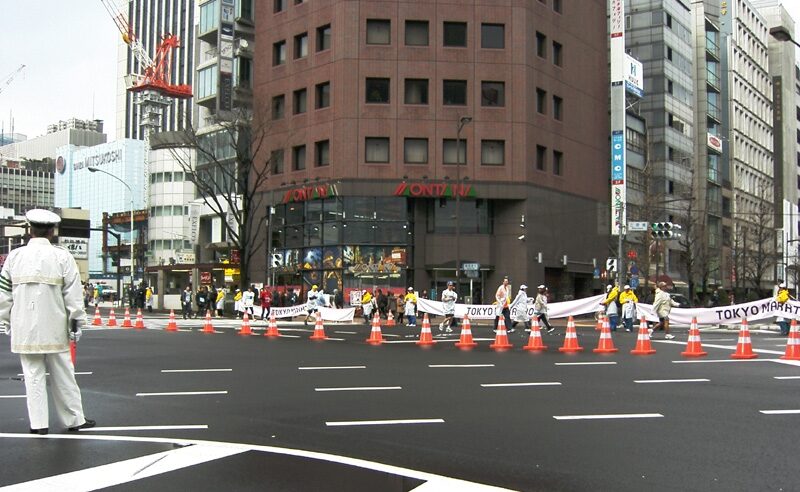
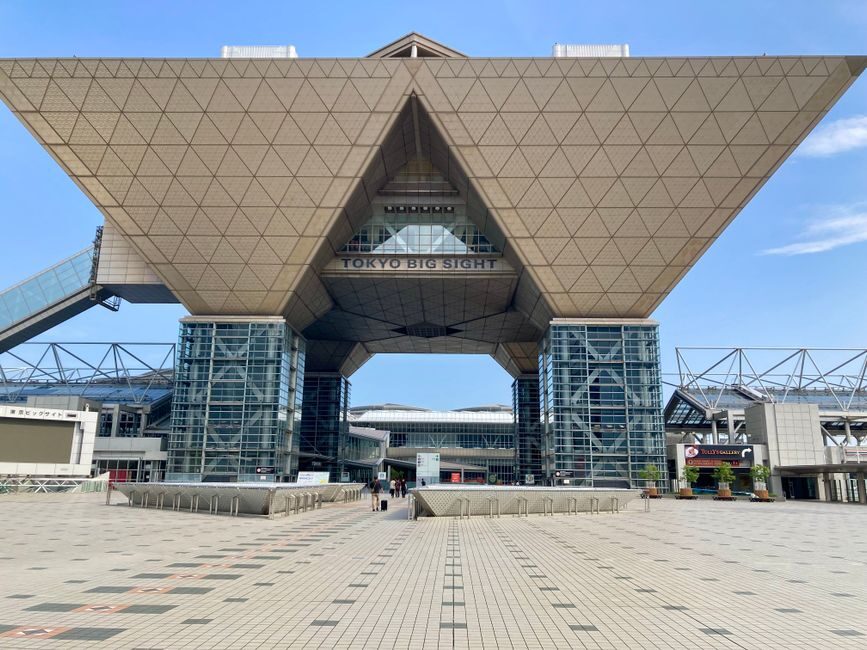
The Tokyo Marathon is the big event with a proper international volunteer entry. The global volunteer form opens each autumn for the following March’s race (for the March 7, 2027 race it ran from October 6 to November 23, 2026), first come, first served, for anyone 18 or over who joins the VOLUNTAINER club. Volunteers staff aid stations and the finish from about 08:10 to 16:40, pay their own transport and meals, and must collect their kit and confirm their identity at Tokyo Big Sight Conference Tower between March 4 and 6.

Miss that window and the same club posts calls for smaller races, such as the Tokyo New Year Half Marathon on January 10, 2027, with sign-ups open until December 13, 2026; those notices are in Japanese. If your trip is built around a fan event such as Tokyo Game Show or the World Cosplay Summit in Nagoya, those days are spoken for. A 2.5-hour food bank shift on a free Tokyo morning fits around them; a farm week does not.
Volunteer guides: the help runs the other way
Search for volunteering in Japan and you will soon find volunteer guide groups. These are residents who show visitors around their city without a guiding fee, so for a traveler they are a service to use, not a way to volunteer. Each group sets its own rules on booking ahead and on who covers the guide’s fares and entry tickets, so read them before you request a date.
Every city also has an ordinary volunteer center run by its social welfare council. Those match residents with ongoing local work, and they rarely suit someone who is in town for ten days.
The 2011 tsunami coast: Ishinomaki then and now
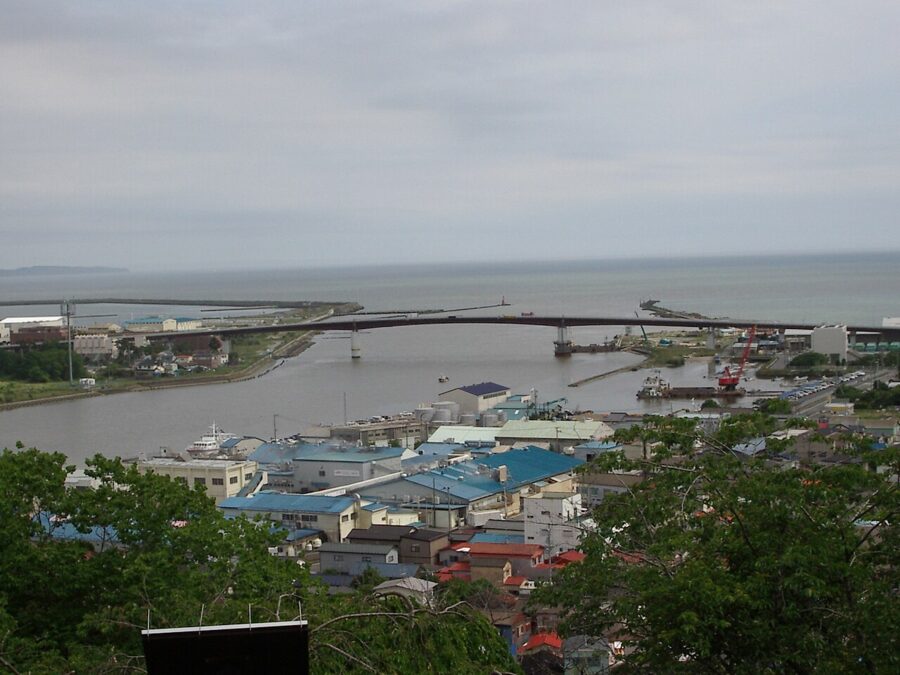
Ishinomaki lost more people on March 11, 2011 than any other municipality: 3,187 dead and 415 missing as of February 2021, most of them drowned. Through the social welfare councils’ volunteer centers alone, Miyagi Prefecture logged 766,476 volunteer turnouts between 2011 and January 2018, and the three hardest-hit prefectures 1,545,667. The national council notes that many more people worked through nonprofits outside that count.
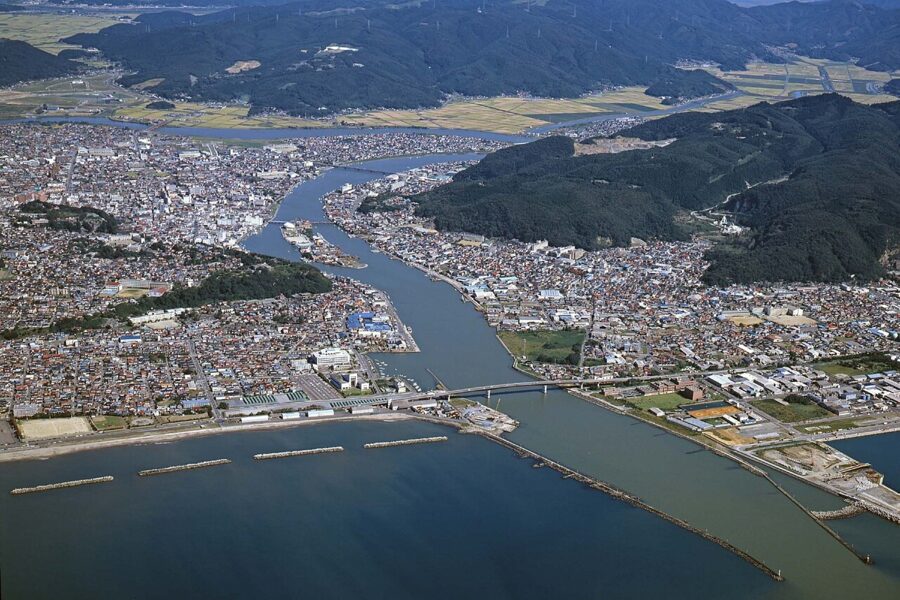

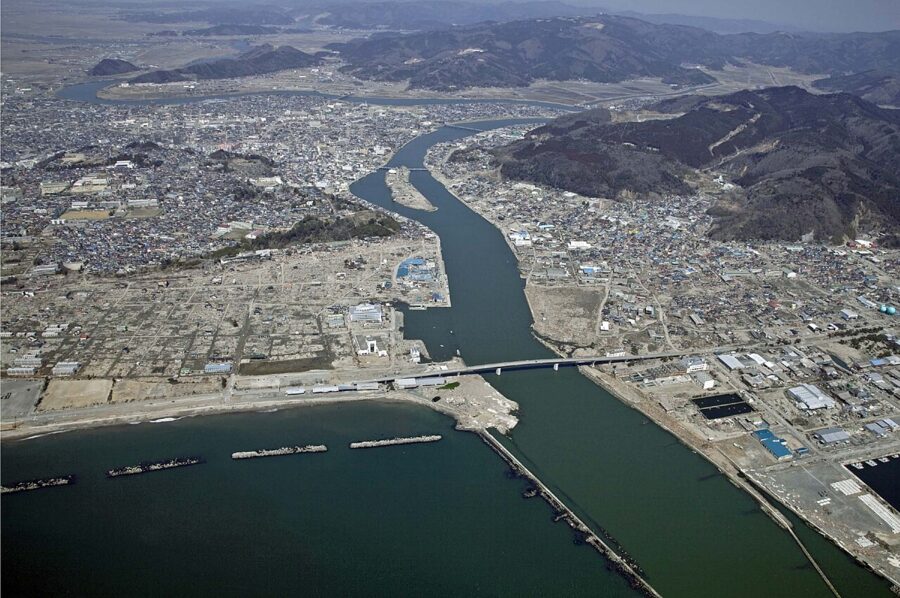

The work changed with the months. In 2011 it was mud: shoveling sludge out of houses and gutters, carrying out ruined tatami and furniture, washing salvaged family photographs. By the second and third years it had become community work in temporary housing, and the national council says volunteering in the three prefectures has since merged into ordinary local activity such as drop-in salons and checking on older residents, which is why it stopped counting in 2018.
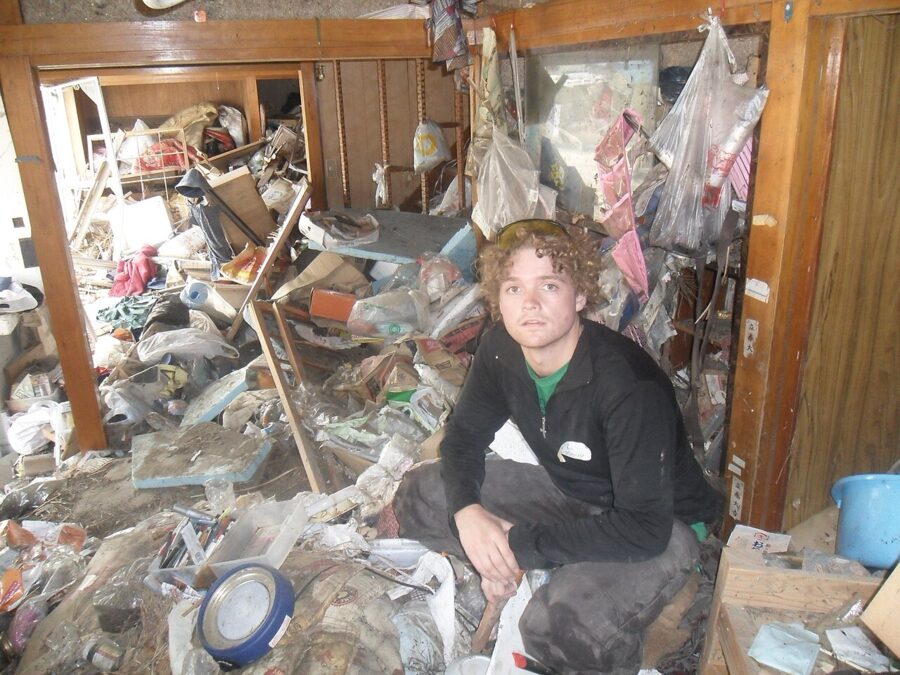

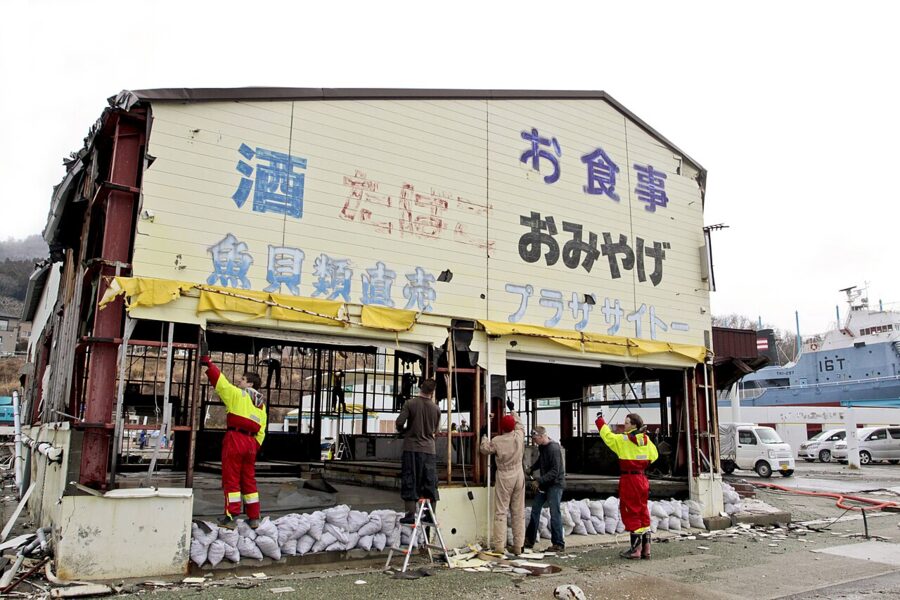
None of that is needed now, and nobody in Ishinomaki is waiting for a stranger with a shovel. What you can do is the thing the memorial sites were built for: come, walk the ground, listen to the people who explain it, and spend money in the town. Two schools tell the story better than any museum, and they tell opposite halves of it.
Kadonowaki Elementary School (門脇小学校)
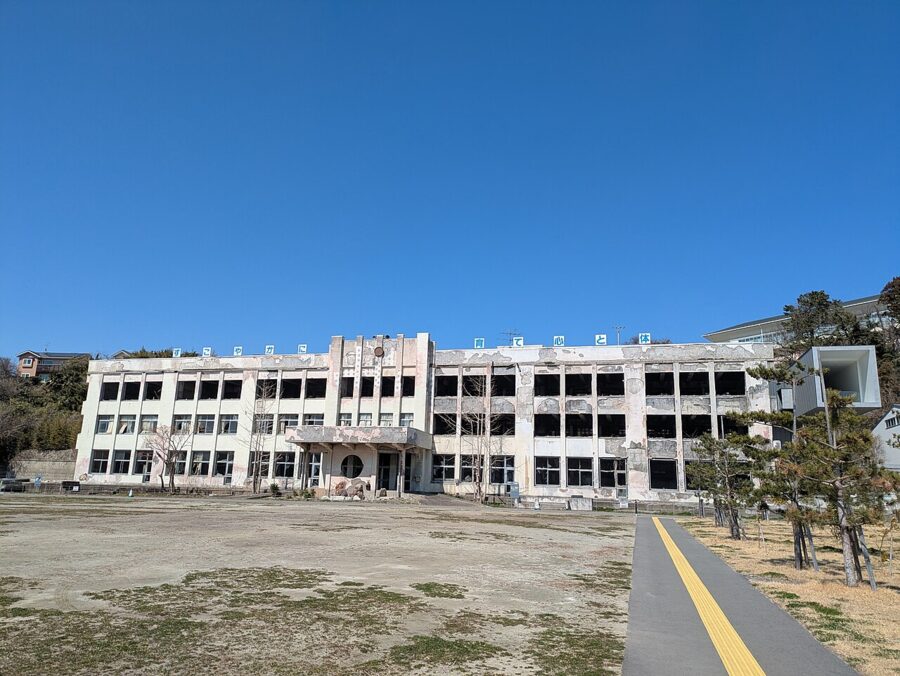
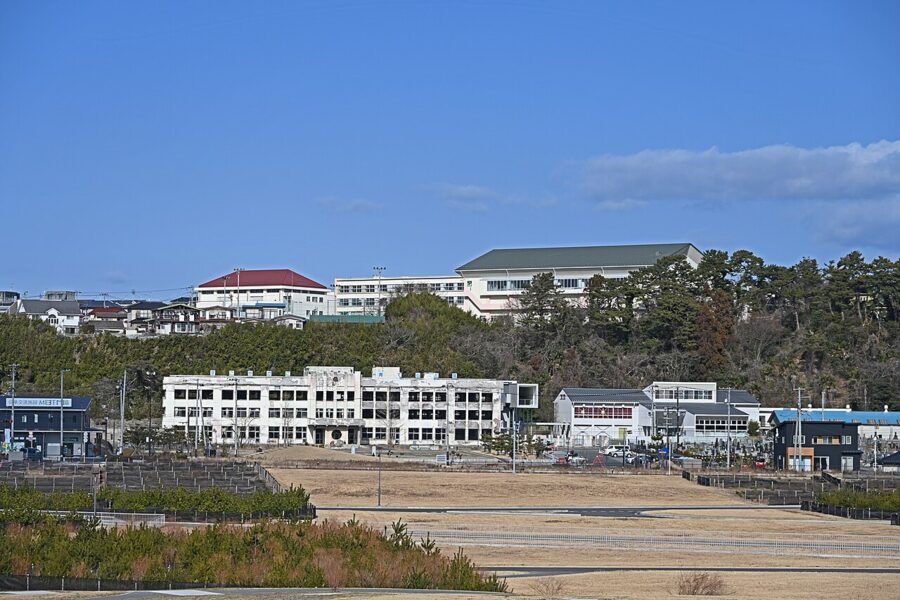
When the earthquake hit at 14:46, about 240 of Kadonowaki’s 300 pupils were still at school. Teachers led them straight up Hiyoriyama, the hill behind the school, on a route they had drilled, and sent parents who arrived to collect children up with them; 275 pupils made the climb. The tsunami then drove burning wreckage into the building, which burned for three days, and it is now the only preserved ruin of a tsunami fire in Japan.
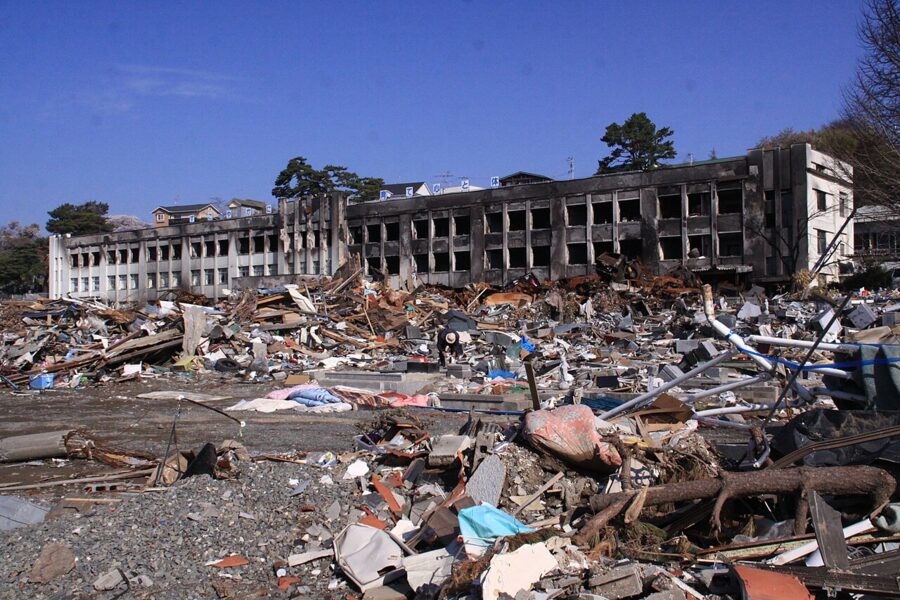

Seven pupils who had already gone home died. The city opened the school to the public as disaster remains in April 2022: you view the burned classrooms from outside through an observation building, and the old gymnasium holds an exhibition on what happened across Ishinomaki.

Hours are 9:00 to 17:00, last entry 16:00 (15:30 from November to January), closed Mondays (Tuesday when Monday is a holiday) and December 29 to January 3, though it opens on the 11th of every month. Entry is ¥600 for adults, ¥300 (about $2) for high school students and ¥200 (about $1) for elementary and junior high pupils, and a multilingual tablet with English commentary costs ¥200, all as of November 2026. From Ishinomaki Station take the Yamashita-Kadonowaki Line bus from stop 1 to Shinsai Iko Kadonowaki Shogakko-mae, about 12 minutes, or a taxi for about 10.


Minamihama memorial park and the Miyagi Tsunami Memorial Museum
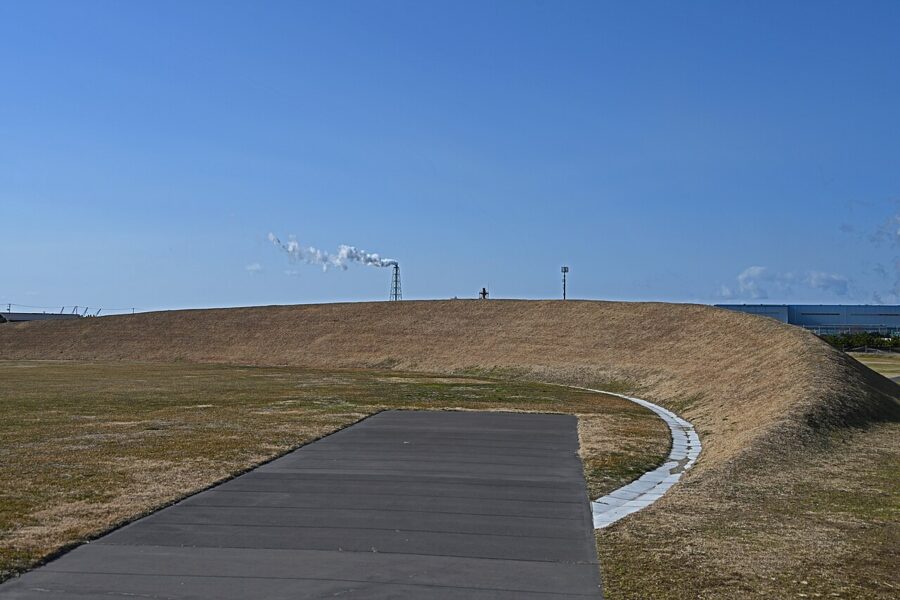
Below the school, the Minamihama district that the tsunami swept away is now the Ishinomaki Minamihama Tsunami Recovery Memorial Park, with paths, canals and raised mounds where streets used to be. The prefecture’s Miyagi Tsunami Memorial Museum stands inside it: free, open 9:00 to 17:00 (last entry 16:30), closed Mondays (or the next day after a Monday holiday) and December 29 to January 4, and open on the 11th of every month whatever the day. Allow 30 to 60 minutes, including a 12-minute film; photos are allowed everywhere except in that theater.

MEET Kadonowaki
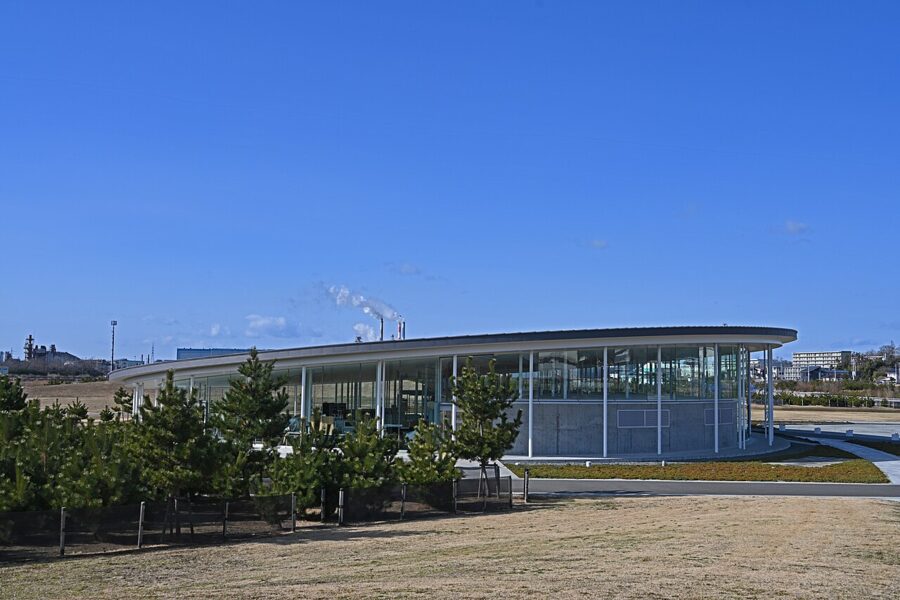
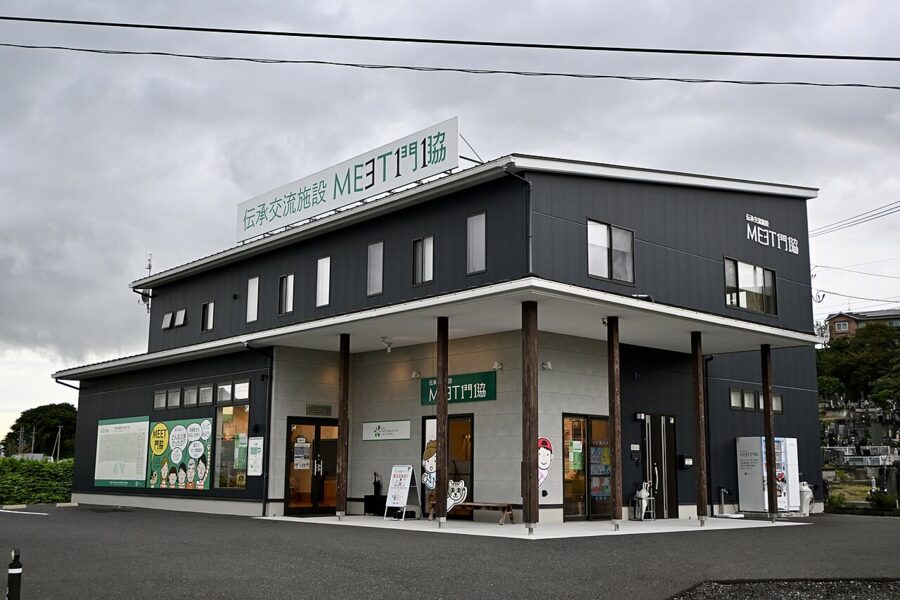
A short walk from the school, MEET Kadonowaki is a memorial and exchange center run by the 3.11 Memorial Network, a local nonprofit association. Its exhibition traces how the pupils’ evacuation set off a chain of neighbors following them uphill, told through testimony from people who were children that day. It opens 10:00 to 17:00 (last entry 16:30), closes Wednesdays and Thursdays, and costs ¥300, free for high school students and under and for everyone on the 11th of the month.

Okawa Elementary School (大川小学校)
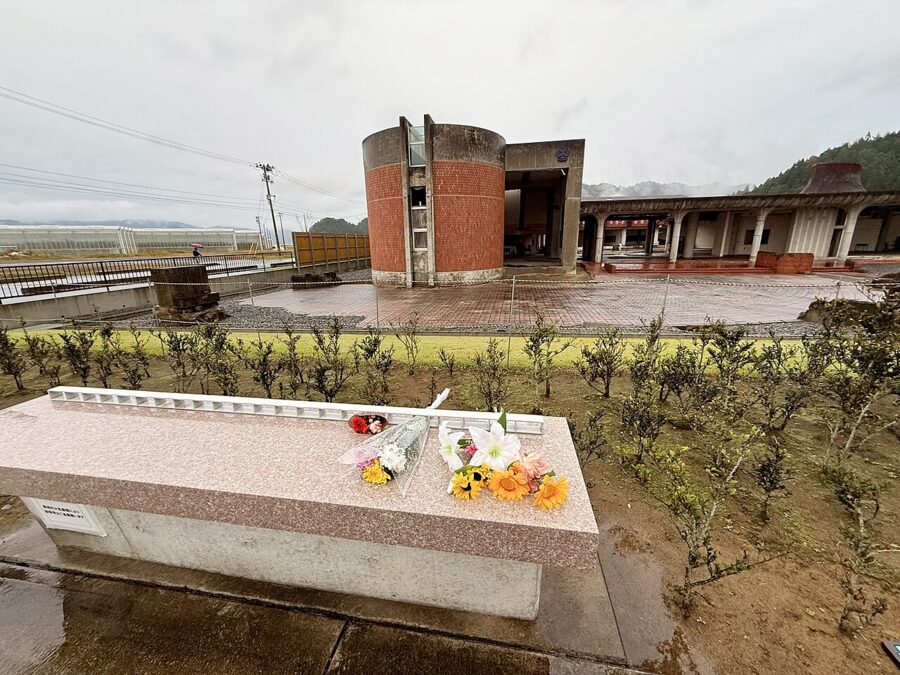
Okawa is the harder visit, and the one I would not skip. The school stood 3.9 km up the Kitakami River from the sea; after the earthquake the teachers kept the children in the schoolyard for more than 40 minutes while they argued about where to go, then led them toward a raised bridge approach instead of the steep wooded hill behind the school. The tsunami came up the river at about 15:36. Seventy-four of the 108 pupils and 10 of the 11 staff at the school died, and the families later won their court case against the city and the prefecture.
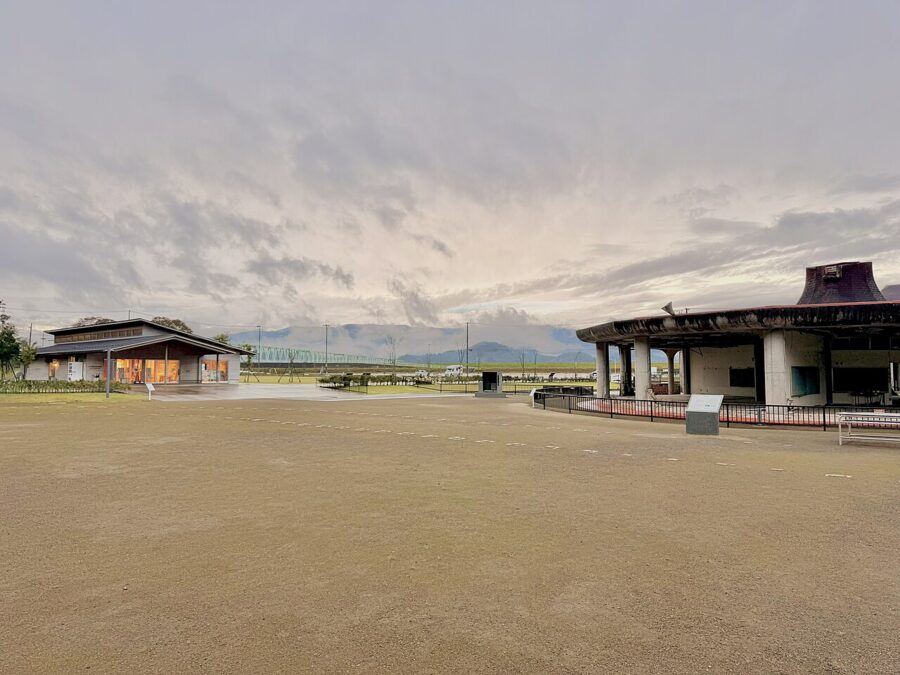

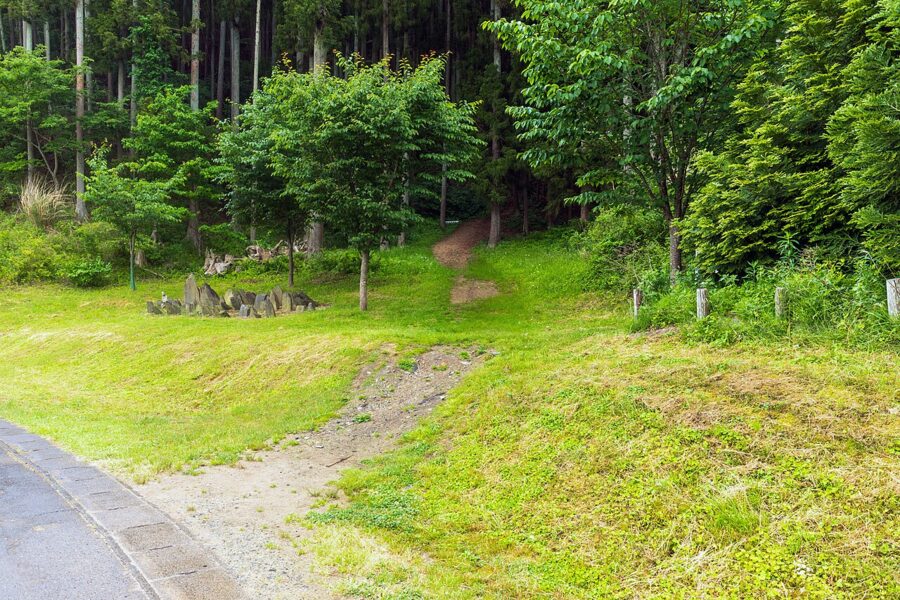

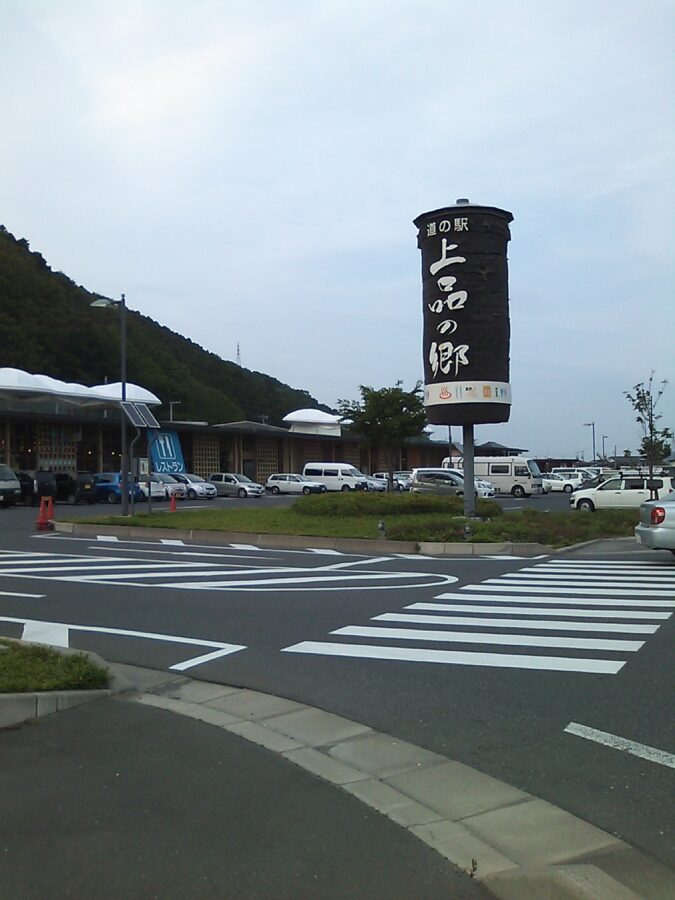
The school grounds are open 9:00 to 17:00 every day and free. The Okawa Tsunami Memorial Hall (Okawa Shinsai Denshokan) beside them keeps the same hours with last entry at 16:30, closes on Wednesdays (Thursday when Wednesday is a holiday) and December 29 to January 3, and is also free. There is only one toilet on site, so stop at the Michi-no-Eki Johon-no-Sato roadside station on the way.
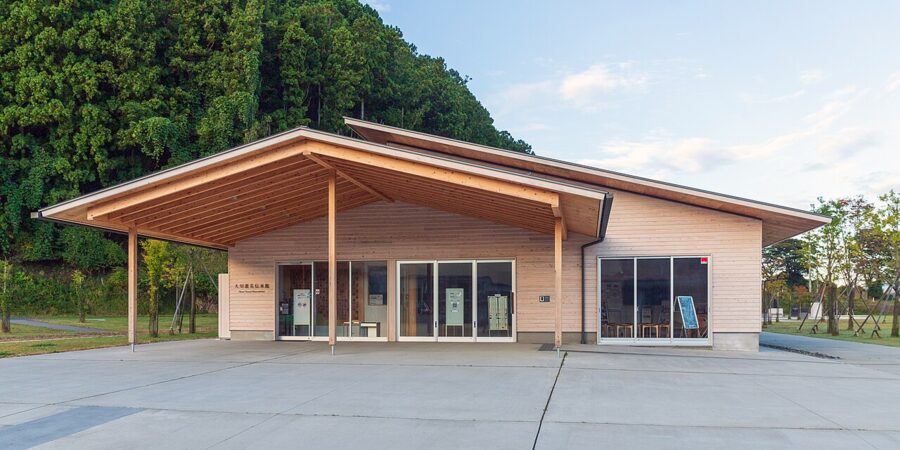

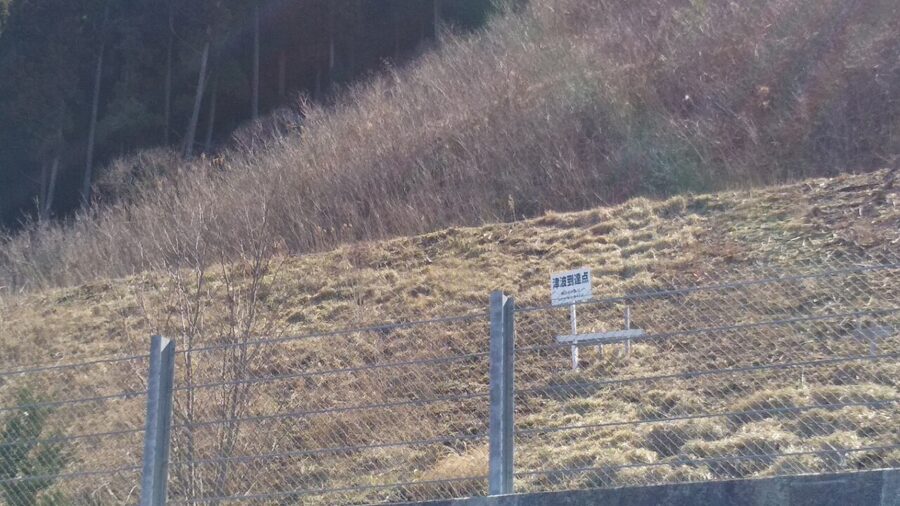

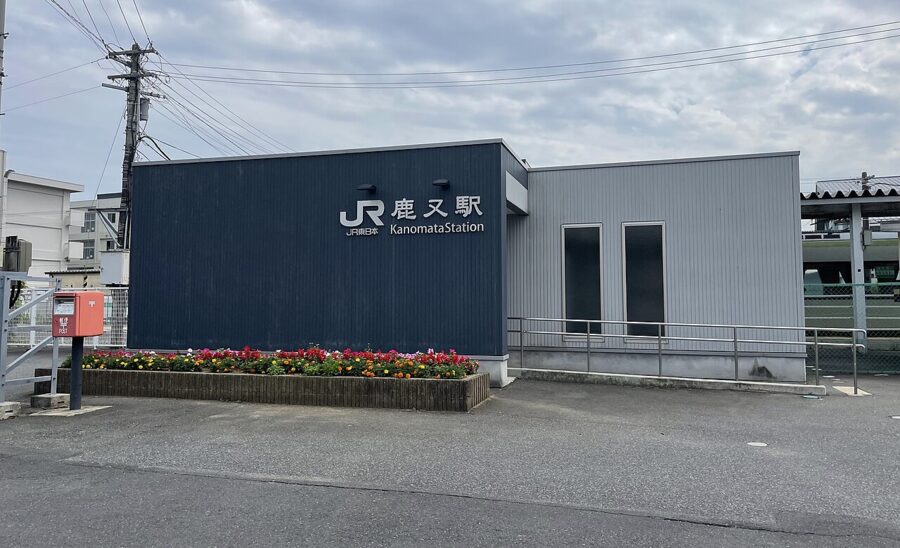
Getting there is the problem. It is about 45 minutes by taxi or rental car from JR Ishinomaki Station, or 25 minutes by taxi from JR Kanomata Station, and the only bus is a weekday-only community line from Kanomata to Kamaya-iriguchi. For the story told by people who lived it, the Okawa Denshokai storytellers give 60-minute guided walks booked through the 3.11 Memorial Network: ¥7,000 (about $44) for 1 to 10 people as of November 2026, requested at least a week ahead because they fill up.


Getting to Ishinomaki, and a one-day plan
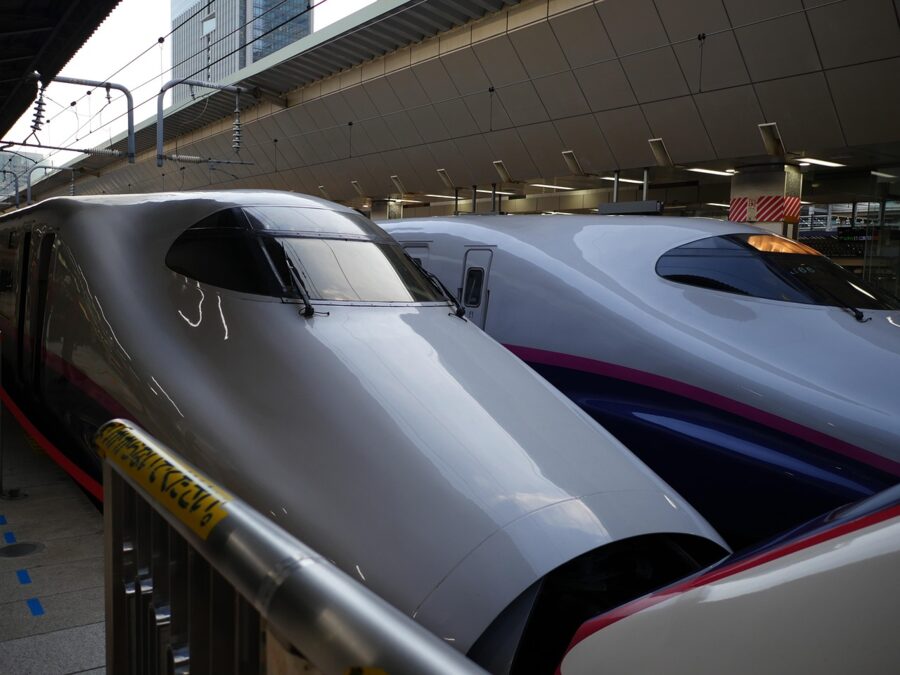
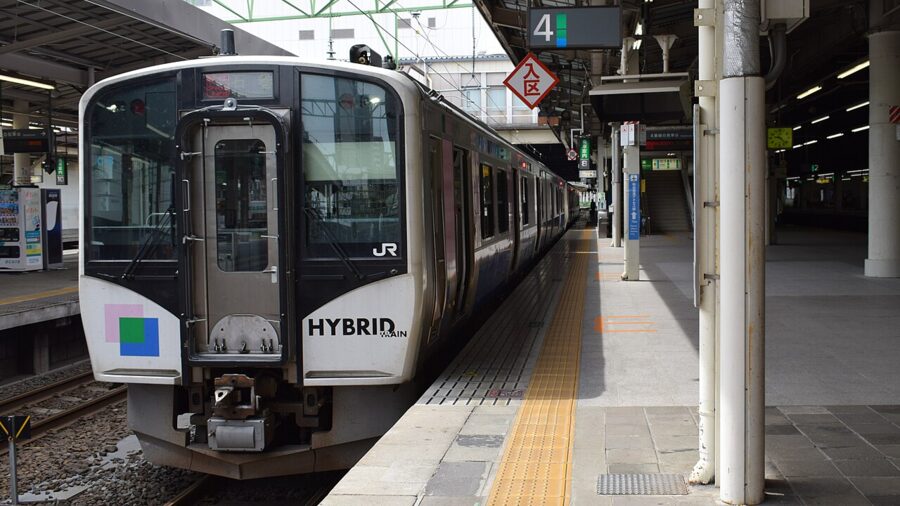
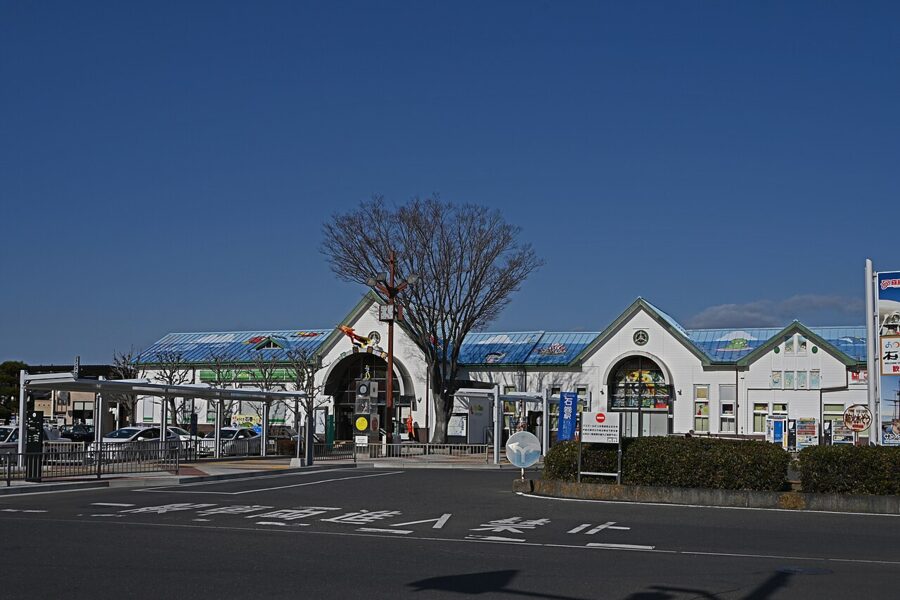
From Tokyo the fastest Shinkansen reaches Sendai in about 1 hour 36 minutes, and trains from Sendai reach Ishinomaki in about 56 minutes, according to the Ishinomaki Tourism Association. Kadonowaki, the memorial park, the museum and MEET Kadonowaki are all within walking distance of each other, about 10 minutes by taxi or 15 by rental bike from the station. Okawa is a separate half day by car.

My plan for a day from Sendai: an early train, a taxi or rental car to Okawa for opening time, back to the Kadonowaki side by early afternoon for the school, the museum and MEET, then dinner in town before the train back. Go on a Tuesday, Friday, Saturday or Sunday and every site is open, so long as no public holiday has shifted a closing day. It is a long day, and I would still do it in one.

Questions to ask before you sign up
- Who is the host, and who stands behind it? A social welfare council, a registered nonprofit or a membership network has rules and someone to complain to. A stranger’s post in a travel forum has neither.
- What exactly do I give, and what do I get? Hours a day, days a week, the room, the meals and any cash. If cash or a fixed rota of front-desk shifts is involved, it is a job and needs a visa that allows work.
- Are outsiders wanted right now? For disaster work, check the center’s own recruitment range on the morning you plan to go.
- Am I insured? Volunteer activity insurance for disaster work, and travel insurance that covers manual work for everything else.
- What language is the safety briefing in? If nobody can explain the hazards to you, you are a hazard yourself.
- What does it cost in total? Membership, the train to a rural host, and the days you are not spending somewhere else.
- How do I leave? A farm an hour from the nearest station needs an exit plan in case the stay goes badly.
Give your time away and Japan makes it easy. Book the 2.5-hour food bank shift or the early train to Ishinomaki first; both can be sorted this week, and neither needs anything but a tourist entry.