
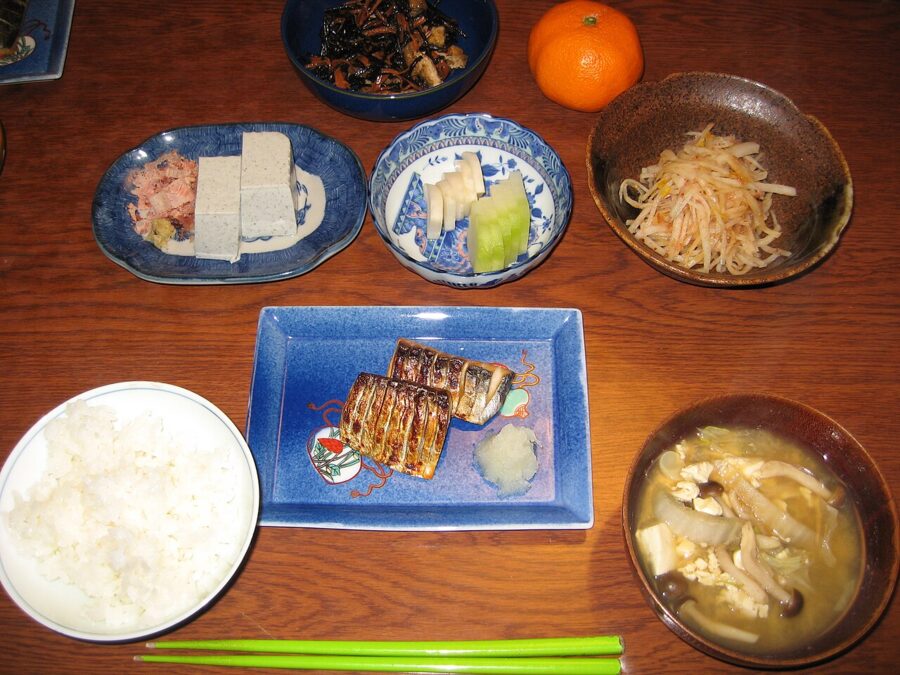
Every homestay in Japan starts with one number: how many nights. One night buys you a family dinner, a bath and a breakfast. Four weeks buys you a commute, a house key and a seat at the table when nobody is performing for the guest anymore.
Both are worth doing, but they are booked through different people, cost different amounts and sit under different entry rules. The house rules, on the other hand, are the same in a Tokyo apartment and an Oita farmhouse, and they decide whether the family asks you back. Prices are as of November 2026, converted at about ¥150 to the dollar.
The short version: if you have a week or less, book a short cultural stay through a homestay agency or a night at a farmhouse. If you are studying, let the school arrange the family. If you want to work for your board, that is volunteering, not a homestay, and it runs on different rules.
On this page
The three kinds of homestay, side by side
The word covers three different products. They overlap at the edges, but the table below is how I would sort them before booking anything.
| Short cultural stay | Language-school homestay | Farm stay (nohaku) | |
|---|---|---|---|
| Length | 1 night to a few weeks | Usually 2 weeks to a year | Usually 1 or 2 nights |
| Cost as of November 2026 | Quoted per booking: an arrangement fee plus a nightly fee | About ¥27,000 to ¥37,000 (about $180 to $245) a week plus a placement fee | ¥16,500 (about $110) per person a night with two meals in Ajimu, Oita |
| Meals | Breakfast, or breakfast and dinner | Breakfast and dinner | Dinner and breakfast |
| Booked through | A homestay agency | Your language school | A local farm-stay association |
| Entry | Tourist entry | Tourist entry up to 90 days; Student status beyond | Tourist entry |
Short cultural stays
One agency that places foreign guests nationwide is Homestay in Japan, run by the Tokyo company Nextage, which listed more than 9,800 registered host families as of July 2026. Its vacation homestay takes bookings from a single night upward, on either a breakfast-only plan or a breakfast-and-dinner plan, and there is no plan without breakfast. The price covers the registration fee, the family’s fee and a 24-hour emergency line.
What it does not publish is a price list. The fee is an arrangement charge plus a nightly rate, and the nightly rate falls the longer you stay, so you request a quote with your dates, city and meal plan. I would ask for quotes on two lengths, say five nights and ten, because the gap tells you how steep the long-stay discount is.
If a whole night feels like too much, there is a smaller version. Borderless Visit, which used to trade as Nagomi Visit, matches visitors with more than 700 hosts from Hokkaido to Okinawa for a home-cooked meal and two or three hours of conversation. The participation fee is fixed at ¥6,000 (about $40), requests have to go in at least 72 hours ahead, and you pay within 72 hours of a host’s offer. It is a dinner, not a stay, but for a first trip it answers most of what people want from a homestay in one evening.
Language-school homestays
For anyone studying, this is the simple route: the school does the matching. Schools price by the week, with breakfast and dinner included and lunch on you. GenkiJACS, which runs schools in Tokyo, Kyoto, Fukuoka and other cities, lists homestays at ¥27,000 to ¥37,000 a week in its 2026 price list, depending on the city, plus a ¥20,000 (about $135) placement fee. Its homes are 40 to 50 minutes from school on average.
ISI Japanese Language School prices its homestays in four-week blocks instead: ¥117,100 (about $780) for four weeks in Tokyo, Osaka, Kyoto or Nagano for the 2026 academic year, rising to ¥121,000 (about $805) for 2027, with no two-week option listed. Airport pickup there is one way only, has to be requested a month before arrival, and costs from ¥41,000 (about $275) for Kansai Airport to the Osaka and Kyoto homes. That is more than a week of the homestay itself, so I would skip it unless you land late at night.
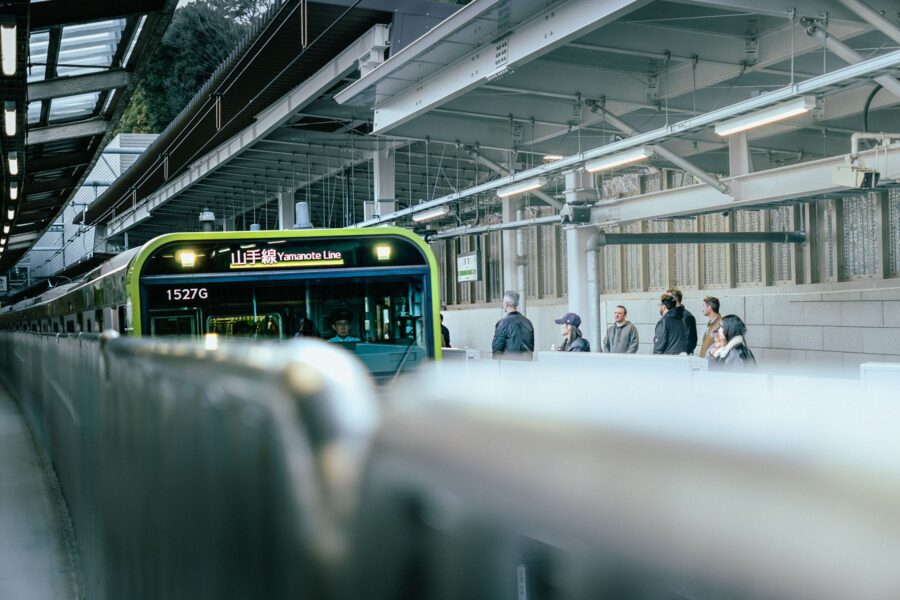
The commute is the trade-off nobody puts in the brochure. Schools are usually in city centers and host homes in the suburbs, so 30 to 60 minutes each way is typical. If you want evenings in the city, ask for the shortest commute on the form and accept that it may cost more.
Farm stays and countryside homes
The Japanese term is nohaku (農泊), a night in a working farm household, and the district usually credited with starting it is Ajimu, a grape and rice valley in Usa City, Oita Prefecture, where families began taking in guests in 1996. The Ajimu green tourism association still runs it on the same model: one group per house per day, dinner cooked with the family, and help in the fields or the vineyard if the season has work to do. Check-in is from 16:00 and check-out by 10:00, and you bring your own pajamas and toiletries, as you would to a friend’s house.
From October 1, 2026, a night with dinner and breakfast costs ¥16,500 per person for overseas guests and ¥14,300 (about $95) for Japanese residents, for groups of two or more, tax included. Children pay 30 percent less than adults. The extra ¥2,200 (about $15) for overseas guests is printed openly on the price table, and for an evening of hosting across a language gap it seems fair to me.
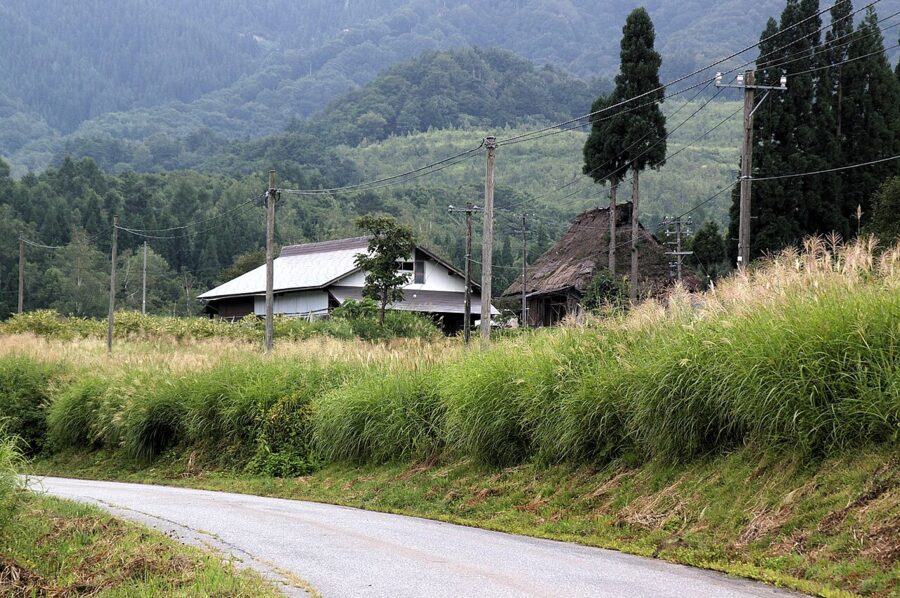

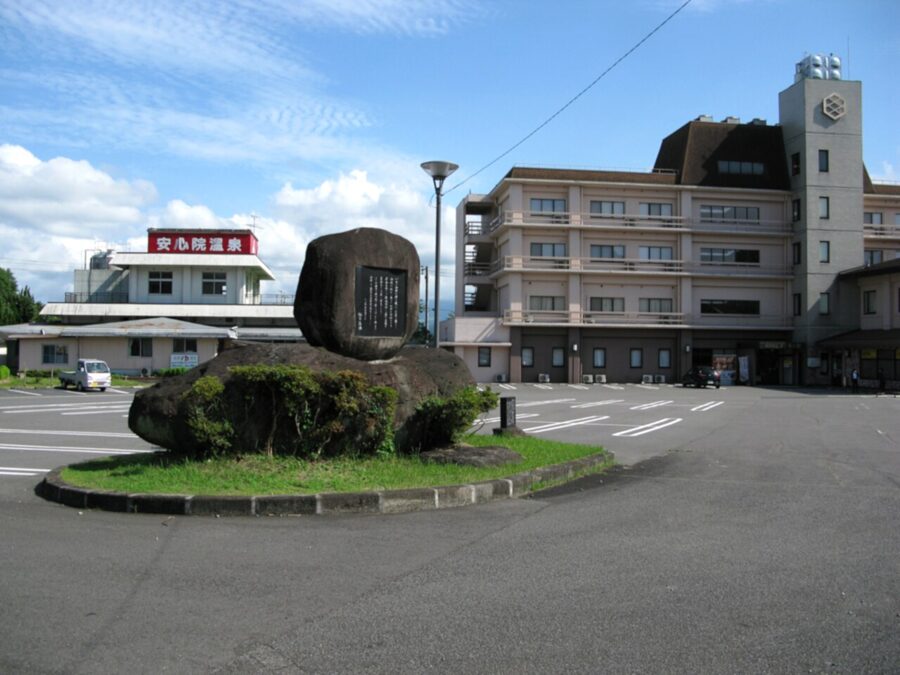
Outside Ajimu, Countryside Stays Japan lists about 65 rural destinations across nine regions, from farm stays in Izumi, Kagoshima, to old houses in Matsumoto and boathouses in Ine. Not all of them are homestays. Some are restored kominka (古民家, old houses) let out whole, with nobody living in them, which is a lovely night but not a family.
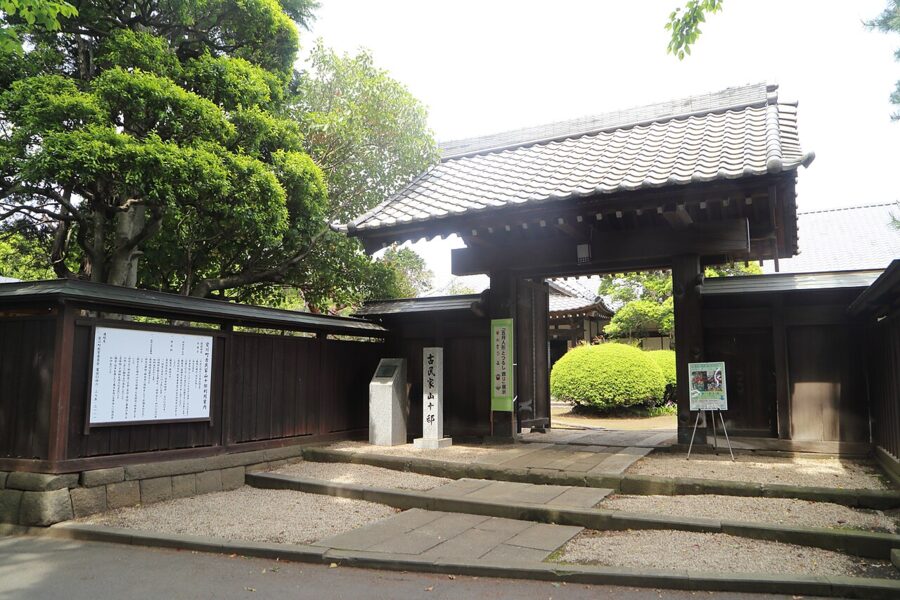

The same goes for minpaku (民泊), rooms let under Japan’s private lodging law. A house registered under that law can host guests for no more than 180 days a year, and it must keep a guest register, so the host has to see your passport. Some minpaku hosts live on site and cook for guests; many are empty apartments with a key box. If the family is the point, read the listing for the words “host lives here” and ask what meals are included before you pay.
Farm stays where you work for your bed rather than pay for it, through WWOOF and similar schemes, are a separate arrangement with their own visa questions, covered in the guide to volunteering in Japan.

What a homestay costs, door to door
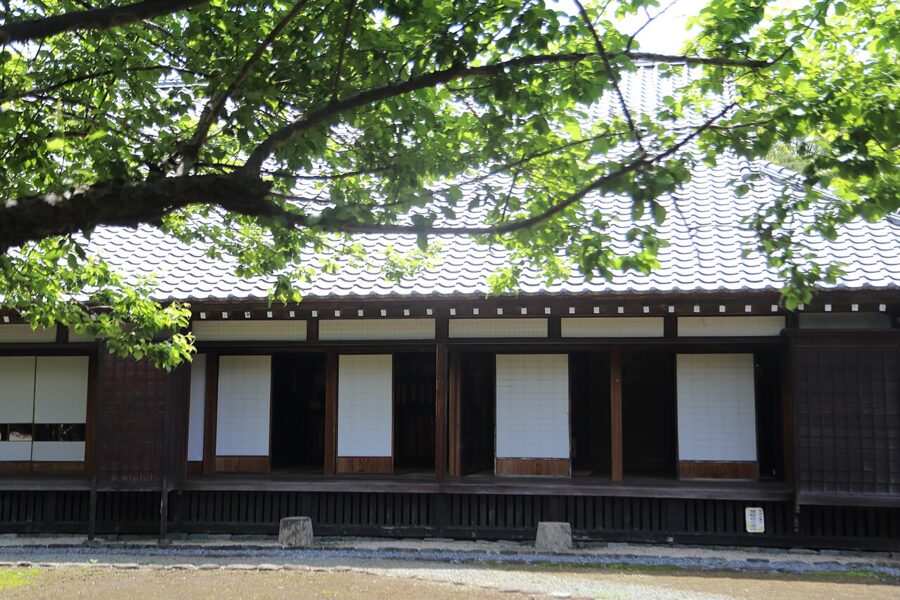
The weekly fee looks cheap next to a hotel, and it usually is. At ¥27,000 a week, a Fukuoka homestay through GenkiJACS works out to about ¥3,860 (about $26) a night with breakfast and dinner. The school’s own worked example for three weeks in Fukuoka is ¥81,000 (about $540) in homestay fees plus the ¥20,000 placement fee, ¥101,000 (about $675) in all.
What sits outside that figure is the part to budget for. Lunch every day, a commuter pass, a prepaid SIM, laundry soap if the family asks you to do your own, and evenings out all come on top. Bring at least ¥20,000 in cash for the first days, because some shops near suburban host homes still take nothing else.
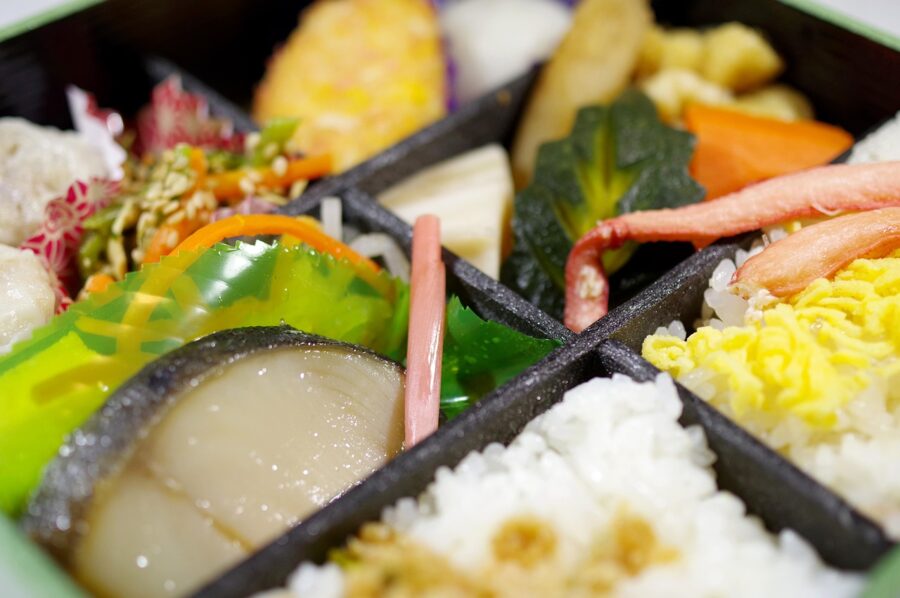
Here is how I would rank the three on value. A language-school homestay of three weeks or more is close to the cheapest way to sleep and eat in a Japanese city. A short agency stay costs more per night because the arrangement fee is spread over fewer nights. A farm stay is the priciest per night of the three, but the price covers a full evening of the family’s time, so book one night and treat it as the experience rather than the bed.
Tourist entry or Student status: the visa question
Most homestays fit inside an ordinary tourist entry. Japan’s Temporary Visitor status covers sightseeing, rest, visiting relatives, attending lectures or short courses, and similar short activities, for a period of 90, 30 or 15 days set by the immigration officer at landing. Americans, Canadians, Australians and most Europeans get 90 days on arrival without applying for a visa in advance.
Two lines matter. The first is paid work: a Temporary Visitor cannot take any, which is why a stay where you work for your board needs care. The second is 90 days. A language course of up to about three months can run on a tourist entry, and GenkiJACS notes that it cannot sponsor a student visa for courses of three months or less for exactly that reason.
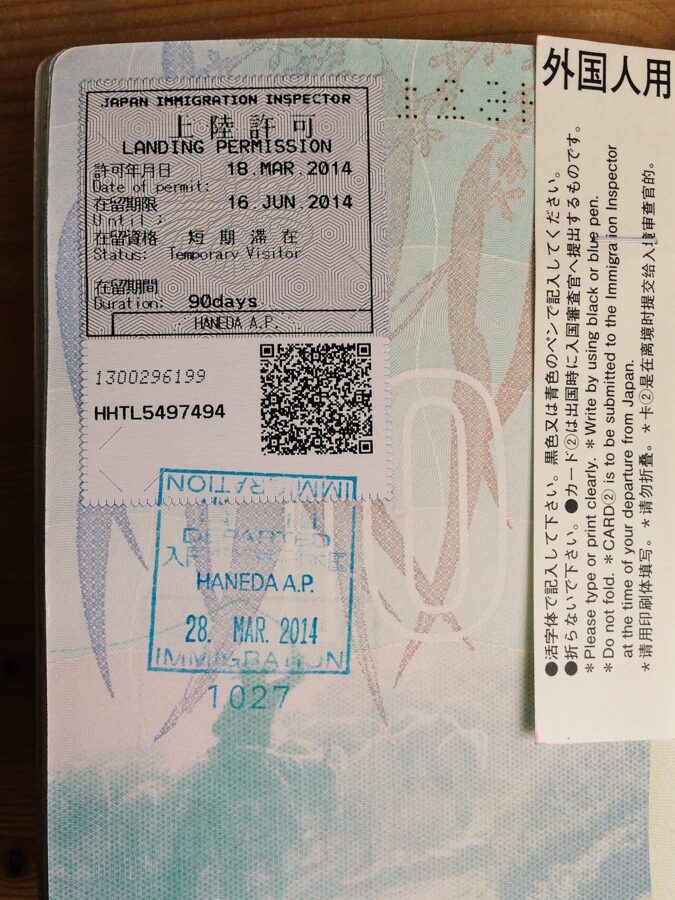

Longer than that and you need Student status (留学, ryugaku). The school applies to immigration for a Certificate of Eligibility on your behalf, you take it to a Japanese embassy or consulate for the visa, and the period of stay can run as long as four years and three months. Schools set their application deadlines well ahead of each intake, so a long-term homestay is something you plan from the school backward, not from the family forward.
Whatever the length, fill in Visit Japan Web, the Digital Agency’s arrival service, before you fly, so immigration and customs go quickly. Young travelers from partner countries can also come on a Working Holiday visa, which allows paid work; that route belongs with the volunteering options rather than here.
Finding a reputable program, and the questions to ask
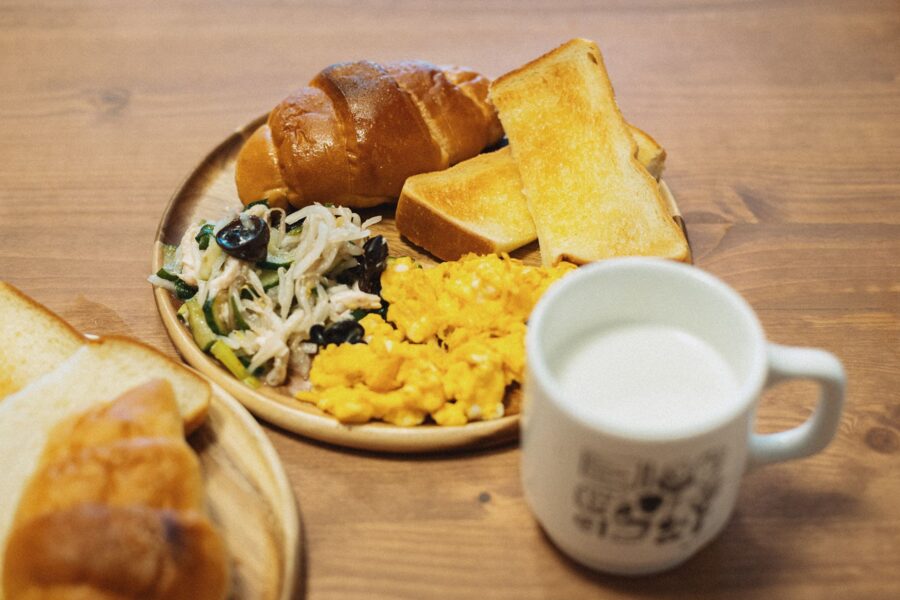
You rarely choose your family. At Homestay in Japan, staff pick the family from your application, with allergies and health first, then smoking, children, pets and hobbies. Schools work the same way, and families are usually confirmed one to two weeks before you arrive. What you choose is the organization, and you shape the match by filling in the form accurately.
The organization is the safety net, so judge it on what happens when something goes wrong. A good one answers the phone at night, steps in if the placement is not working, and moves you to another family if it has to. Homestay in Japan asks guests to call the office before raising a problem with the family, so staff can try to settle it first.
Ask these before you pay:
- Who matches me, and when will I know the family? One to two weeks out is normal; the day before is not.
- Is the room private? Reputable programs give each guest a private room, though you may share the house with another guest.
- How long is the commute to school, door to door? Ask for minutes and the line, not “nearby”.
- Which meals, and what if I miss one? Breakfast only or breakfast and dinner, and how much notice the family needs if you will be out.
- Can I shower in the morning? The washroom is busy before work and school, so ask on the application, not on day two.
- What is the curfew, and do I get a key? Get the answer in writing.
- What happens if I want to move out? At Homestay in Japan, switching to an apartment mid-stay costs a cancellation fee, so for a long stay it suggests booking a few months first and extending.
- Is there a 24-hour emergency number? If the answer is the family’s phone, keep looking.
The red flag is a “host” who wants cash directly, with no agency, school or association behind the placement and no written terms. A homestay booked that way is a room in a stranger’s house with nobody to call.
The first day
Families do not usually collect guests from the airport. The normal meeting point is the station nearest the house, so you get there on your own: by train, or by the Airport Limousine Bus to a city terminal and a train from there. Agency airport pickups exist, but at Homestay in Japan the pickup is a staff member who rides public transport with you, and you carry your own bags.
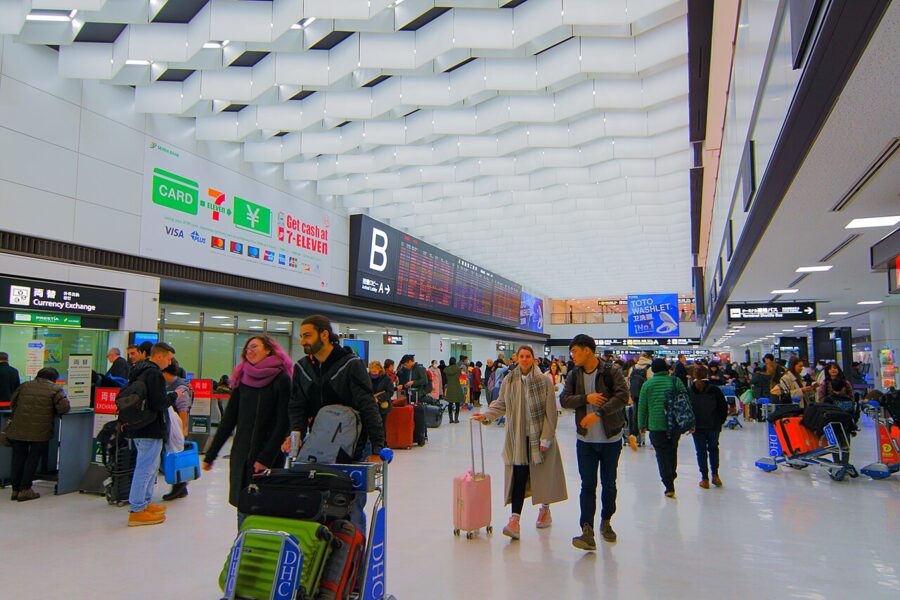

Buy a prepaid SIM at the airport, because shops near suburban host homes often do not stock them, and install LINE, the messaging app most Japanese families use, before you land. Most homes have Wi-Fi, but the signal in a back room can be weak. Send the family a message from the train with your arrival time at the station.
House rules and etiquette
Japanese families do not expect a guest to know everything. They do notice a guest who watches what they do and copies it, and that covers most of what follows.
Shoes and the genkan
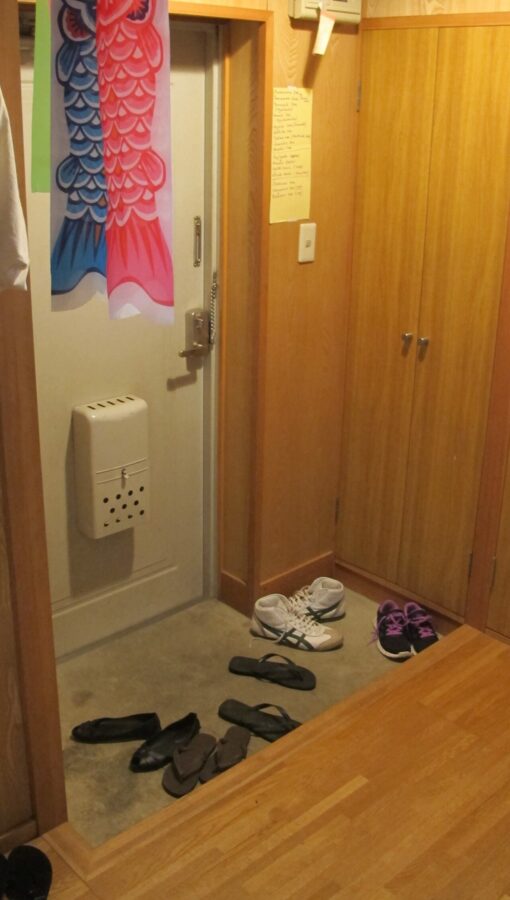
The genkan (玄関) is the entry hall, a tiled step down from the rest of the house. Shoes come off there, before you step up, and go toes-out against the side or into the shoe cupboard. You step up into the indoor slippers the family puts out for you.

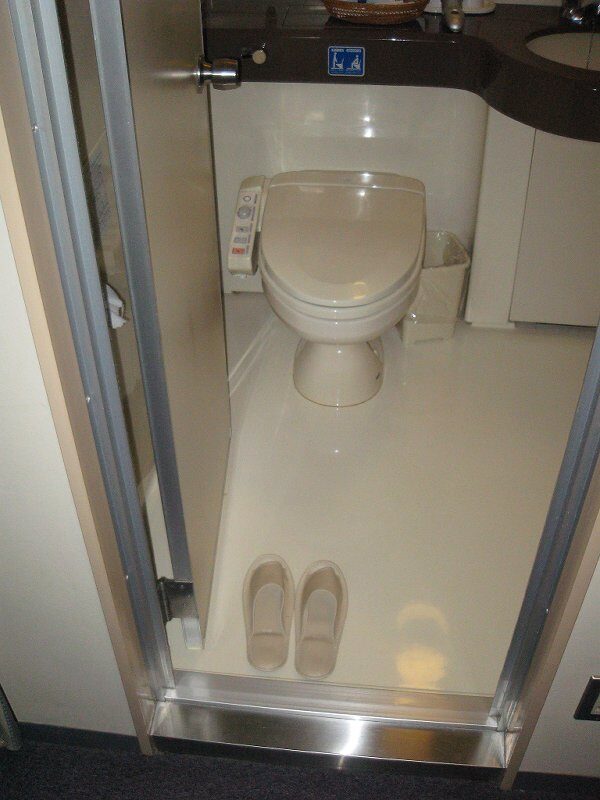
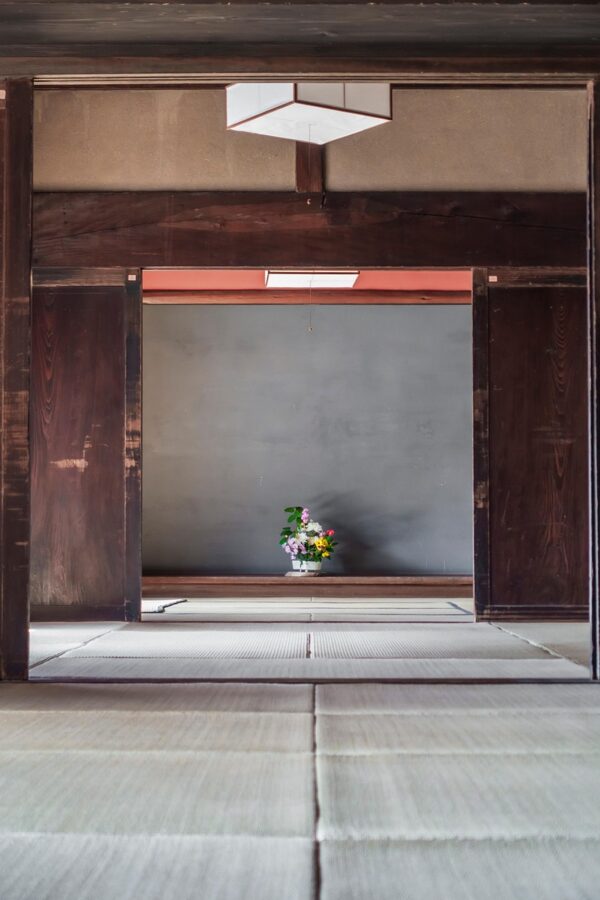
Slippers come off again at the edge of any tatami room, where you walk in socks or bare feet. The toilet has its own slippers, waiting just inside the door. Change into them, and change back on the way out: walking into the living room in the toilet slippers is the one mistake every family remembers.

The bath
The family bath is the rule most guests get wrong, because it works differently from a hotel. The tub is filled once in the evening and kept hot, and everyone in the house soaks in the same water. So you wash and rinse completely on the stool outside the tub, with the hand shower, and only then get in to soak.
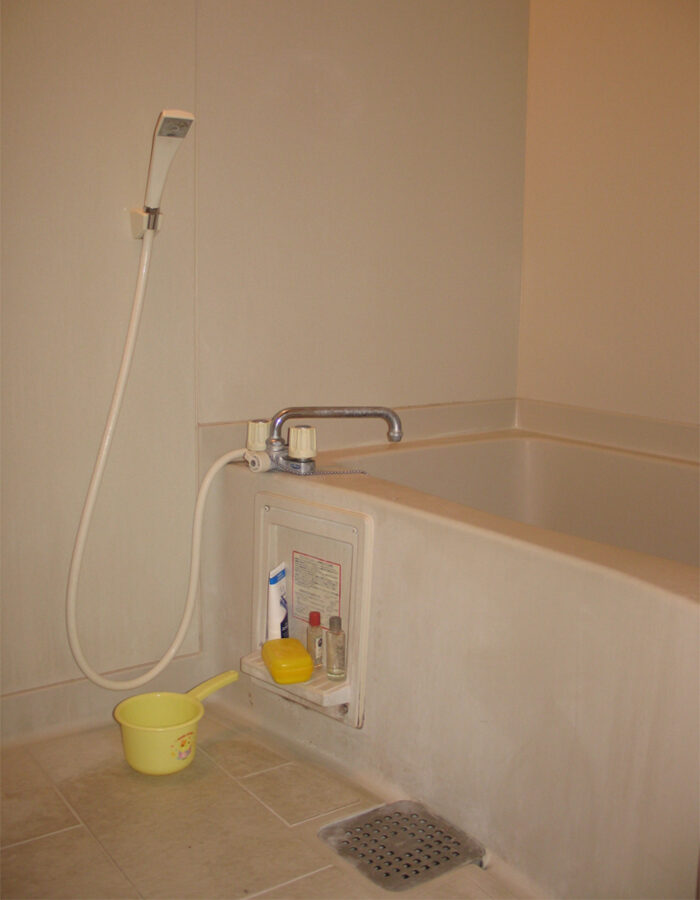

Never pull the plug. Keep the soak short, keep your hair out of the water, and let the family tell you when it is your turn; guests are often offered the first bath, which is a courtesy you can accept. If you need a morning shower instead, say so when you apply, because the washroom is in use before work and school.
Meals
Say “itadakimasu” before you eat and “gochisosama deshita” when you finish. Both are thanks, and the second one, said to whoever cooked, matters more than any compliment about the food. Wait to be shown where to sit, and do not stand your chopsticks upright in the rice.
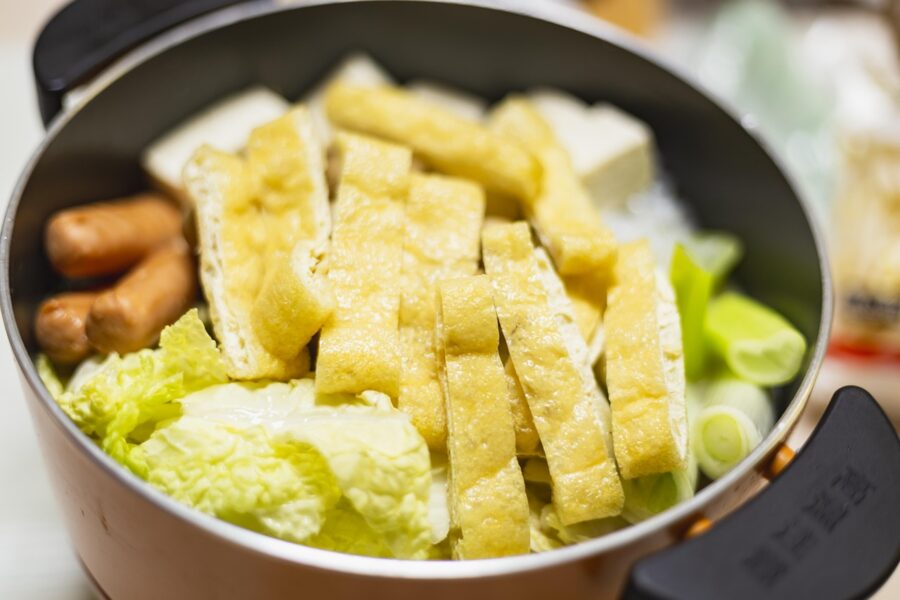
If you cannot eat something, tell the family, before the meal if you can and politely afterward if you could not. Do not hide food or quietly throw it away: families find out. If you will miss dinner, send a message early in the day, because the shopping is done for the number at the table.
Gifts: omiyage
Bring omiyage (お土産), a small gift from where you live, and give it on the first evening. Food that travels and can be shared works best: packaged sweets, local cookies, tea or coffee from your hometown, ideally individually wrapped so the family can pass them around. The point is the place it comes from, not the price, so nothing expensive.
On a long stay, a second small gift at the end, and a meal you cook for the family one evening, land better than anything you could buy. On a farm stay, the gift goes to the household that hosted you, not to the association.
Curfews, keys and late nights
Each family and program sets its own rule, and it is stricter for under-18s. Some give adult guests a key and ask only for a message if they will be late; others lock up at a fixed hour. Ask on the first evening, keep to it, and send a LINE message the moment a train delay puts you behind.
The quiet hours matter as much as the curfew. Japanese houses are thin-walled and families go to bed early on work nights, so a late shower or a video call at midnight carries further than you think.
Laundry, garbage and the rest
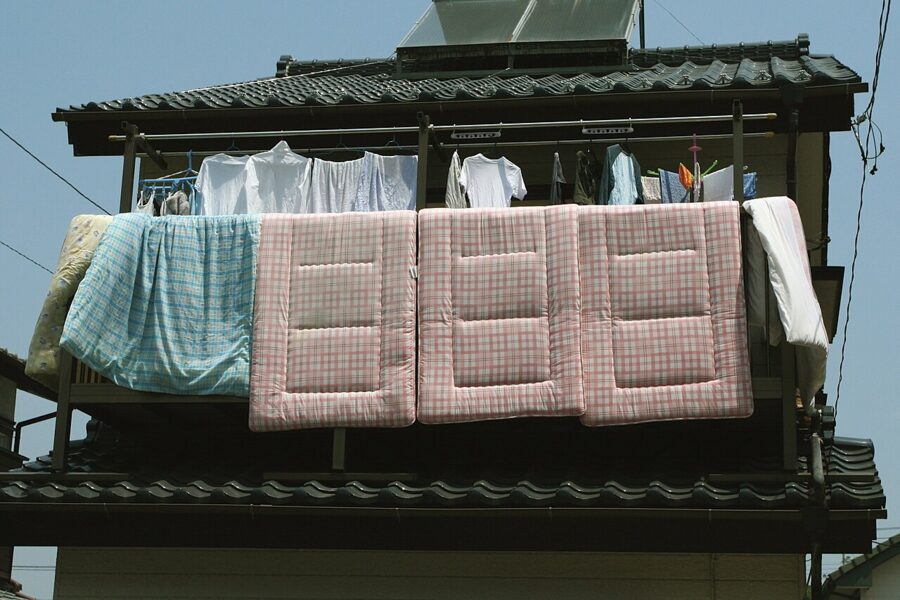
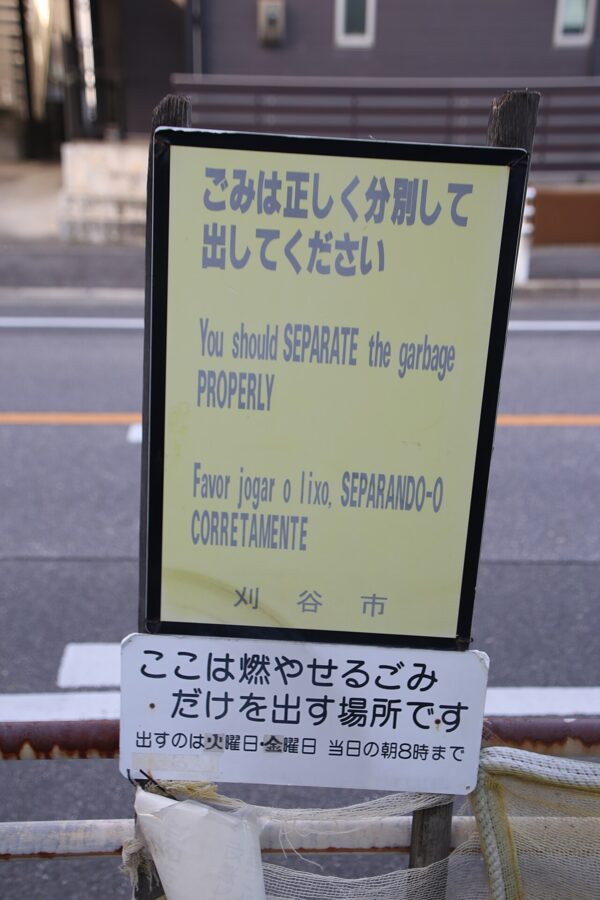
Ask how laundry works rather than assuming. Some families wash a guest’s clothes with theirs, some give you a day and show you the machine, and most hang everything to dry outside. Garbage is sorted into burnable, non-burnable and recyclables, each collected on set days under rules that differ by town, so ask the family to show you their bins and follow them exactly.


What a day looks like
A language-school day runs on the family’s clock. In a typical working household breakfast is around 07:00, you are out of the door by 08:00 for a 09:00 class, and the commute is your first hour of Japanese practice, reading station signs. Afternoons are yours. Dinner is at 18:30 or 19:00, the family’s main conversation of the day, and then the bath order and an early night.
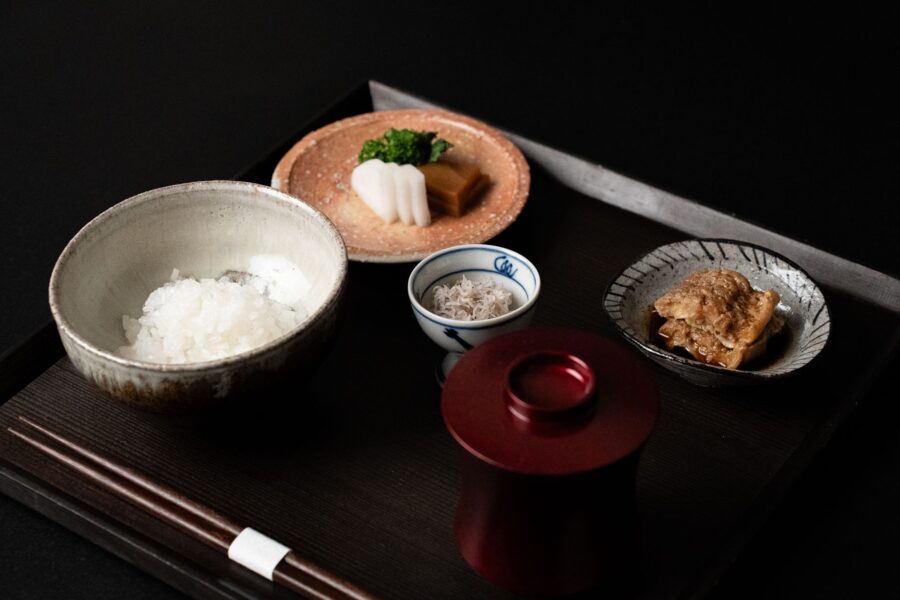
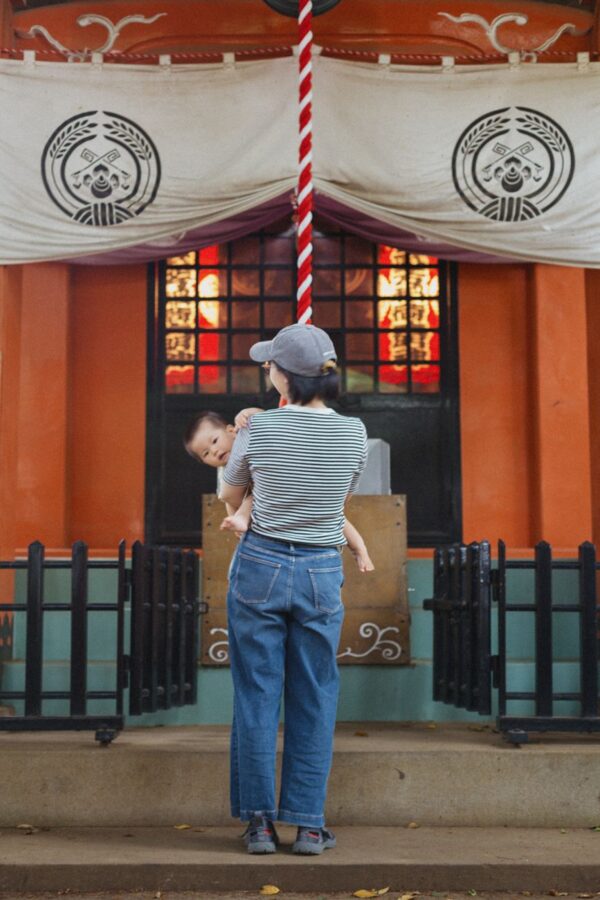
Weekends are where a homestay pays off. Families often take guests to a local shrine, a grandparent’s house, a supermarket run or a child’s sports match, none of which a hotel guest sees. Say yes to the dull-sounding invitations; they are usually the best day of the stay.
A farm stay compresses all of that into eighteen hours. In Ajimu you arrive after 16:00, help in the fields or the kitchen, eat with the family, bathe, and sleep. Next morning there is breakfast, perhaps an hour of work, and you are gone by 10:00 with a phone number and an invitation to come back.
Phrases that help
A handful of set phrases carry most of a homestay. The family will use the first four every day, and answering them back is the quickest way to stop being a guest.
| Japanese | Meaning | When |
|---|---|---|
| Ittekimasu / Itterasshai | I’m off (and back later) / Go and come back | Leaving the house in the morning |
| Tadaima / Okaerinasai | I’m home / Welcome back | Coming in through the genkan |
| Itadakimasu | Thank you for this food | Before eating |
| Gochisosama deshita | Thank you, that was a feast | After eating |
| Osaki ni ofuro itadakimasu | I’ll take the bath first, thank you | When you are offered the first bath |
| Oyasuminasai | Good night | Going to your room |
| Oishii desu | It’s delicious | At the table, said plainly |
| Kore wa nan desu ka? | What is this? | Any dish you do not recognize |
| Sumimasen | Excuse me / sorry | Almost everything else |
A translation app covers the rest. Families who host often are used to typing into a phone at dinner, and nobody minds.
When to go
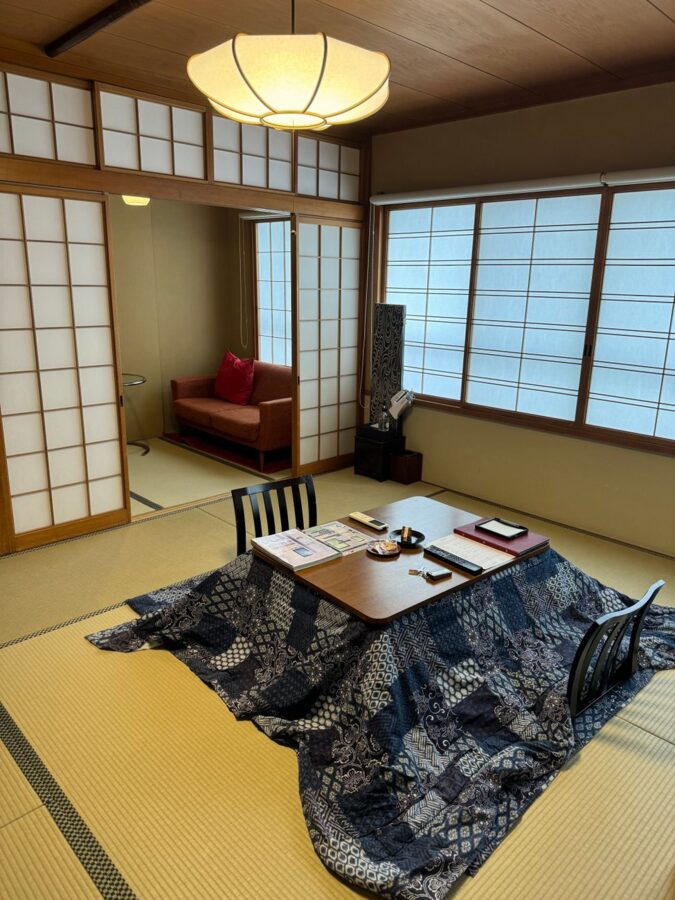
Any season works for a city homestay, so pick the season for the trip itself using the best time to visit Japan. Farm stays follow the crops: spring planting and the autumn harvest give you the most to do, and a midwinter farm stay is mostly about the kotatsu and the bath.
If the trip is built around an event, say so on the application. A homestay in Sapporo in February puts the Sapporo Snow Festival a train ride away, with a family to tell you which sites to see after dark.
Start with the number of nights. One night is a farmhouse or a dinner with a family; three weeks or more is a school and a commuter pass. Decide that, and the rest of the booking takes an afternoon.