
Evangelion builds its fortress city, Tokyo-3, inside the Hakone caldera, and the caldera is still there: the lake, the ridgelines and the twin peaks of Futagoyama, all on one loop of trains, cable cars and boats from Hakone-Yumoto. What comes and goes is everything the town adds on top. In 2020 the ropeway station at Togendai was dressed as NERV headquarters, with a two-meter Unit-01 in a case and a second station name, Dai-3 Shin-Tokyo-shi (第3新東京市); by autumn 2026 the same hall had a Halloween display. Plan the trip around the permanent part and treat any campaign as a bonus.
The permanent part is better than most fans expect. There is one permanent official store, in Hakone-Yumoto Station itself, and four more official shops in Tokyo and Osaka, one of them opening in Osaka on November 24, 2026.

Hakone is in Kanagawa Prefecture, not Tokyo, about 80 minutes from Shinjuku on the Odakyu Romancecar. That makes it a day trip, though I would give it a night: Owakudani is at its quietest before the tour buses arrive, and the store is there on the way up and the way down.

On this page
Why Hakone is Tokyo-3
Neon Genesis Evangelion puts its fortress city, Tokyo-3, inside the Hakone caldera, with the NERV headquarters in a vast cavern, the GeoFront, below it. The city sits around Sengokuhara, the broad basin at the north end of Hakone, and the mountains around it are the ones you can stand on. Fans call places like this seichi (聖地), “sacred ground”, and the trip a seichi junrei, a pilgrimage.
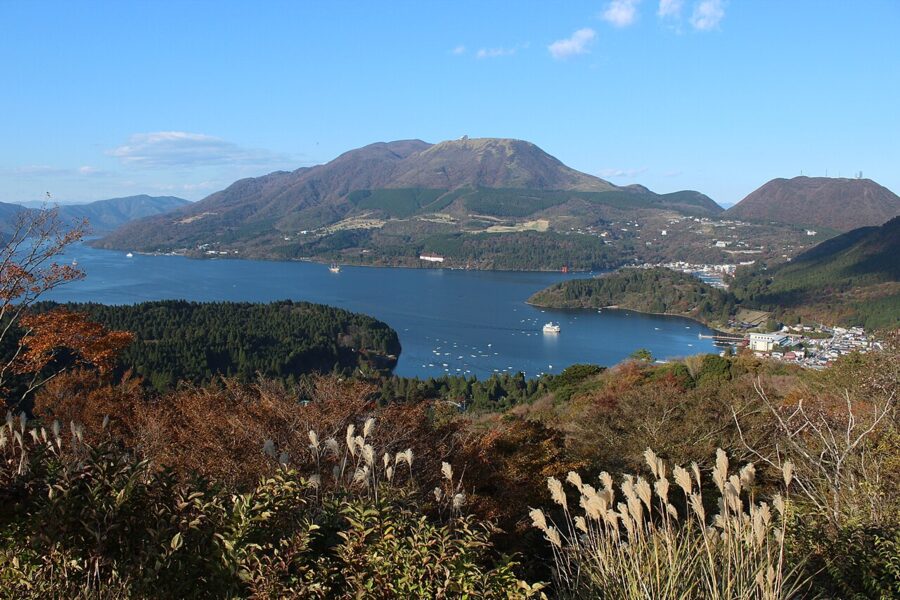
The landmarks are geography, not sets. Futagoyama, the two rounded peaks above the southeast end of Lake Ashi, is where Unit-01 lies with the positron rifle in Operation Yashima (ヤシマ作戦), one of the most recognized sequences in the series. Lake Ashi and the caldera rim frame the show’s skyline, and once you have seen the episodes, the shape of the ridgelines is familiar.
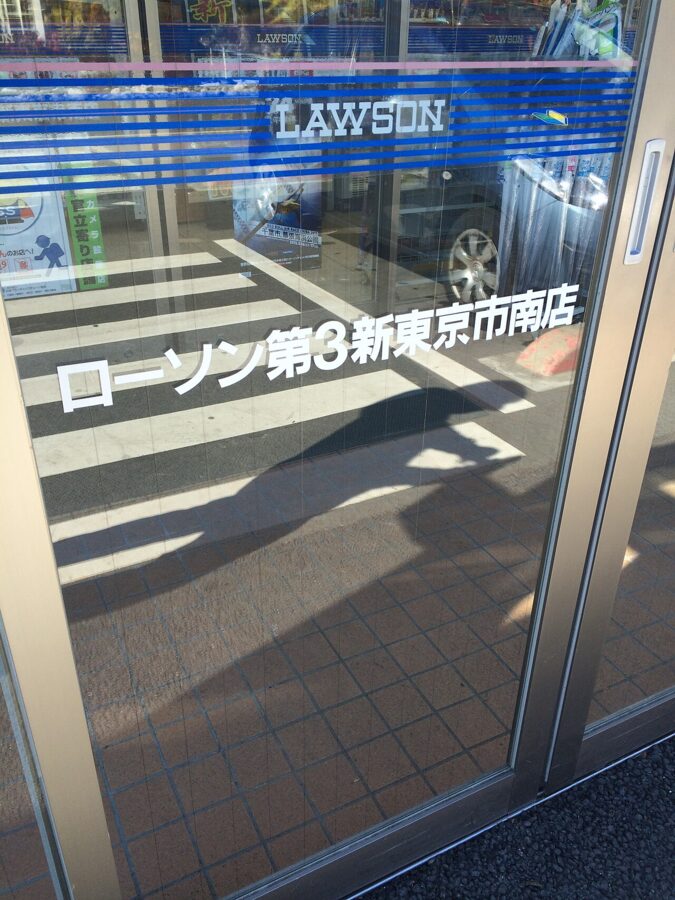
Hakone has leaned into the link for years. A 2010 campaign turned a Lawson convenience store in Sengokuhara into an Evangelion store and put a life-size Unit-01 on phone screens through an augmented-reality app. The largest effort, Evangelion x Hakone 2020, ran from January 10 to June 30, 2020, and the Anime Tourism Association has put Hakone on its list of 88 anime pilgrimage sites.
A note on the name before you ask at a counter: in Japanese it is “Evangerion” (エヴァンゲリオン), and almost everyone shortens it to “Eva” (エヴァ). Say “Eva” and you will be understood in any shop in Hakone.
What is there for Eva fans now
Here is the short list as of November 2026: one permanent official store, the scenery, and the traces of past campaigns. Anything in 2020 or 2021 photos (wrapped buses, the NERV-dressed ropeway station, the stamp rally) belonged to a campaign with an end date, and none of it is a fixture.
Hakone-Yumoto Eva-ya, the store in the station
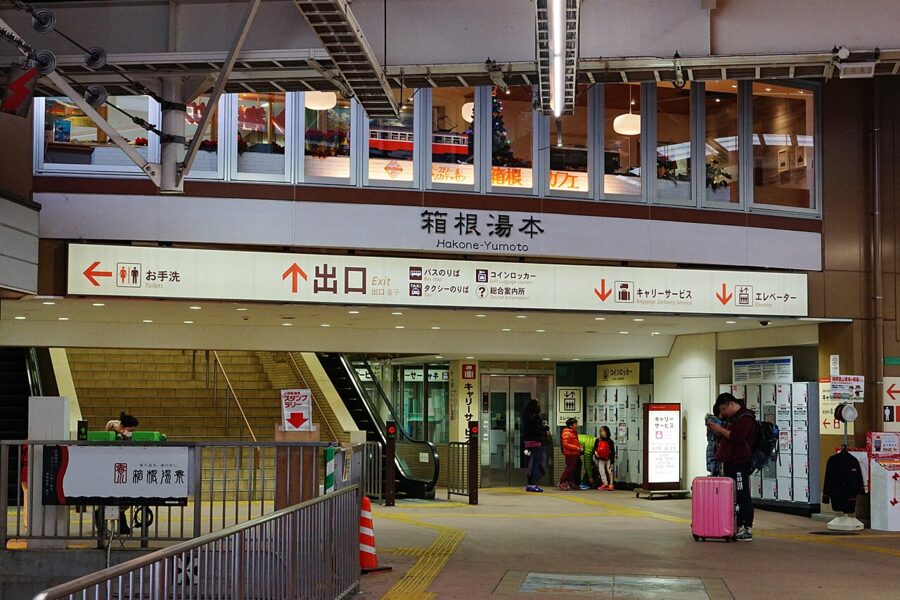
Hakone-Yumoto Eva-ya (箱根湯本えゔぁ屋) is on the ground floor of Hakone-Yumoto Station, and the official Evangelion Store lists it alongside its own shops. Hours are 9:00 to 18:00 with irregular closing days, as of November 2026. It has long stocked its own Hakone originals alongside the standard range, which is the reason to buy here rather than in Tokyo.
Go in the morning, before you board the mountain train. The loop brings most people back to Hakone-Yumoto by bus in the late afternoon, and on a busy weekend that bus can run long enough to put you at the door after it closes at 18:00.
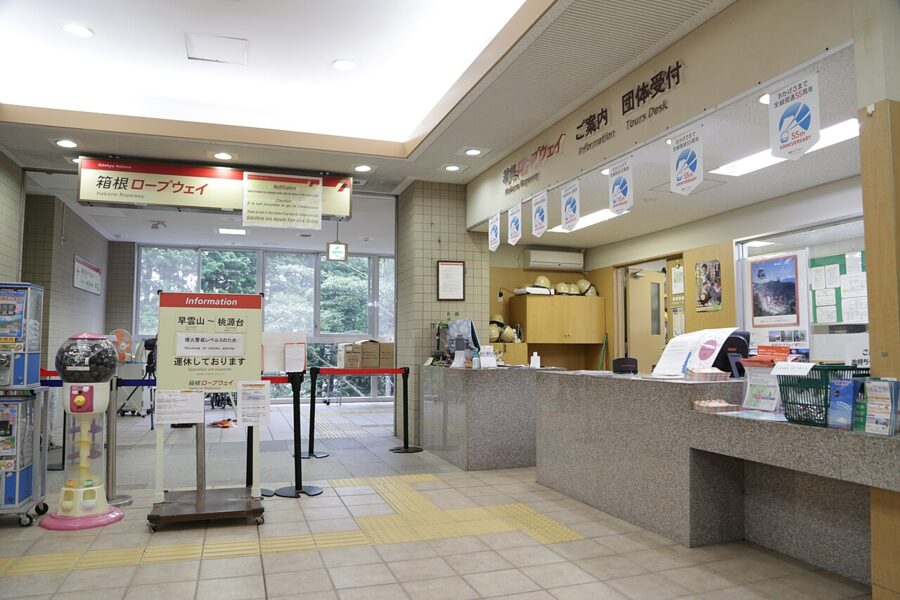
Togendai: the station that was NERV
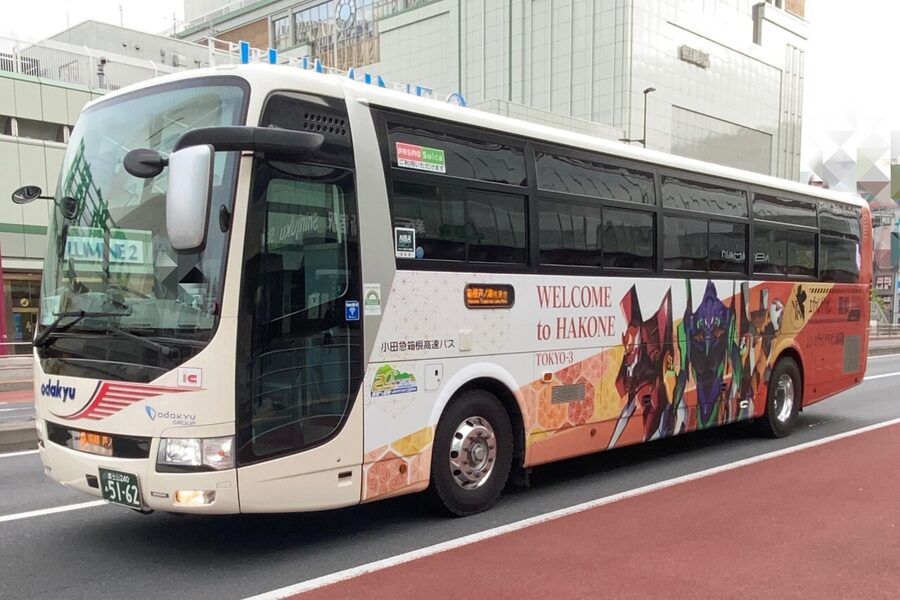
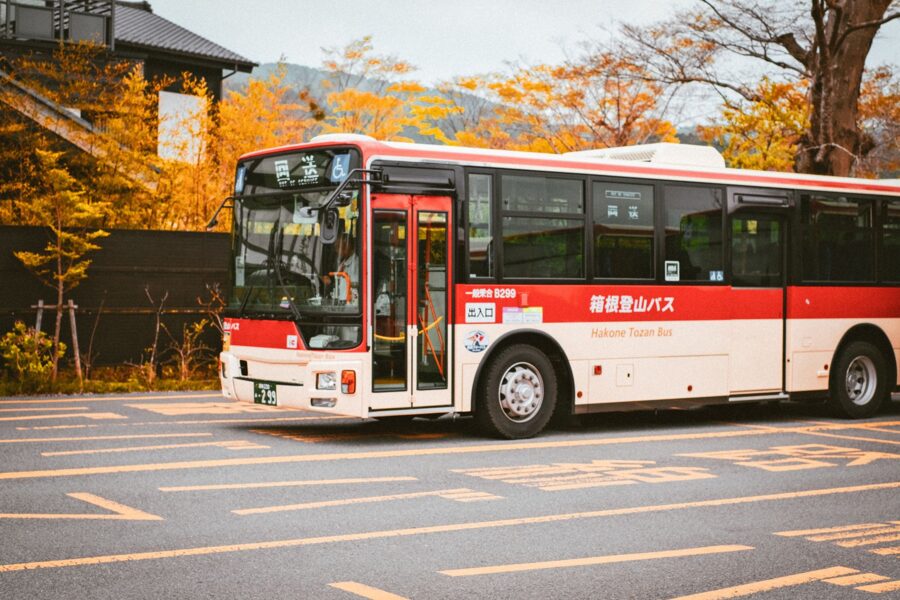
For Evangelion x Hakone 2020, the Hakone Ropeway’s Togendai Station took the second name Dai-3 Shin-Tokyo-shi Station, the interior was wrapped as NERV headquarters, and a Unit-01 figure about two meters tall stood in a case styled as an A.T. Field. Five Hakone Tozan buses ran in Eva liveries, highway buses from Shinjuku and Haneda were wrapped, and the town built a “Sengokuhara forward base” at Kintoki Park. A stamp rally ran across 14 stamp points in the area.
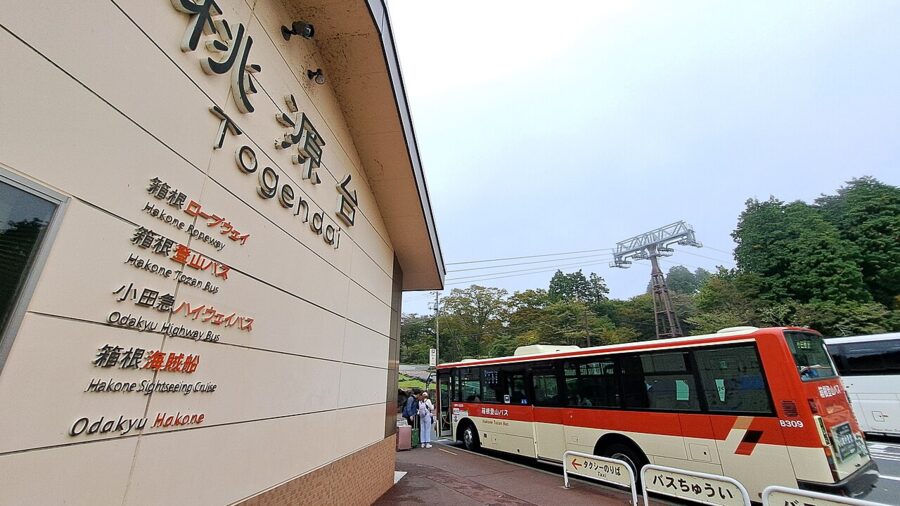

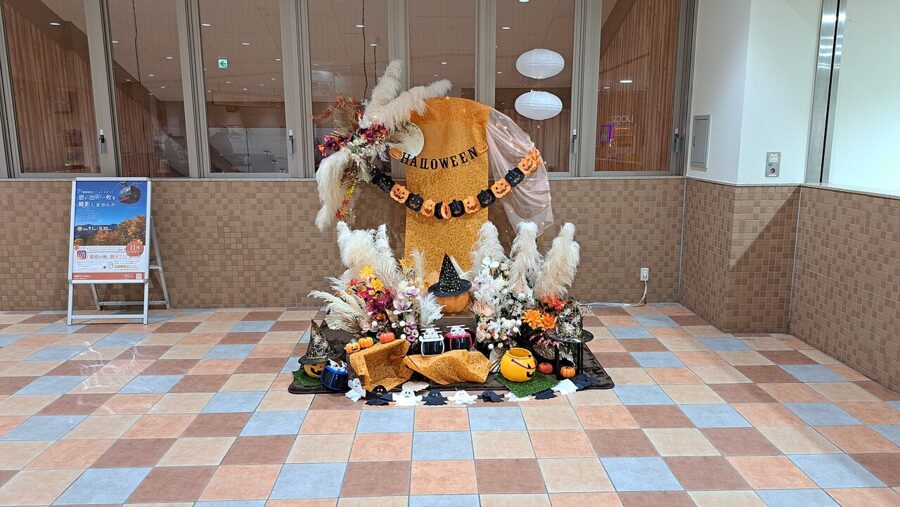
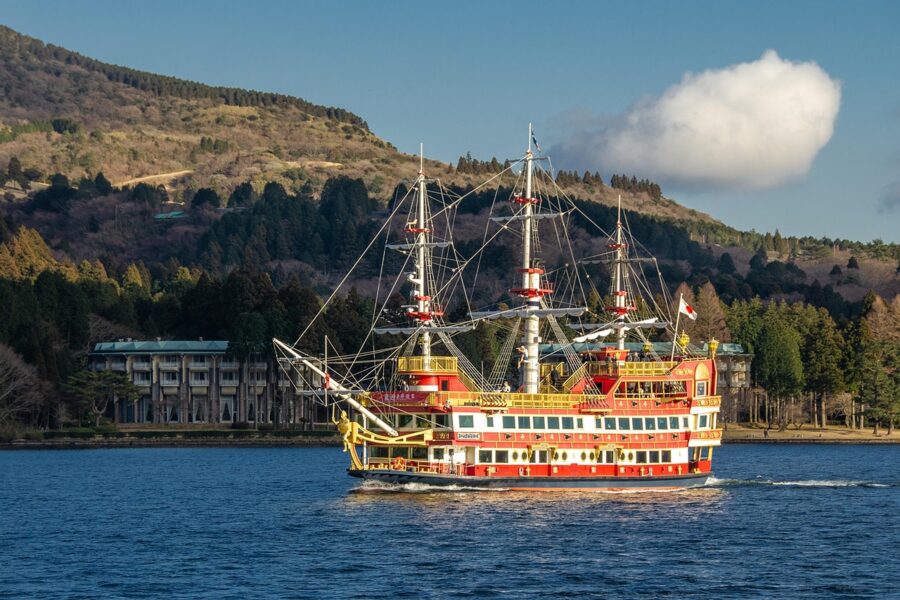
By October 2026 the hall held a seasonal display and the cruise company’s pirate-themed photo spot instead. Still go: Togendai is where the ropeway meets the lake, and you pass through it on the standard loop anyway. Just do not make it the reason for the trip.
Signs, buses and the Lawson
The smaller traces are the ones fans hunt for: a Lawson in Sengokuhara whose sign carried the Tokyo-3 name long after the 2010 campaign, and the wrapped buses that met Shin Evangelion’s release in 2021. Neither is a fixture. Treat them as finds if they turn up, not as stops.


The series and the Rebuild films, in brief
The TV series, Neon Genesis Evangelion, ran for 26 episodes on TV Tokyo from October 1995 to March 1996, directed by Hideaki Anno. It is 2015, fifteen years after a catastrophe called the Second Impact, and 14-year-old Shinji Ikari is summoned to Tokyo-3 by the father who left him, to pilot a giant machine, Evangelion Unit-01, against beings called Angels. The End of Evangelion, a feature film, followed in 1997.
The Rebuild of Evangelion is Anno’s four-film retelling, made at his own studio, Khara. Evangelion: 1.0 You Are (Not) Alone opened in Japan on September 1, 2007, 2.0 You Can (Not) Advance in June 2009, 3.0 You Can (Not) Redo in November 2012, and Evangelion: 3.0+1.0 Thrice Upon a Time on March 8, 2021, after two pandemic delays. The first film follows the series closely; from the second film on, the story goes its own way.
Which to watch before the trip? If you have time for one, watch the first six episodes of the series: they cover Shinji’s arrival in Tokyo-3 and Operation Yashima, which is the part of the story that happens in Hakone’s geography. If you know the series already, the Rebuild films are the ones the newer goods and collaborations draw on.
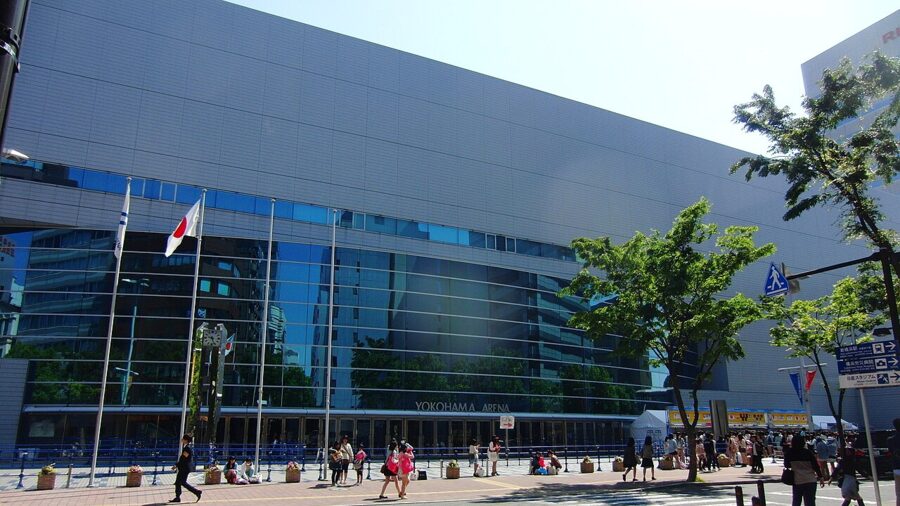
The franchise turned 30 in 2025. Its anniversary festival, EVANGELION:30+, filled Yokohama Arena from February 21 to 23, 2026, and a Blu-ray box of it is due on February 24, 2027.

Getting to Hakone
The Odakyu Romancecar runs from Shinjuku to Hakone-Yumoto in about 80 minutes without a change. Limited express tickets go on sale at 10:00 Japan time one month before the departure date, through Odakyu’s EMot online tickets, station windows or ticket machines. On a weekend, buy on that first morning.
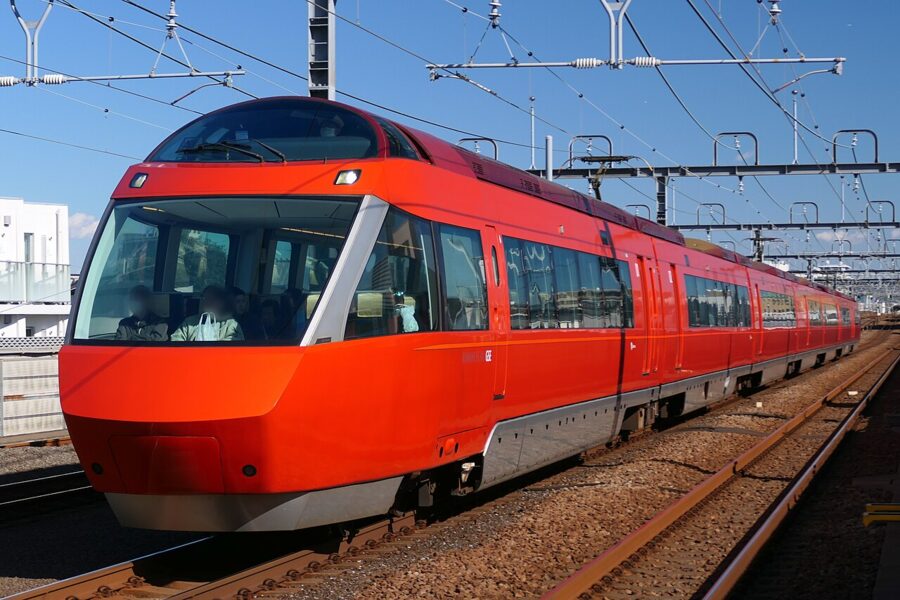

The Hakone Freepass is the ticket for an Eva day. It covers the Odakyu Line round trip from Shinjuku plus the whole Hakone loop: the Hakone Tozan Train and Cable Car, the Hakone Ropeway, the Lake Ashi sightseeing cruise, and the Hakone Tozan, Odakyu and Tokai buses within the pass area. It does not cover the Romancecar’s limited express fee, which is ¥1,200 (about $8) one way from Shinjuku.
| Hakone Freepass (as of November 2026) | Adult | Child (6-11) |
|---|---|---|
| From Shinjuku, 2 days | ¥7,100 (about $47) | ¥1,600 (about $11) |
| From Shinjuku, 3 days | ¥7,500 (about $50) | ¥1,850 (about $12) |
| From Odawara, 2 days | ¥6,000 (about $40) | ¥1,500 (about $10) |
| From Odawara, 3 days | ¥6,400 (about $43) | ¥1,750 (about $12) |
Buy the 2-day pass from Shinjuku even for a day trip; the 3-day pass is only ¥400 (about $3) more if you stay two nights. For scale, an ordinary ropeway round trip on its own was ¥3,000 (about $20) as of late 2025, and the pass also saves you buying a ticket at every change. A digital version works on a smartphone through EMot, and the pass also gives discounts at around 70 museums, baths and restaurants in Hakone.
From Narita, the Airport Limousine Bus sells a combined ticket with the Hakone Freepass at its arrival-lobby counter, which suits a first night in Hakone. From Haneda, the Romancecar from Shinjuku is still the simplest route.
A fan day in Hakone
The standard Hakone loop happens to be the Eva loop, so you do not need a special route, only the right order. Start early: Hakone’s roads clog by late morning on weekends, and everything below assumes you are at Hakone-Yumoto by 9:00.
Hakone-Yumoto to Gora
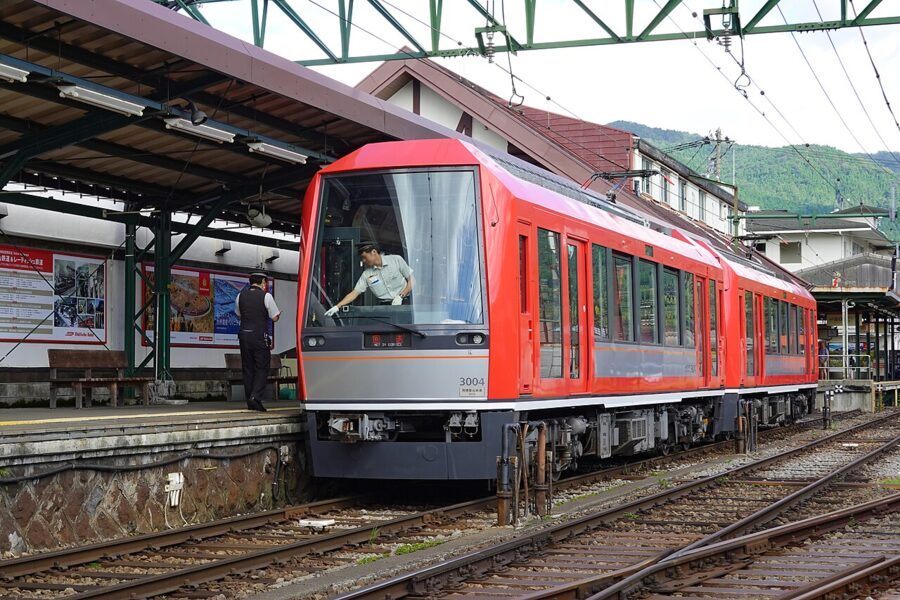
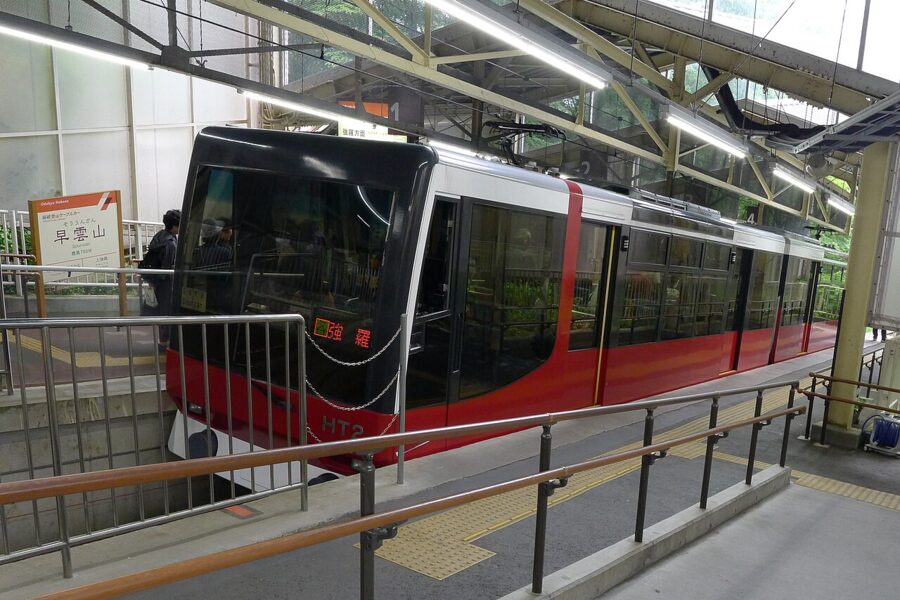
Shop at Eva-ya when it opens at 9:00, then take the Hakone Tozan Train up the mountain to Gora, about 40 minutes of switchbacks and steep grades. At Gora, change to the Hakone Tozan Cable Car for the roughly 10-minute climb to Sounzan, where the ropeway starts.


The ropeway and Owakudani
The Hakone Ropeway runs about 4 km from Sounzan over Owakudani to Togendai, roughly 30 minutes one way. Between Sounzan and Owakudani the valley floor is about 130 meters below the gondola, and on a clear day Mount Fuji appears on the way down to the lake. In 2025 the line added ROPESTER, an open-air gondola; check whether it is running on your date.
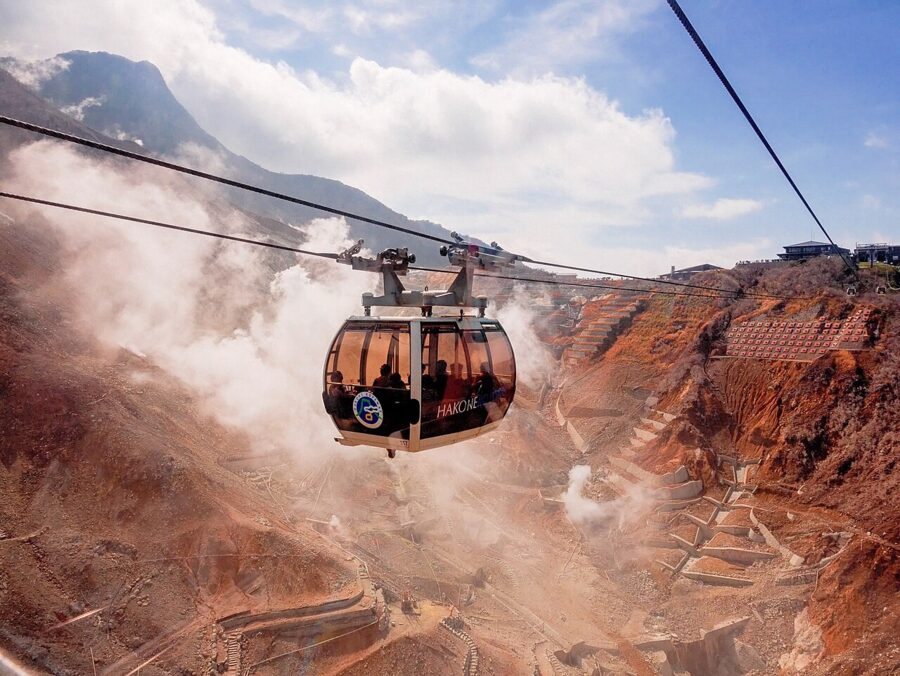

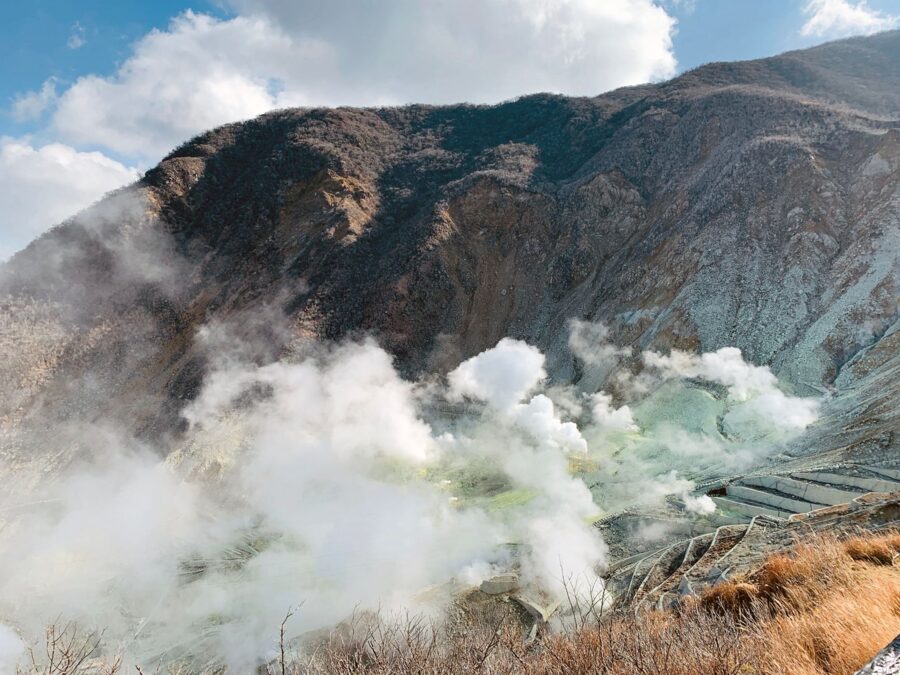
Get off at Owakudani. This is the most Eva-looking ground in Hakone: bare yellow rock, steam and the smell of sulfur, ground that could be the morning after an Angel attack. Since April 2025 it has a new viewing area called Chikyu no Tani, with three decks over the vents and a small market. Volcanic gas and alert levels can close the valley or stop the ropeway, so check the operator’s notices the day before.

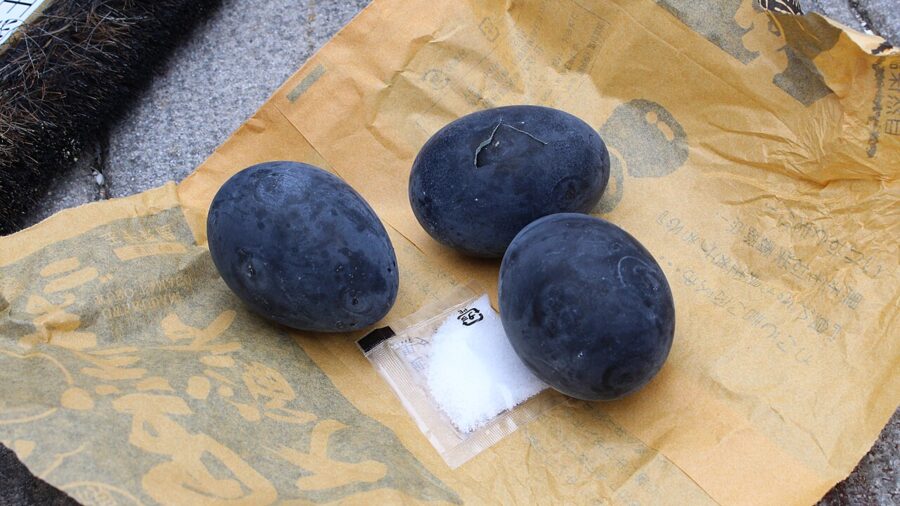
Buy the black eggs. Kuro-tamago are ordinary eggs boiled in the valley’s hot spring water, where iron in the water reacts with hydrogen sulfide and leaves a black iron sulfide coat on the shell; the inside is a normal hard-boiled egg. Local lore says each one adds seven years to your life.

Togendai and Lake Ashi
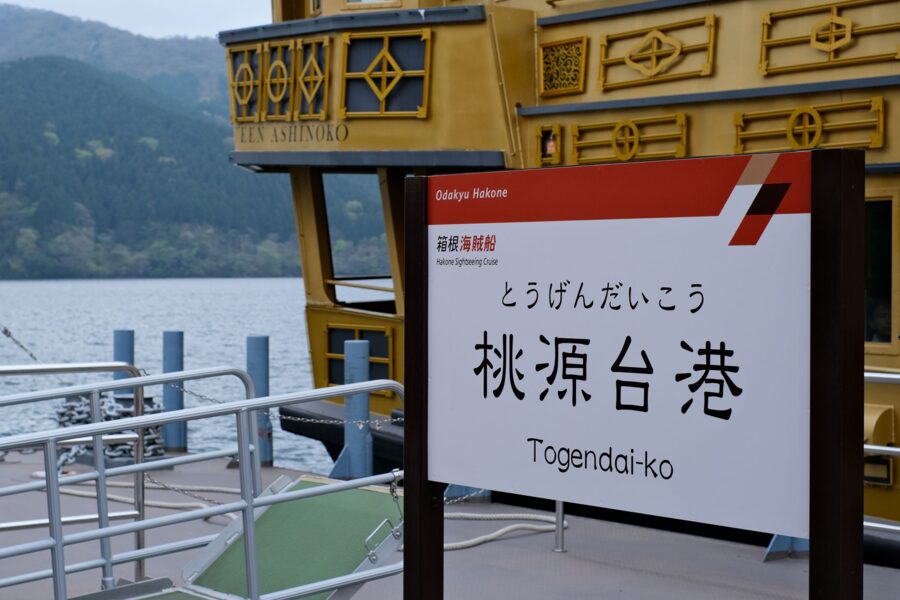
Ride the second half of the ropeway down to Togendai, the station that was NERV in 2020. From the port next door, the Hakone Sightseeing Cruise’s pirate-style ships cross Lake Ashi to Hakone-machi and Moto-Hakone, about 30 minutes to Moto-Hakone. From the deck, look back north: the basin behind Togendai is where the series puts the city.
Sengokuhara, or back down
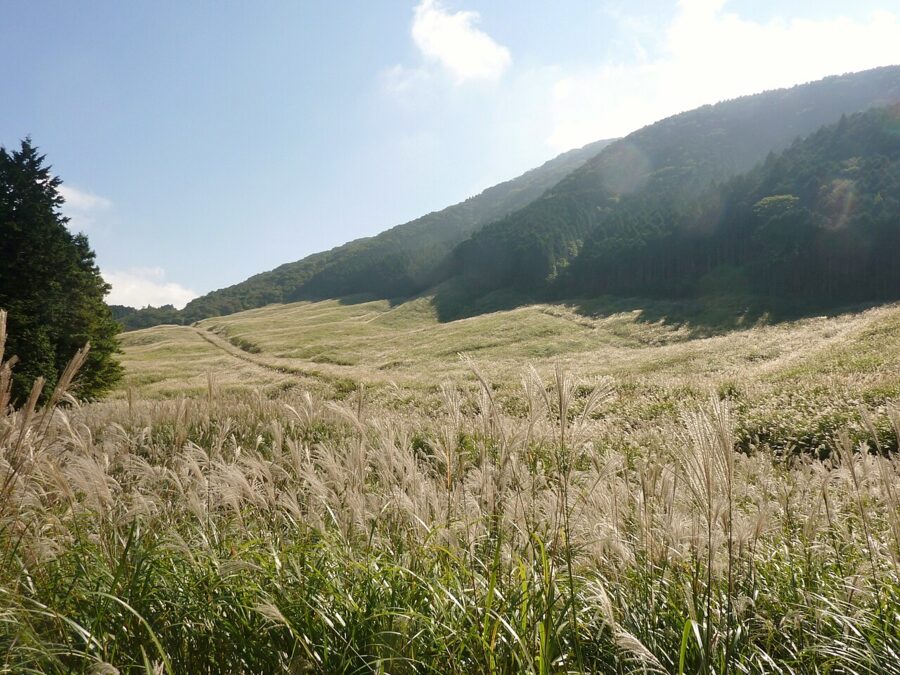
If you want the place the series names as the city, take a bus from Togendai to Sengokuhara instead of the boat, and walk the susuki slope. In autumn it is the best scenery of the trip; the season guide has the rest of the timing. From Moto-Hakone or Sengokuhara, the Hakone Tozan Bus takes you back down to Hakone-Yumoto, slowly on a weekend afternoon.
The official Evangelion stores
These are the official shops as of November 2026. Every one sits in a station building or department store that sets its own closing days.
| Store | Where | Hours |
|---|---|---|
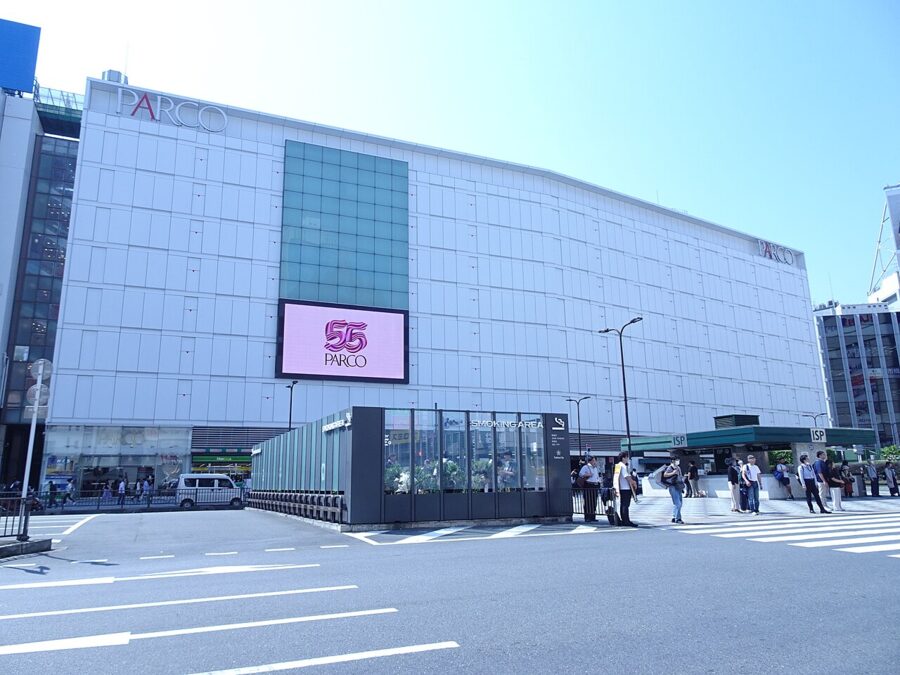
| EVANGELION STORE TOKYO-01 | Ikebukuro PARCO main building, 6th floor, connected to Ikebukuro Station | 11:00 to 21:00 |
| RADIO EVA STORE | Shibuya PARCO, 5th floor | 11:00 to 21:00 |
| EVANGELION STORE OSAKA | LUCUA SOUTH, 11th floor, connected to JR Osaka Station | Opens November 24, 2026 at 10:00 |
| RADIO EVA STORE OSAKA | Shinsaibashi PARCO, 5th floor | 10:00 to 20:00 |
| Hakone-Yumoto Eva-ya | Hakone-Yumoto Station, ground floor | 9:00 to 18:00 |

TOKYO-01 in Ikebukuro is the one to put first. It is the flagship, it is in the station building, and it keeps late hours, so it fits the evening after a Hakone day. RADIO EVA is the franchise’s clothing line, and its Shibuya store is the place for apparel rather than figures and acrylic stands.
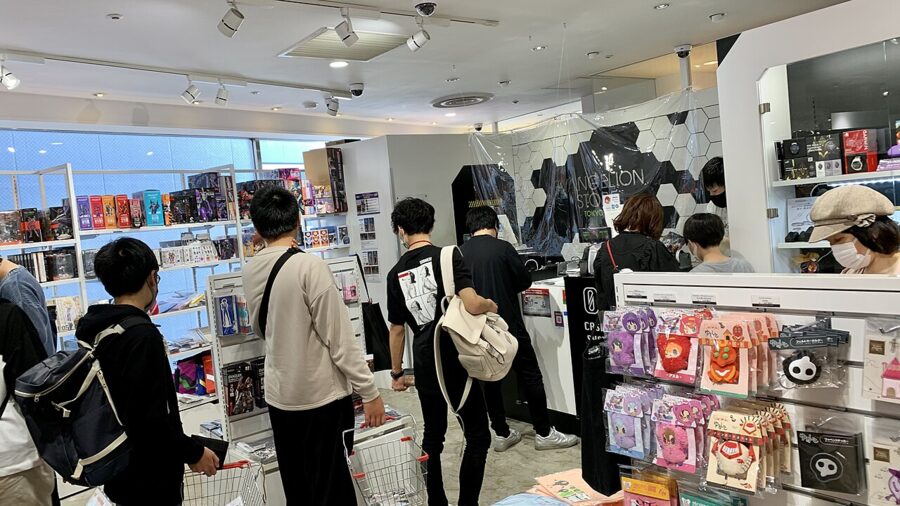

The Osaka store is new: a preview ran from November 17, and the grand opening is Tuesday, November 24, 2026, at 10:00, in LUCUA SOUTH above JR Osaka Station. Confirm its daily hours before you plan an evening visit.

Beyond Hakone: Hamamatsu, Ube and Huis Ten Bosch
The Rebuild films took Evangelion out of Hakone, and three places now reward a fan with extra days.
Hamamatsu and Village 3
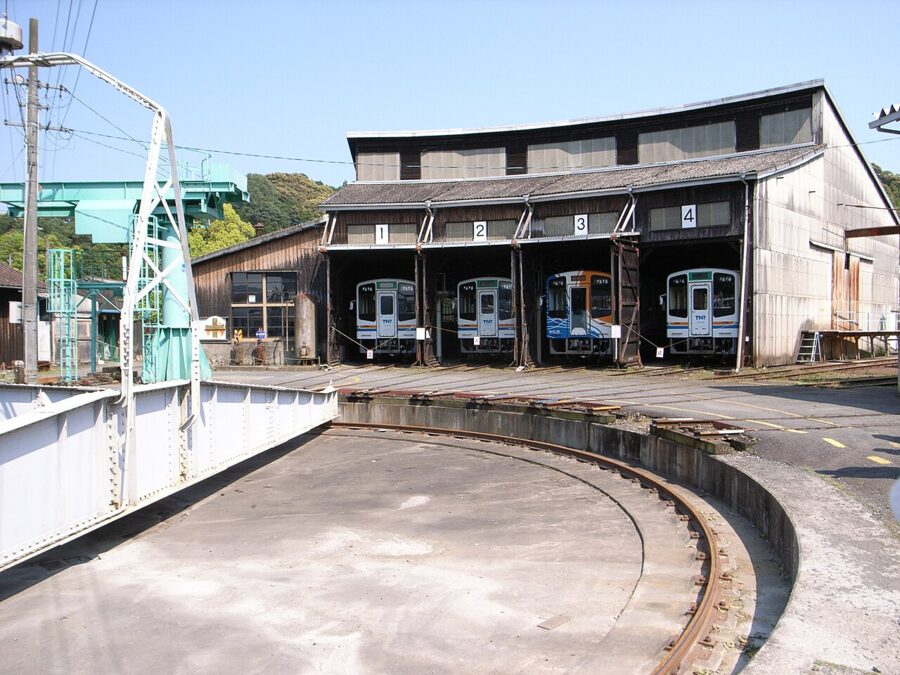
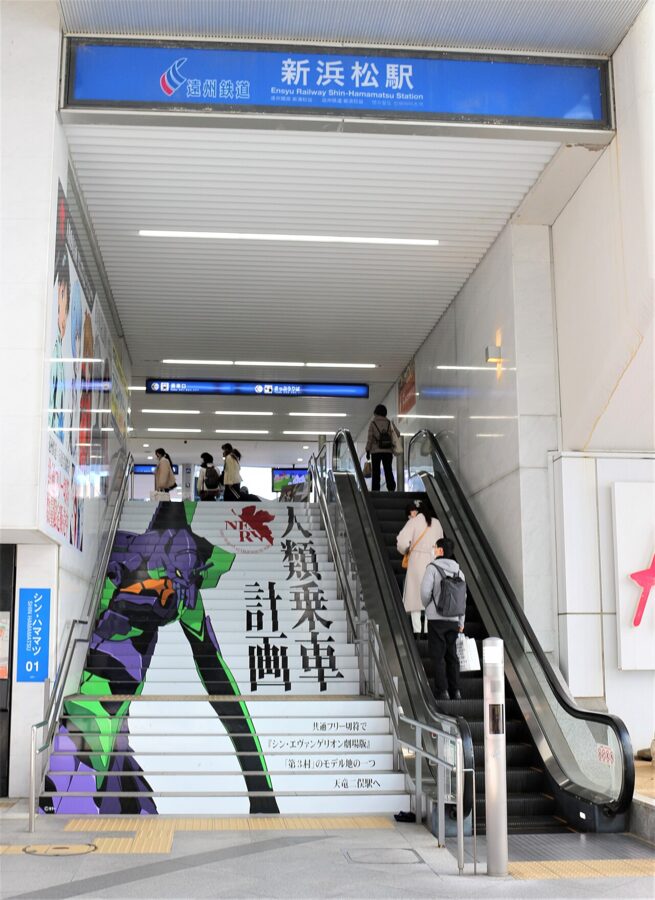
Thrice Upon a Time spends a long stretch in a settlement called Village 3, and fans recognize its railway yard in the turntable and wooden roundhouse at Tenryu-Futamata Station, on the Tenryu Hamanako Railroad in Hamamatsu. The city ran a Shin Hamamatsu Keikaku promotion around the films in 2025 and is running a second year: Eva collaboration dishes and goods from local businesses go on sale across the city from October 2026 to March 2027, as planned.


Ube, Anno’s hometown
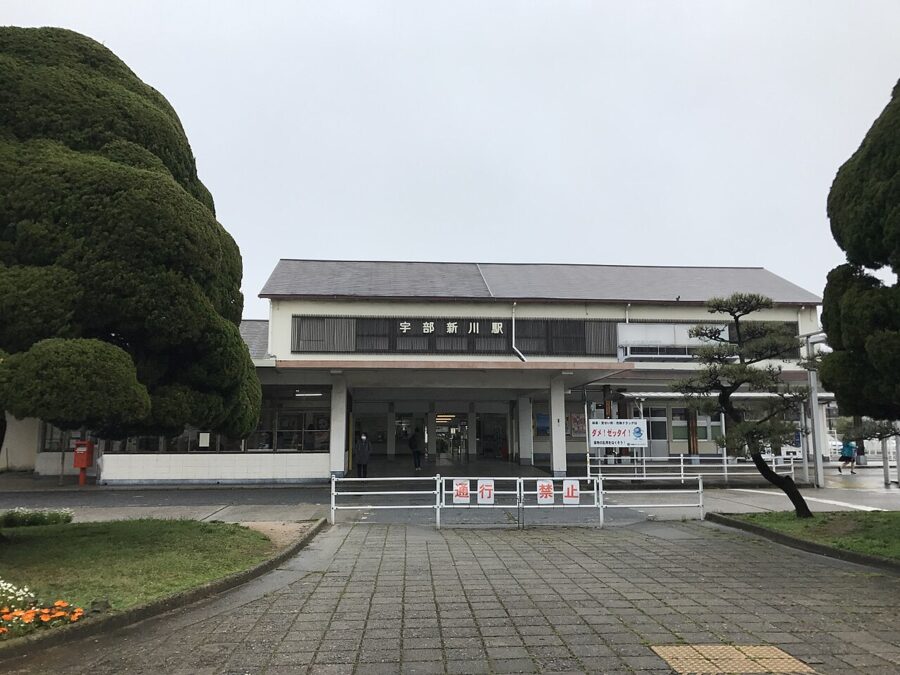
Hideaki Anno grew up in Ube, in Yamaguchi Prefecture, and Ube-Shinkawa Station appears in Thrice Upon a Time. It is an ordinary local station on the JR Ube Line, which is part of the point. Combine it with a Hiroshima or Fukuoka leg rather than making it a trip on its own.

Huis Ten Bosch
A permanent Eva ride opened at Huis Ten Bosch, the theme park in Nagasaki Prefecture, in spring 2026: Evangelion The Ride -8K-, an 8K-screen attraction in the park’s Attraction Town. The park lists no separate ride price, sells an express pass to cut the wait, and requires riders to be at least 100 cm tall and 4 or older. Worth it if you are already in Kyushu; not worth the flight on its own.
Exhibitions and pop-ups: how to find the current ones
Eva exhibitions tour, and each stop lasts about five or six weeks. The 30th-anniversary exhibition ALL OF EVANGELION opened at Tokyo City View in Roppongi Hills, then moved to the Fukuoka City Science Museum, Morioka (July 17 to August 23, 2026) and the new PARCO HALL in Nagoya (September 4 to October 12, 2026). In Nagoya the first three days were timed-entry only, which is the pattern to expect at an opening.
Three official sources catch nearly everything. The Evangelion official site and its 30th-anniversary site list exhibitions, screenings and collaborations; the Evangelion Store site announces fairs and limited goods; and touring exhibitions sell timed tickets through Lawson Ticket, where the listing gives the dates and entry rules. Check all three the month before you fly, then again the week before.
Collaborations run on a shorter clock. Sapporo Black Label’s Eva cans went on sale on April 7, 2026 as a limited run, and tie-ins with McDonald’s and UNIQLO UT came and went around the anniversary. If something is announced for your dates, go early in its run.
Eva also shows up at Japan’s big fan events. AnimeJapan in March is where studios bring new goods and announcements, a September trip can pair Hakone with Tokyo Game Show at Makuhari, and if you cosplay, the World Cosplay Summit in Nagoya moves to November 12-14, 2027.
Book the Romancecar the morning seats open, buy the Freepass, and be at Eva-ya when the shutter goes up at 9:00. The NERV dressing at Togendai came and went; Futagoyama is still standing where Operation Yashima put it, and you can see it from the boat.