
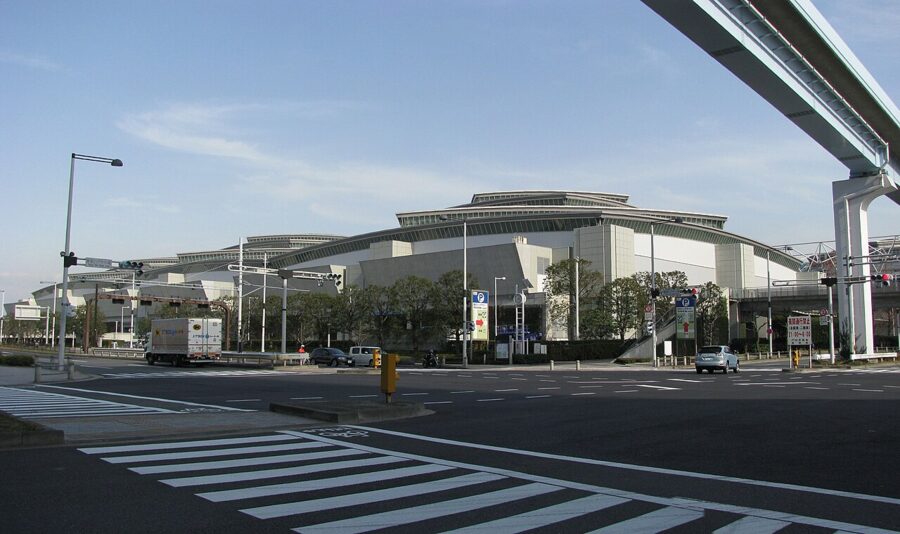
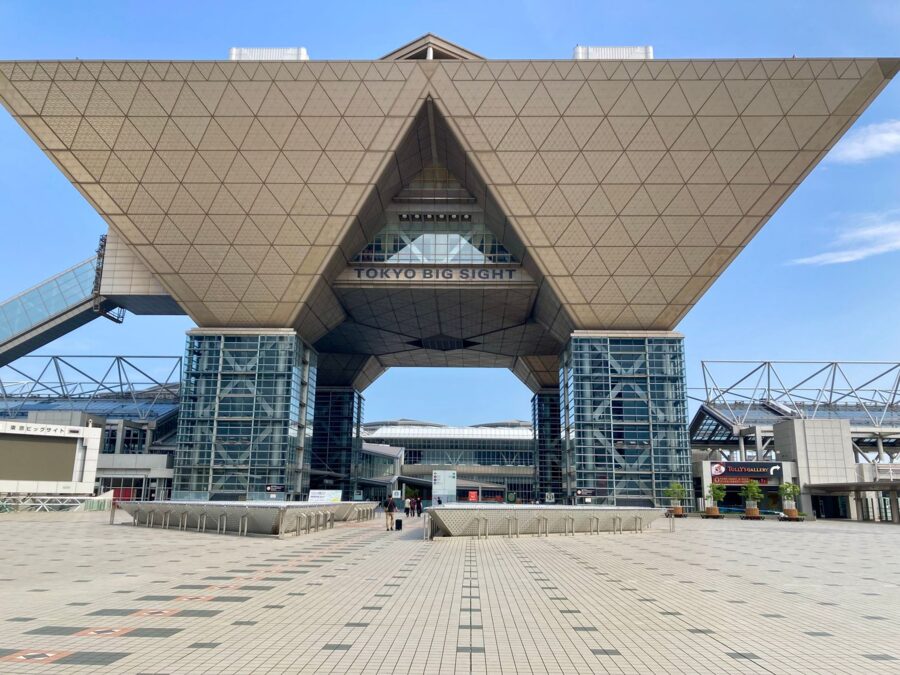
EVO Japan 2027 runs from Thursday, April 29 to Saturday, May 1 at Tokyo Big Sight, which puts the Japanese edition of the Evo fighting-game championship on the first three days of Golden Week. That is the whole planning problem in one line. The tournament is easy to enter and easy to watch, but the flights and rooms around it are the most fought-over of the Japanese year.
The scale has grown fast. The 2026 edition, on May 1 to 3, drew 10,231 players, and its Street Fighter 6 bracket reached 7,168 entrants, the cap the organizer had set. Guinness World Records recognized it as the largest tournament ever held for a single fighting game, beating the 7,083 who entered Street Fighter 6 at Evo in Las Vegas in 2023.
Everything else hangs off that calendar: when passes go on sale, where to sleep, and which nights you keep free for the arcades in Tokyo and Osaka where the same players spend the rest of the week. The arcades matter more than most visitors expect. EVO Japan is three days a year, and a Japanese game center is open tonight.
On this page
When and where EVO Japan 2027 runs
EVO Japan announced the 2027 dates on November 13, 2026: April 29 to May 1, 2027, at Tokyo Big Sight, East Halls 4 to 6. Reports from June 2026 had given April 30 to May 2, so if you see those dates on an older page, they are the ones that changed. The 2026 event used East Halls 1 to 3 and had already grown by a hall on the year before.

Look at the calendar before anything else. Thursday, April 29 is Showa Day, a national holiday, Friday is a working day, and then the holidays come back on Monday, May 3 to Wednesday, May 5. The tournament sits inside Golden Week, when domestic flights, Shinkansen seats and hotel rooms across Japan are at their most expensive and hardest to get.
The 2027 game list, the schedule and the hours had not been published as of November 2026. In 2026 the organizer released the brackets on April 20, about ten days before the event, and players had until April 23 to ask for a schedule change. Expect the same rhythm: you will know which day your pools run only a week or two out, which is why I would book all three nights whatever you enter.
The 2026 lineup and its champions
The 2026 edition ran twelve games, the most in the event’s history, with a total prize pool of ¥30 million (about $200,000). Prize money was split by entrant numbers, and the winner of the biggest bracket took ¥4 million (about $26,700). This is the field the 2027 lineup will be measured against.
| Game | 2026 champion | Grand final |
|---|---|---|
| Street Fighter 6 | Yamaguchi | 3-1 over Punk |
| Tekken 8 | iKARi | 3-1 over Knee, after a bracket reset |
| Guilty Gear -Strive- | Tyurara | 3-1 over Daru_I-No |
| Granblue Fantasy Versus: Rising | Kasausagi | 3-0 over Zangief_Dream |
| Fatal Fury: City of the Wolves | Xiaohai | 3-0 over Laggia |
| 2XKO | Hikari | 3-0 over Supernoon |
| Vampire Savior | Kaji | 3-1 over nakanishi |
| The King of Fighters XV | M’ | 3-0 over Lacid, after a reset |
| Virtua Fighter 5 R.E.V.O. World Stage | Virgo | 3-0 over Yatsuki, after a reset |
| Melty Blood: Type Lumina | Yutta | 3-1 over Moai, after a reset |
| Under Night In-Birth II Sys:Celes | Oushuu-Hittou | 3-0 over Chobi |
| Hokuto no Ken | K.I | 3-0 over Yuttori, after a reset |
Two names on that list connect straight back to the history below. K.I won Hokuto no Ken at Super Battle Opera in 2008, and Vampire Savior, a 1997 arcade game, still has a bracket because players in Tokyo never stopped meeting to play it on real cabinets.
Tickets: entering versus watching
EVO Japan sells two different things, and the difference catches visitors out. To compete, you need a three-day entrance ticket from Ticket Pia plus a separate entry fee for each game on start.gg. Buying only one of them gets you nowhere: an entry without the ticket will not get you through the door, and a ticket alone does not put you in a bracket.
For 2026 the three-day ticket was priced by when you bought it, and the 2027 structure had not been announced as of November 2026. Here is what 2026 cost, so you can budget.
| 2026 ticket | Price | On sale (Japan time) |
|---|---|---|
| Three-day pass, early bird | ¥8,000 (about $53) | December 10, 2025 to January 19, 2026 |
| Three-day pass, normal | ¥10,000 (about $67) | January 19 to March 2, 2026 |
| Three-day pass, late | ¥12,000 (about $80) | March 2 to April 30, 2026 |
| Entry fee, per game (start.gg) | ¥1,000 (about $7) | December 10, 2025 to March 16, 2026 |
| One-day ticket (spectators) | ¥4,000 (about $27) | From March 17, 2026 to the night before each day |
| Premium Area, Sunday finals seat | ¥2,500 (about $17) | From March 24, 2026 |
| Platinum Area, three days | ¥18,000 (about $120) | From March 24, 2026 |
| Cosplay pass, three days / one day | ¥3,000 (about $20) / ¥1,500 (about $10) | To the night before each day |
The early-bird window opened on December 10, nearly five months before the event, and lasted about six weeks. If 2027 follows the same pattern, the cheapest pass goes on sale in early December, so watch the organizer’s site and its X account, @evojapan_info, from early December.
Entering a bracket
Registration closed on March 16 in 2026, six weeks before the event, and each game had a cap. Street Fighter 6 filled all 7,168 places, and the organizer was clear that a ticket holder whose game had filled could not enter it. If you are traveling to compete in the biggest game, register on start.gg the day you buy the pass, not later.
Players must be at least 13 on the day, and 15 for Street Fighter 6, Guilty Gear -Strive- and The King of Fighters XV. Anyone under 18 needs a signed consent form from a parent. Children of preschool age get in free with an adult but get no seat of their own.
Buying from abroad works, with one delay to know about. Ticket Pia sends overseas buyers their e-ticket links by email on the Monday, Wednesday or Friday after purchase, from an address ending in @linkst.jp, so whitelist it. Tickets cannot be changed or refunded once bought.
Watching only
A spectator needs nothing more than a one-day ticket for the day of the finals they care about. The big finals filled the last day in 2026, which with the 2027 dates falls on Saturday, May 1. If you want to sit rather than stand at the main stage, the Premium Area pass bought a free-seating spot in front of it, but only on top of an entrance ticket.
I would buy the cheapest three-day pass even as a spectator if the early-bird price holds. At ¥8,000 against ¥4,000 a day, it pays for itself on the second day and lets you drift between pools, side events and the exhibitor booths.
One door is closed to most visitors. The volunteer and side-event programs are open only to people who live in Japan, so if helping out was the plan, look at volunteering in Japan through other events instead.
From Super Battle Opera to EVO Japan
Japan had its own championship long before Evo came. From 2003 to 2012, Arcadia, the arcade magazine published by Enterbrain, ran Tougeki, known abroad as Super Battle Opera. The format grew out of the arcades themselves: qualifiers were held in game centers all over Japan, the winners met in area finals, and only the last players or teams standing traveled to Tokyo.
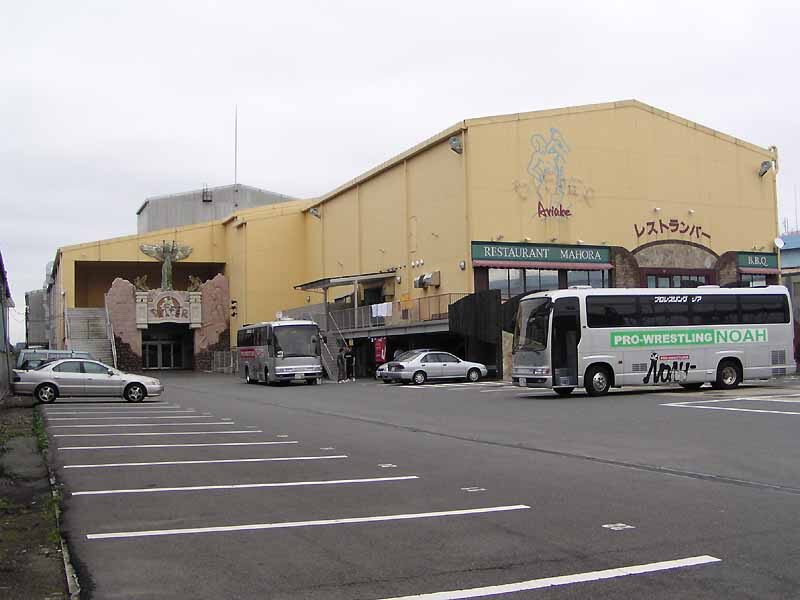

The first finals ran at Makuhari Messe on March 22 and 23, 2003, with seven games. From 2004 to 2008 the finals moved to Differ Ariake, a hall in Ariake that also staged pro wrestling, and in 2007 and 2008 they settled into mid-August. The 2008 finals, from August 15 to 17, ran nine games, from Street Fighter III: 3rd Strike to Hokuto no Ken.
The rules were very different from Evo’s. Brackets were single elimination with no losers’ side, many games were played by teams of two or three in a winner-stays format, and the prize was modest: ¥50,000 (about $333) for a singles title. What it offered was status. A Tougeki title was, with an Evo win, the most prized result in the genre.
The event wandered at the end. In 2010 and 2011 the finals ran inside Tokyo Game Show, the September trade fair at Makuhari Messe, and in August 2012 they moved outdoors to an open-air festival near Narita. Heat, glare on the screens and network trouble dogged that weekend, matches overran, and some players missed the last train home. The organizer then put Tougeki on hold, and it has not returned.
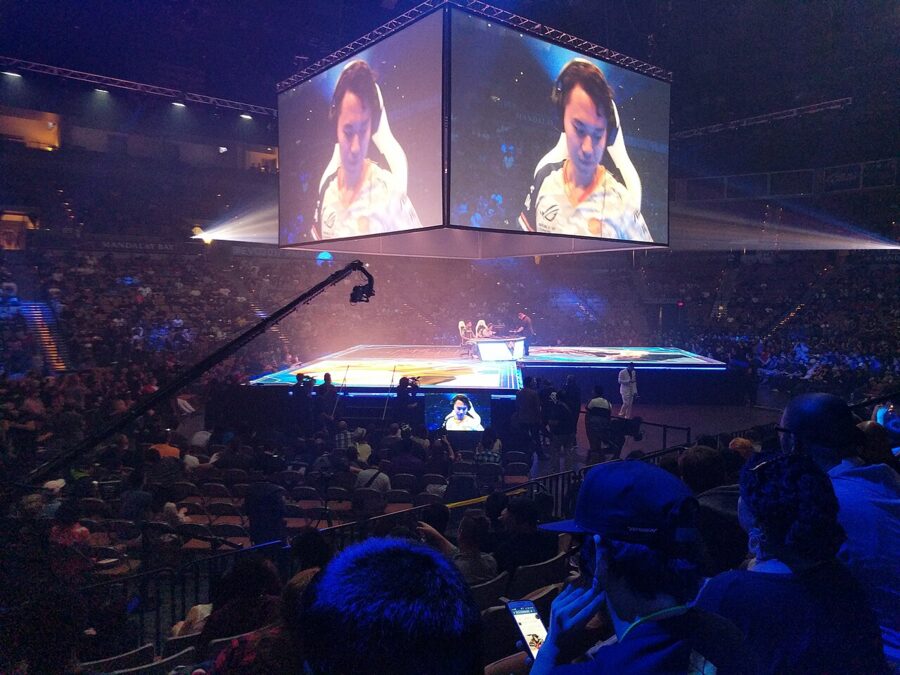

Evo grew from the opposite direction. It started in 1996 as Battle by the Bay, a 40-player tournament in a California arcade, took the Evo name in 2002 and settled in Las Vegas. Anyone who paid could enter, and every bracket was double elimination, so one bad set never ended a run. Japanese players crossed the Pacific for it throughout the Tougeki years.

The first EVO Japan ran in Tokyo from January 26 to 28, 2018, with around 7,000 entries. It moved to Fukuoka in February 2019 and to Makuhari Messe in January 2020. After a pause for the pandemic it came back in 2023, moved into spring, and by 2026 filled three halls of Tokyo Big Sight.
Evo itself now runs a calendar of events. The main Las Vegas event ran from June 26 to 28 in 2026, Evo France ran in Nice from October 8 to 11, and Evo Singapore is set for January 15 to 17, 2027, with a first Evo Brazil in São Paulo from March 26 to 28, 2027. EVO Japan has the loudest home crowd of them all, and in 2026 it finally had a home winner to cheer: Yamaguchi was the first Japanese player to take the Street Fighter 6 title there.
Getting to Tokyo Big Sight
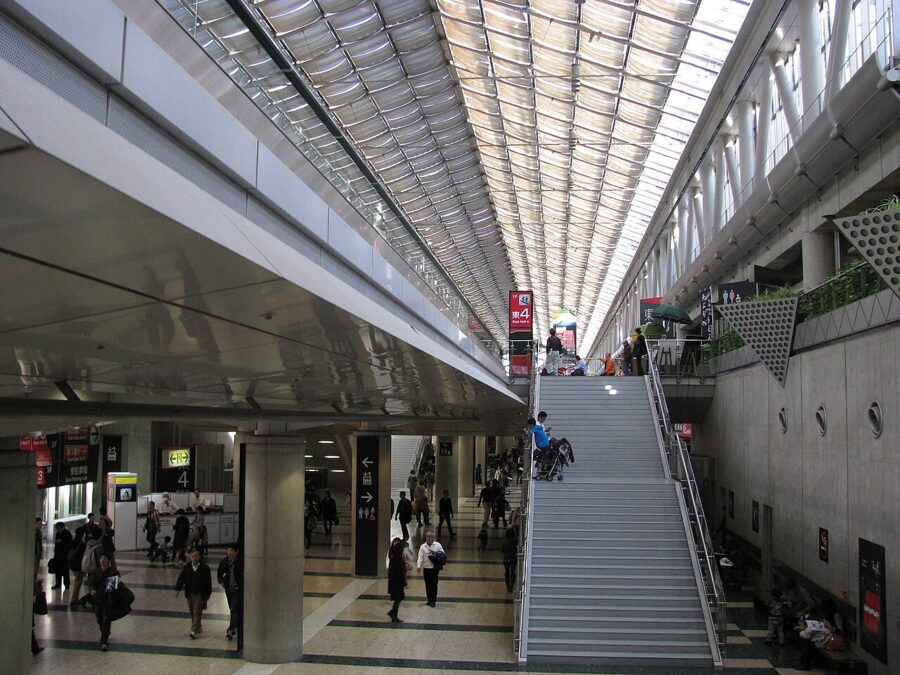
Tokyo Big Sight sits in Ariake on the reclaimed land of Tokyo Bay, and two lines reach it. The Rinkai Line stops at Kokusai-Tenjijo Station, about seven minutes on foot from the halls, and the Yurikamome stops at Tokyo Big Sight Station, about three minutes away. Both take a Suica or other IC card.
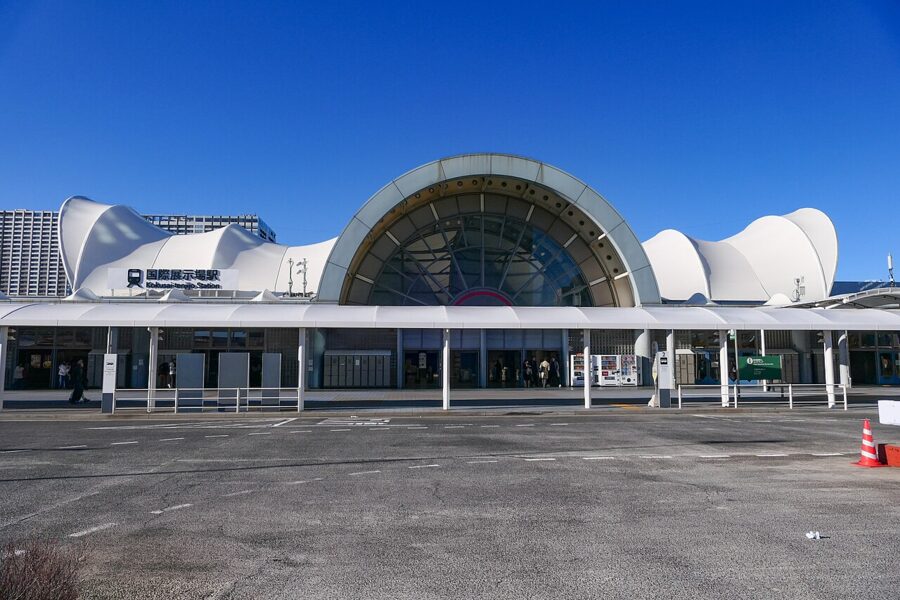
The Rinkai Line is the quicker way in from the west side of Tokyo. The ride is about 25 minutes from Shinjuku, 20 from Shibuya and 30 from Ikebukuro. The Yurikamome is the driverless line that loops out over the bay from Shimbashi, slow but scenic, and the better choice from Shimbashi, Ginza or Toyosu.
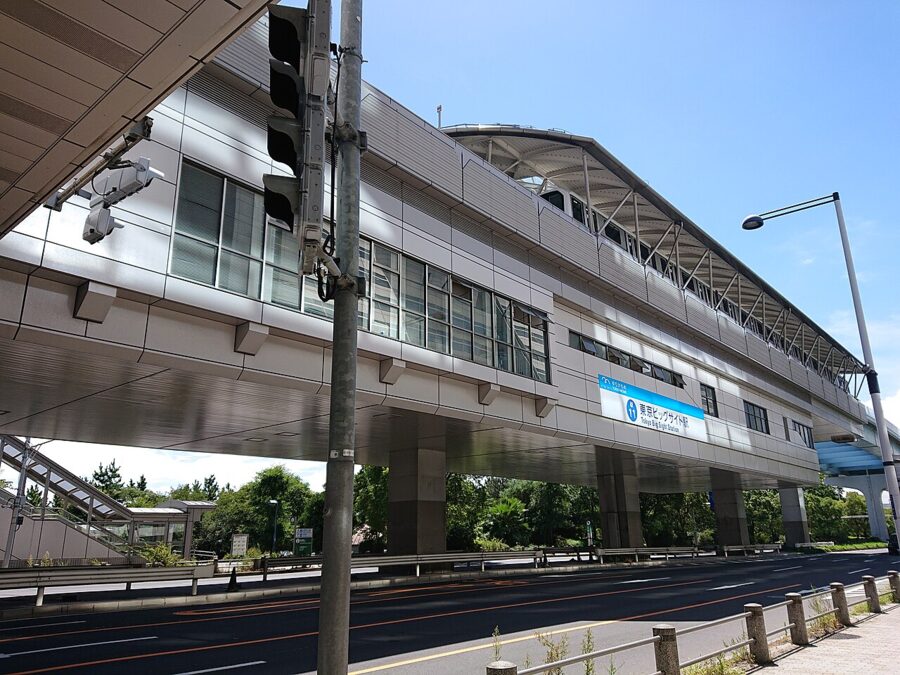

Yurikamome fares, as of November 2026: Shimbashi to Tokyo Big Sight is ¥390 (about $3) with a paper ticket or ¥388 by IC card, and Toyosu to Tokyo Big Sight is ¥260 (about $2), or ¥251 by card. The one-day pass costs ¥820 (about $5), which only pays off if you also ride out to Odaiba or across to Toyosu on the same day.
From the airport, the Airport Limousine Bus runs to Tokyo Big Sight. The ride takes about 25 minutes from Haneda and about 60 from Narita, and the Haneda fare is ¥1,000 (about $7). If you land on April 28 with an arcade stick and a suitcase, that bus to the door beats two train changes.
There is a third way in for anyone staying near the river. Water buses stop at Ariake Terminal, about two minutes from the halls, though they run on a timetable rather than every few minutes, so check it before you count on one for a morning pool.
Where to stay for three days at Big Sight
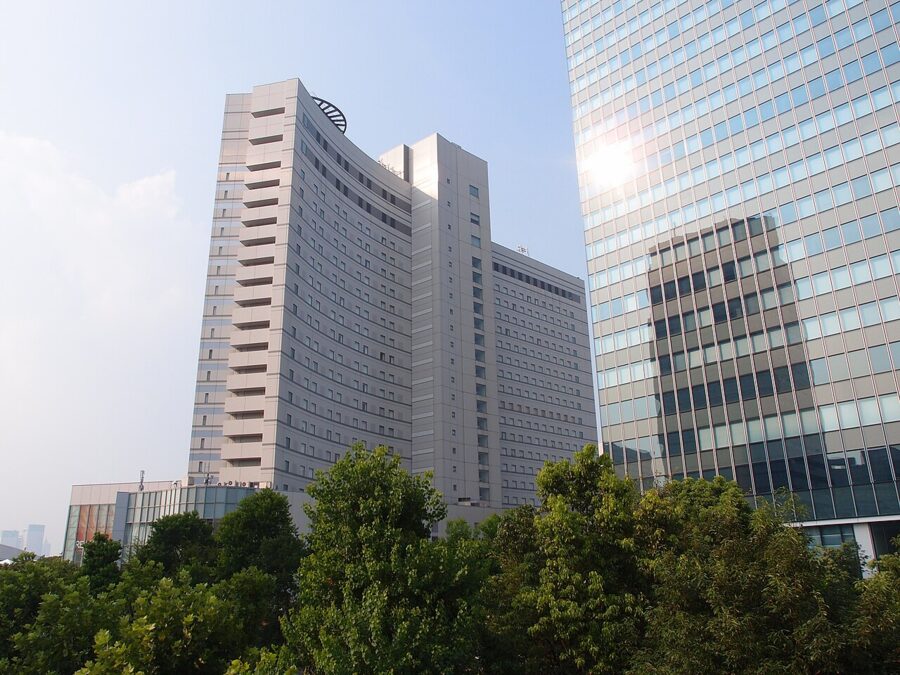
The choice comes down to what you are there to do. If you are competing, sleep in Ariake or one stop away, because pools start early and you do not want a transfer between you and a check-in desk. The Tokyo Bay Ariake Washington Hotel sits three minutes from Kokusai-Tenjijo Station, and rooms near the halls go first in any event week, so book the moment you commit.

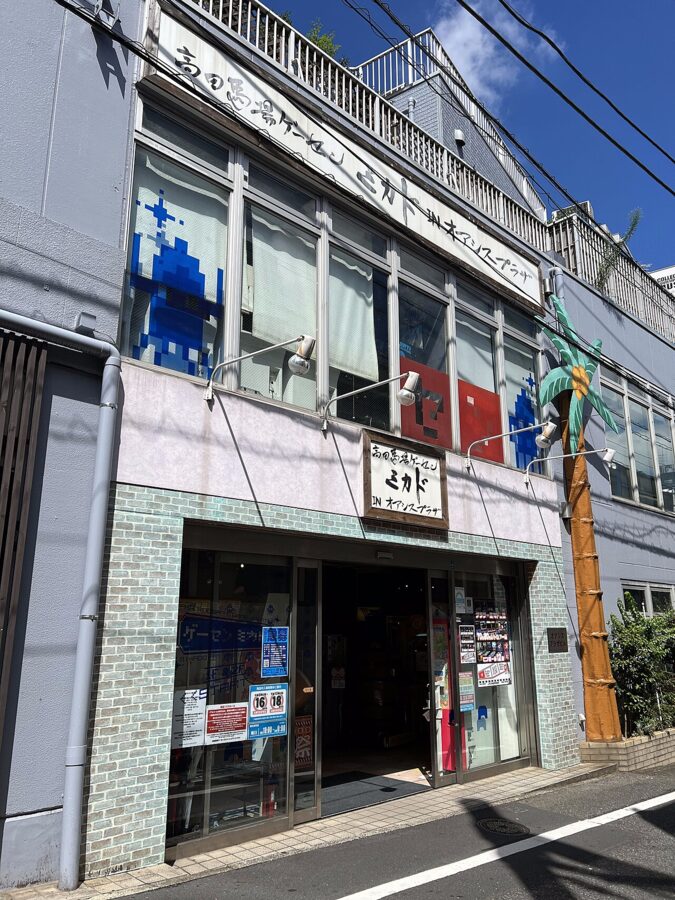
If you are watching, stay along the Rinkai Line or in Shinjuku or Ikebukuro. You give up 25 to 30 minutes each way, but you gain the city at night: Game Center Mikado has branches at Takadanobaba and Ikebukuro, and both are a short ride from those districts. Shimbashi and Toyosu, at the two ends of the Yurikamome, are the middle ground.
Whatever you choose, book early and book refundable. Golden Week rooms in Tokyo cost well above a normal spring week, and the tournament schedule will not tell you which day your pools run until mid-April. A refundable rate for all three nights, booked as soon as the 2027 passes go on sale, is the cheapest insurance on the trip.
Fighting-game arcades in Tokyo and Osaka
Japanese game centers are where this scene was built, and a handful still run versus cabinets, weekly sessions and tournaments for older games that the big events have left behind. These are the ones I would put on an EVO Japan trip, with hours as of November 2026. Hours change around holidays, so check each shop’s site or X account the day you go.
| Arcade | Nearest station | Hours (as of November 2026) |
|---|---|---|
| Game Center Mikado, Takadanobaba | Takadanobaba (JR Yamanote, Seibu, Tokyo Metro) | 10:00 to 24:00 |
| Game Center Mikado, Ikebukuro | Ikebukuro, east side | 10:00 to 24:00 |
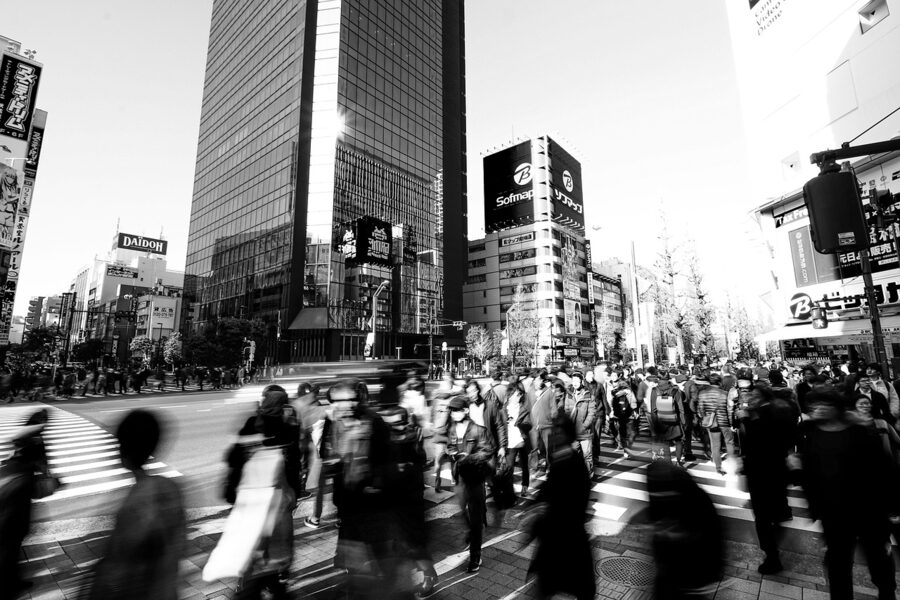
| Hey, Akihabara | Akihabara, Electric Town exit, 2 minutes | 10:00 to 23:30, every day |
| Taito Station Shinjuku South Exit Game World | Shinjuku, south side | 10:00 to 01:00, every day |
| KO-HATSU, Osaka | Minami-Morimachi exit 4-B, 2 minutes | Mon to Fri and holidays 17:00 to 24:00; Sat 12:00 to 24:00; Sun 12:00 to 23:00 |
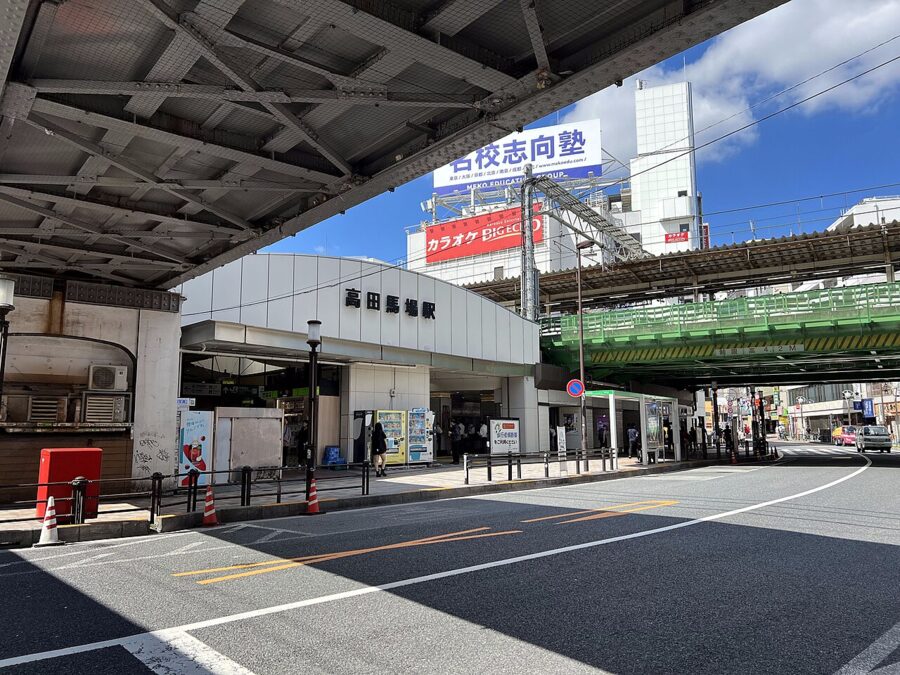
Game Center Mikado, Takadanobaba
Mikado is the name every visiting player knows. The Takadanobaba shop, on the ground and first floors of the Oasis Plaza building at Takadanobaba 4-5-10, mixes retro cabinets with fighting games and runs a full program of tournaments and versus nights, many of them streamed. Mikado’s 2026 calendar included world tournaments for Fatal Fury Special and Tokimeki Memorial Taisen Puzzle-dama, a Vampire Hunter three-on-three, and a Puzzle Bobble 3 tournament.
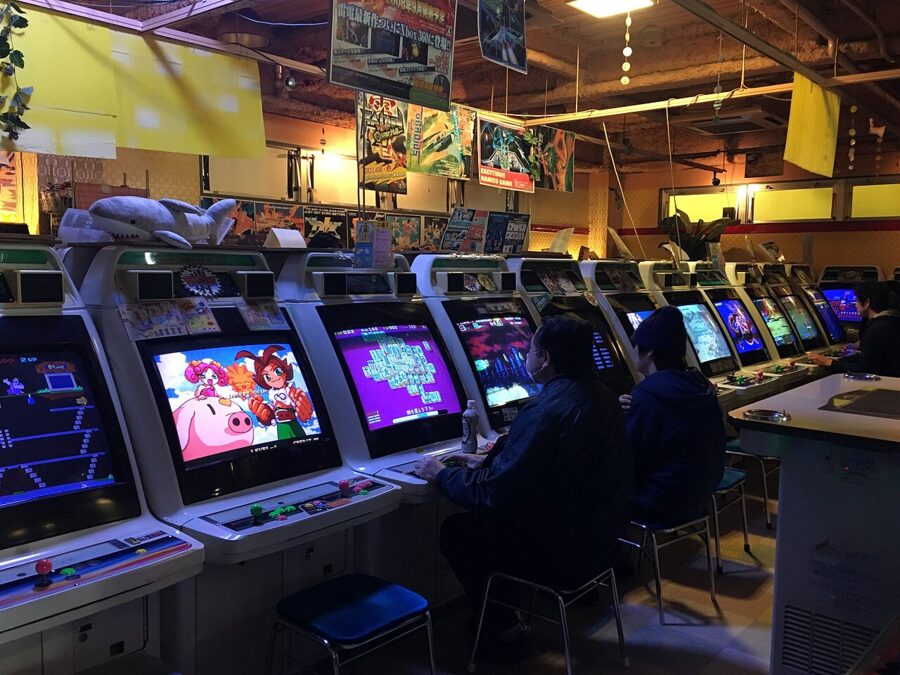
It is open 10:00 to 24:00. Its sister arcade in the Shiratori building nearby, Natsuge Mikado, closed in 2025, so ignore any guide that sends you there. Take 100-yen coins; the change machine works, but the queue for it on a tournament night does not.
Game Center Mikado, Ikebukuro
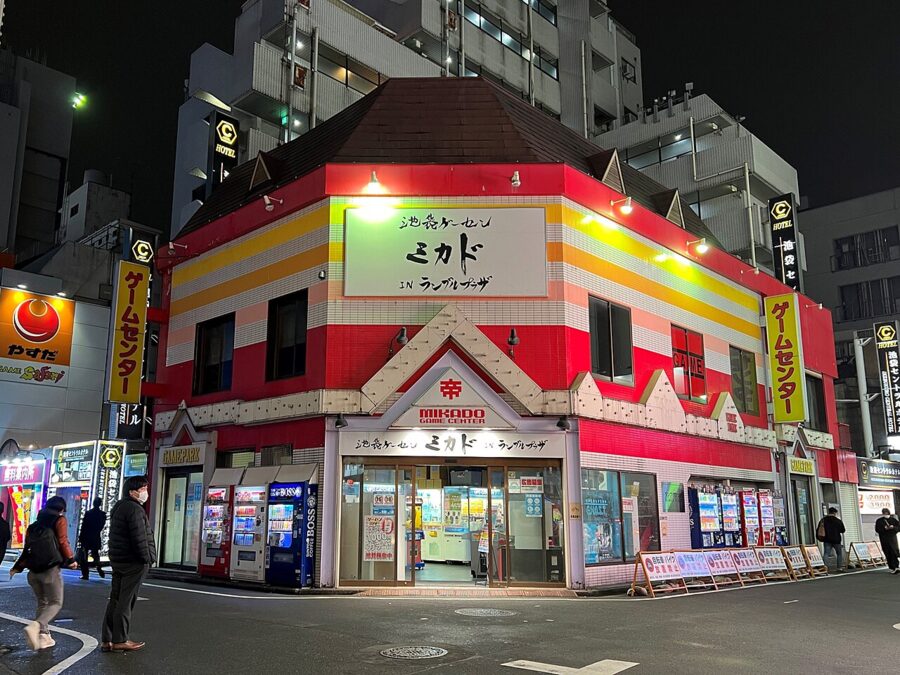
The Ikebukuro branch, at Higashi-Ikebukuro 1-42-19 on the east side of the station, keeps the same 10:00 to 24:00 hours. It is the place for Vampire Savior, the 1997 Capcom game that still had an EVO Japan bracket in 2026: its Thursday versus sessions were running through the summer of 2026. Virtua Fighter players use it for ranking tournaments too.
Hey, Akihabara
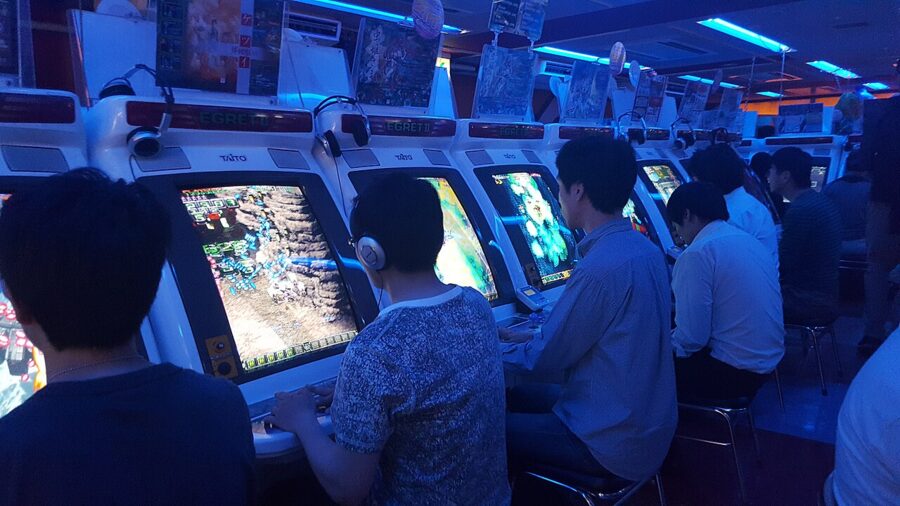
Hey, run by Taito at Sotokanda 1-10-5, two minutes from the Electric Town exit of JR Akihabara Station, is the big one: several floors and more than 300 video games, open 10:00 to 23:30 every day. It is famous for shooting games, but the fighting games matter too, and its machines have included Street Fighter V and Tekken 7 cabinets. In August 2026 Taito opened Hey2 next door, which is mostly crane games, so walk past it to the original.

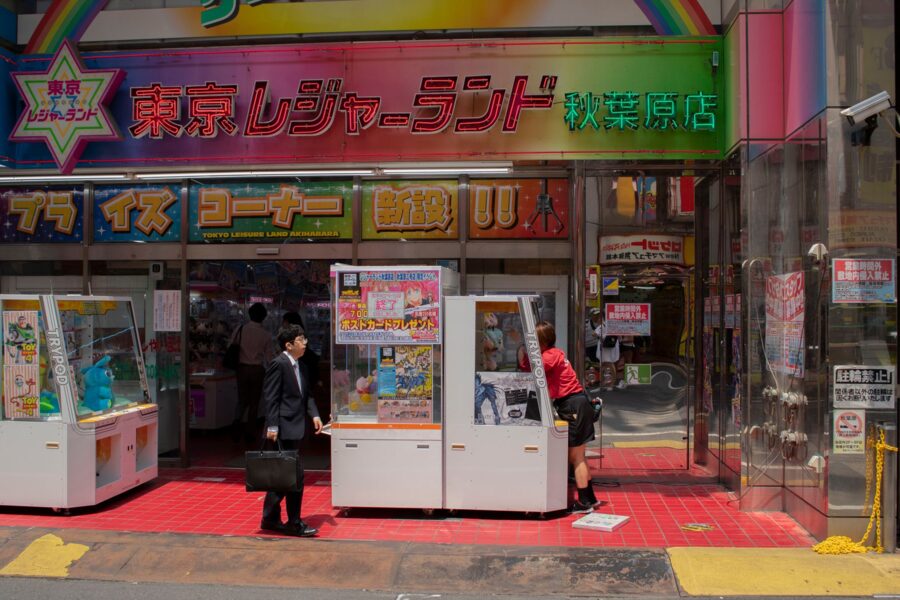
Akihabara has bigger arcades by floor space, but most of what you see from the street is crane games and photo booths. Go up the stairs. In most Akihabara game centers the video games, and the people who take them seriously, are on the higher floors.
Taito Station Shinjuku South Exit Game World
For a late session, Taito Station’s Shinjuku South Exit Game World at Shinjuku 3-35-8 opens from 10:00 to 01:00 every day. It is one of the Taito arcades with Street Fighter 6 Type Arcade, the cabinet version of the game that headlines EVO Japan, which lets you play the current tournament game on an arcade stick after a day of watching it. Under Japanese law, anyone under 18 has to leave a game center by 22:00, whatever the shop’s closing time.
KO-HATSU, Osaka
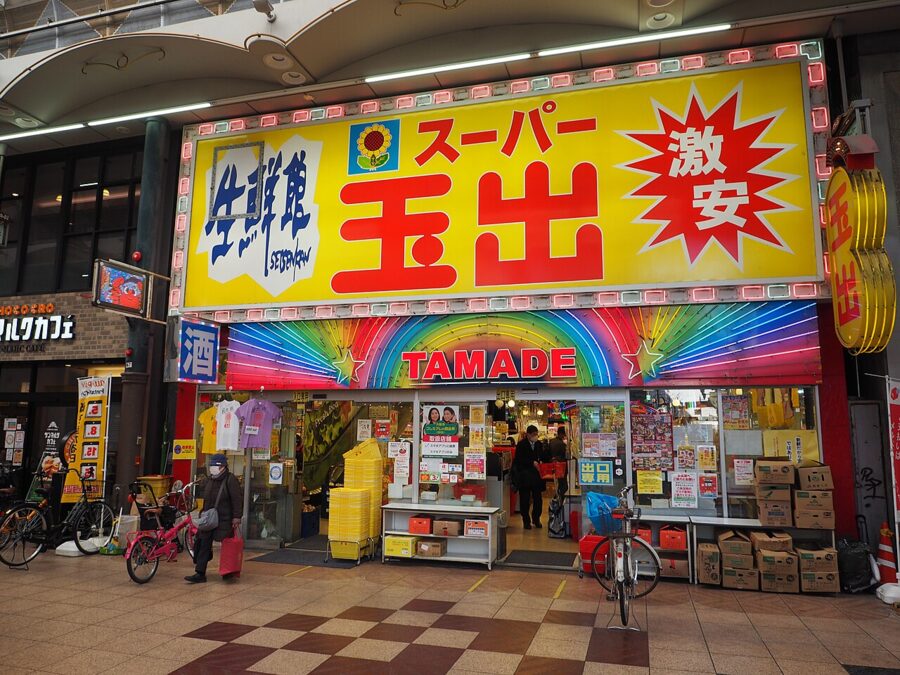
If your trip continues to Osaka, KO-HATSU is the arcade to plan around. It sits at Tenjinbashi 2-2-21, inside the covered Tenjinbashisuji shopping street, two minutes from exit 4-B of Minami-Morimachi Station on the Tanimachi and Sakaisuji lines, or from exit 7 of Osaka-Temmangu Station on the JR Tozai Line. The shop has run since 2005.
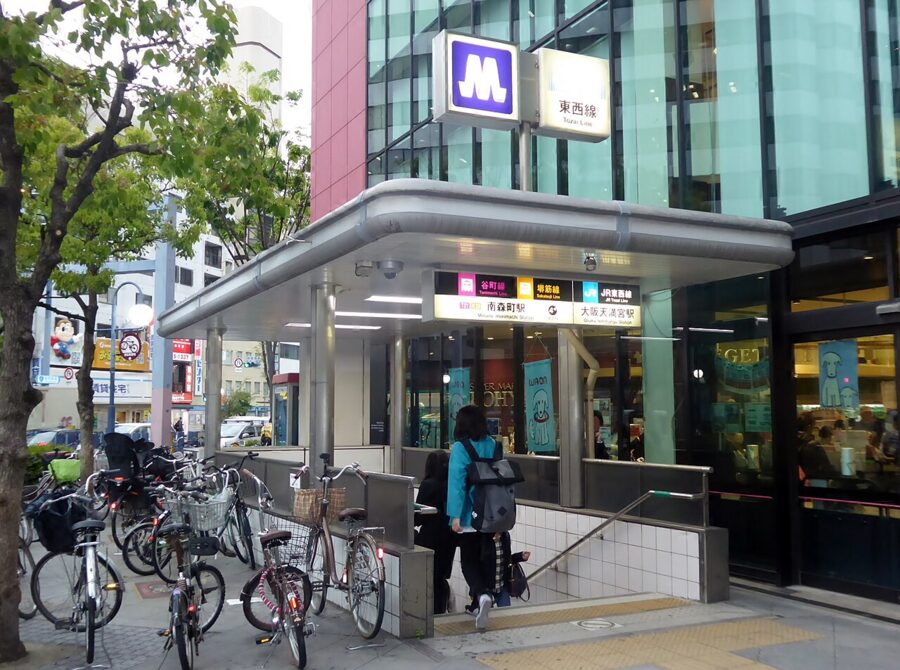

It is a video-game-only shop, and fighting games are the core of it. As of November 2026 it runs two Street Fighter 6 Type Arcade cabinets, up to seven versus pairs on the NESiCAxLive network, and a bank of exA-Arcadia machines with newer independent fighters such as Chaos Code. It has run more than 60 Street Fighter 6 Type Arcade tournaments, and on August 29 and 30, 2026 it hosted the second official national tournament for Enuain Kanzen Sekai Anastasis, an independent 2D fighter.
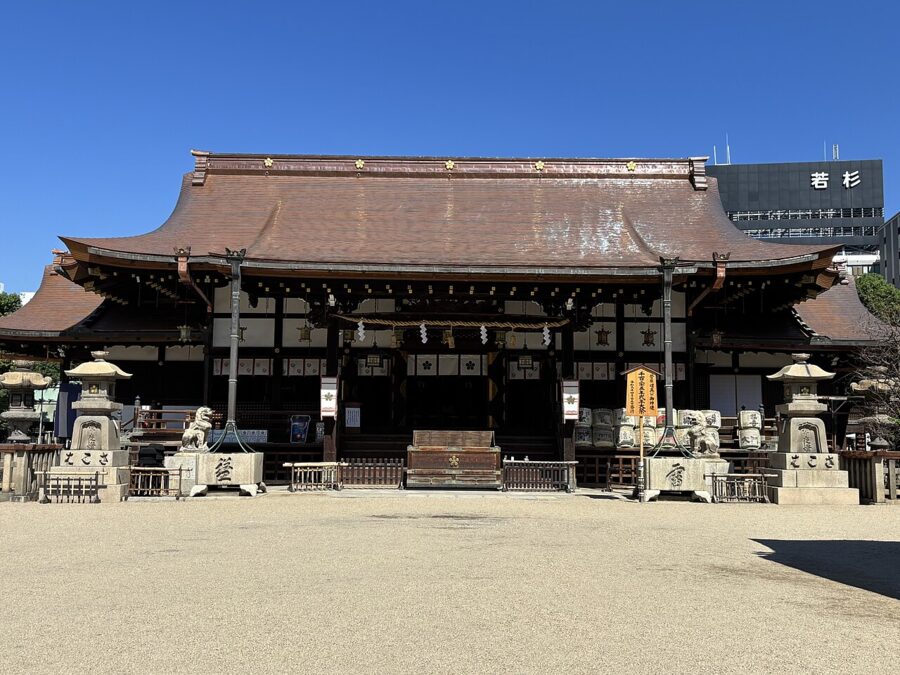
Mind the hours, which are unusual. KO-HATSU opens at 17:00 from Monday to Friday and on public holidays, and at 12:00 on weekends, closing at 24:00 except on Sundays, when it shuts at 23:00. In Golden Week that means a holiday afternoon is not an arcade afternoon. Recording your matches is free.

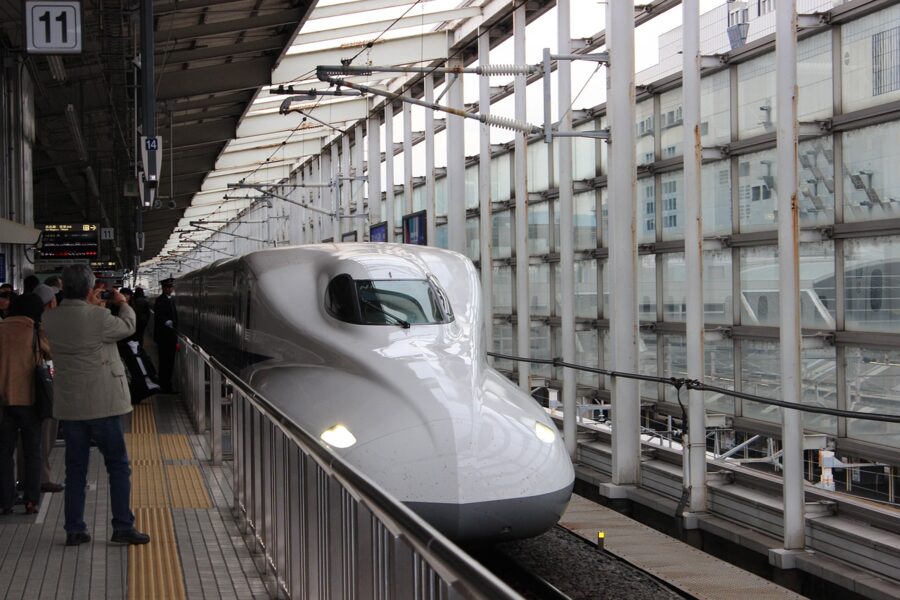
Getting there from Tokyo is about two and a half hours by Nozomi to Shin-Osaka. JR sells reserved seats a month ahead, and Golden Week departures go early, so if Osaka is on the plan, buy that seat the morning it goes on sale rather than after the tournament.
Etiquette at Japanese arcades and at EVO Japan
The Japanese arcade has its own manners, and none of them are hard. Fighting games are set up as versus cabinets, taisen-dai (対戦台), two machines back to back so that you cannot see your opponent. Putting a coin in the other side while someone is playing, rannyu (乱入), is a challenge, and it is completely normal. Nobody expects you to ask first.
What is frowned on is the opposite: keeping a cabinet to yourself. If people are waiting, do not feed in coin after coin when you lose, the habit Japanese players call renko (連コ). Wait your turn as the regulars do, keep commentary on other people’s play to yourself, and never slam the buttons or lever of a shop’s machine.
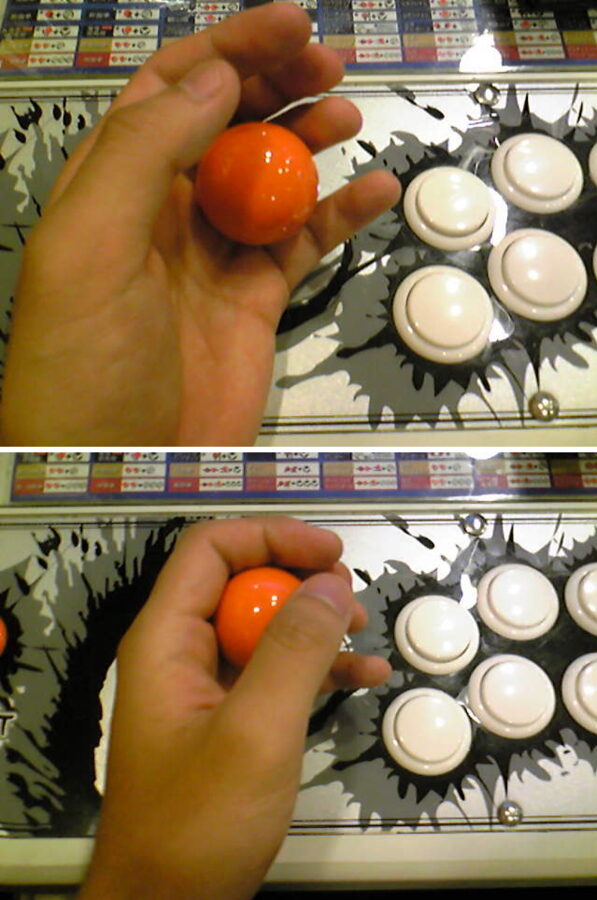
Take the cue from the room on cameras. Many shops stream their own tournaments, and players record their own sets, but filming the person next to you without asking is not welcome. Most Tokyo arcades are non-smoking inside now, and remember the 22:00 limit for anyone under 18.
At the tournament
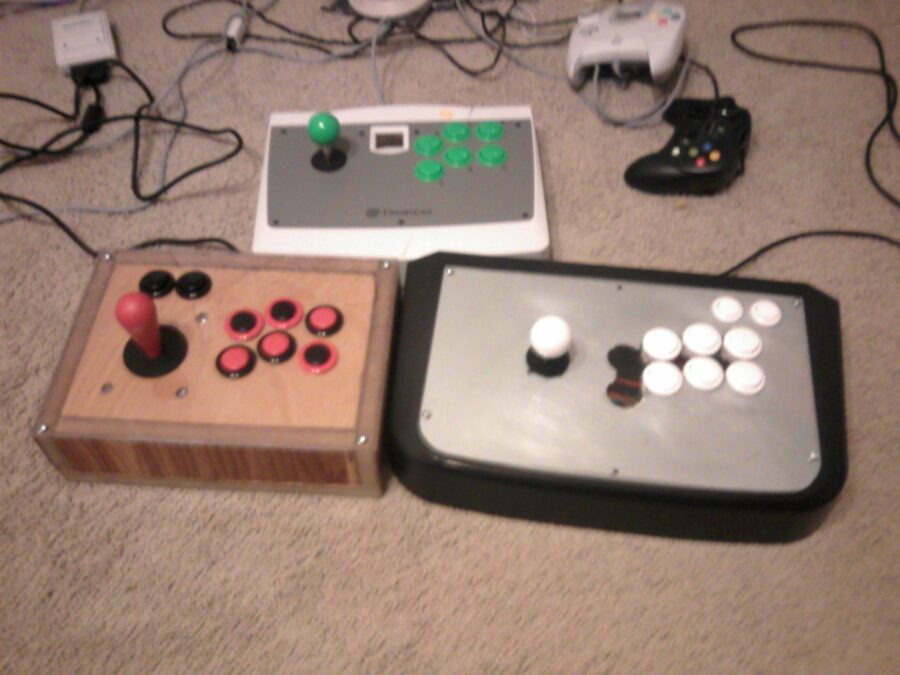
EVO Japan is bring-your-own-controller, and none are lent out. Test that yours works on a PlayStation 5 before you fly, because that is the hardware for most games, and the organizer gives no guarantee for a pad or stick that does not connect. Players in pools at the same time may not share a device, so a friend’s spare stick is not a plan.

Be at your pool on time and check in with the bracket referee, because lateness is normally a forfeit. Sides are chosen by rock-paper-scissors, the winner keeps their character and the loser may change, and the next set must start within 60 seconds of the last. Hardware macros and turbo buttons are banned, and pausing during a game costs the round.
The rest is the same courtesy as the arcade. Shake hands or bow after the set, report the result to the referee together, and if you need to leave your pool area, tell the referee when you will be back.
What I would book first
Golden Week decides this trip more than the bracket does. Book refundable rooms for the nights of April 28 to May 1 now, flights as soon as you commit, and the three-day pass on the first day the 2027 early-bird sale opens, then register for your game on start.gg the same afternoon. The arcades need no booking at all: land, check in, and find a versus cabinet in Takadanobaba the night before the halls open.