
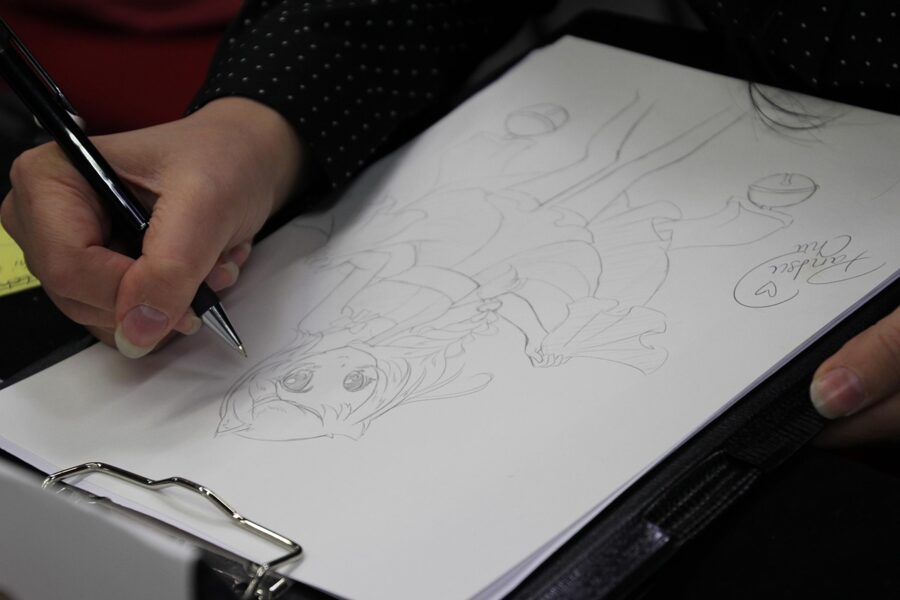
Two hours at a drawing desk with a Japanese manga artist costs ¥15,000 to ¥23,000 (about $100 to $155) in Tokyo, and you can book it from home this week. A manga degree costs ¥1,579,000 (about $10,500) a year in tuition, starts only in April and needs a student visa plus enough Japanese to pass an interview in it. Almost every visitor belongs at the first end of that range.
The real question is how many two-hour blocks to stack, and which museums to put around them. Prices below are as of November 2026, converted at about ¥150 to the dollar.
The short version: for a one-off, book a two-hour class at MANGA DOJO Tokyo in Ikebukuro or Manga School Nakano. For a week or more of real progress, book a run of private lessons in Nakano, which are taught directly in English. Only think about a school or university if you plan to live in Japan for two years or more and already read Japanese.


On this page
- The four ways to study manga in Japan
- One-day manga workshops in Tokyo and Kyoto
- Short courses: three days to six months
- Vocational schools and universities
- Visa basics: Temporary Visitor or Student
- What to bring
- What a lesson day looks like
- The manga museums to add
- Pairing a course with anime events and a homestay
The four ways to study manga in Japan
The phrase “manga course” covers four very different products. Two of them fit inside a normal trip, and two of them need you to move to Japan. Here is how they sort.
| One-day workshop | Short course | Vocational school | University | |
|---|---|---|---|---|
| Length | 2 hours | 3 days to 6 months | 2 years | 4 years |
| Teaching language | English or interpreted | English (Nakano), interpreted (MANGA DOJO) | Japanese only | Japanese only |
| Cost as of November 2026 | ¥15,000 to ¥23,000 per person for a solo booking | ¥198,000 (about $1,320) for MANGA DOJO’s 10-hour private course, solo | Set in each school’s admission guide | ¥1,579,000 a year at Kyoto Seika, plus ¥200,000 (about $1,330) to enroll |
| Entry status | Temporary Visitor | Temporary Visitor for stays up to 90 days | Student | Student |
| Japanese needed | None | None | JLPT N2 or a year of language school | JLPT N2 or EJU equivalent |
My rule: if your trip is under two weeks, book two or three workshops at different schools rather than one longer course. You learn more from three teachers’ corrections than from one teacher’s syllabus you will not finish.
One-day manga workshops in Tokyo and Kyoto
All three of the options below take bookings from abroad, and two of them run in English. None needs any drawing experience, and all of them hand you the real tools: a dip pen with a G-pen nib, manga ink and proper manuscript paper.
MANGA DOJO Tokyo, Ikebukuro
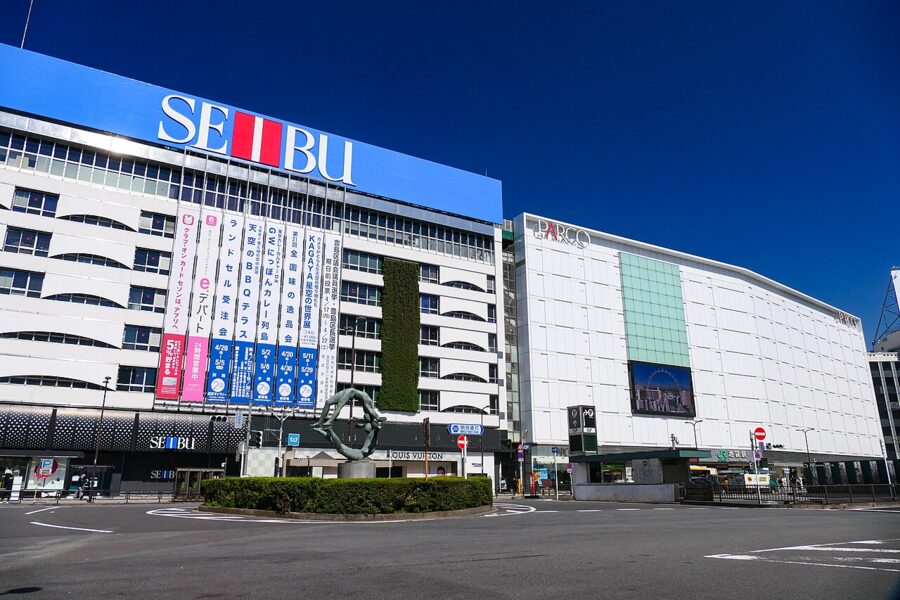
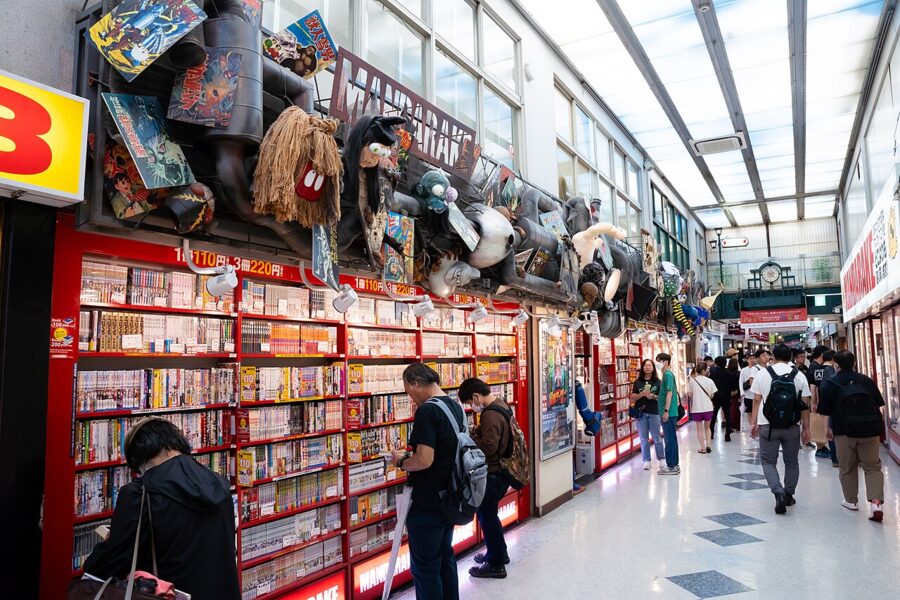
MANGA DOJO runs a 2-hour class three times a day, every day, a short walk from Ikebukuro Station. The 10:00 beginner session is pitched at children and families, the 13:00 intermediate session covers character design, chibi figures and a four-panel strip, and the 15:15 advanced session covers panel layout, anatomy and a career Q&A with a working artist. Teachers are trained and supervised by professional manga artists, and every session includes English interpretation.

All three levels cost the same, per person: ¥23,000 (about $155) for one, ¥20,000 (about $135) each for two, and ¥18,000 (about $120) each for three to eight. Children 4 and under are free, and a fully private session adds ¥22,000 (about $145). Chinese interpretation is an extra ¥20,000.
Book through the form on the school’s site, giving at least two date options. The school answers within 12 hours and sends a Stripe invoice, and your place is confirmed once it is paid.
Manga School Nakano International
Manga School Nakano has taught foreign students since 2013, and the difference is the teaching language. Nao Yazawa, who drew Wedding Peach, teaches in English herself, so there is no interpreter between you and the correction. The school is at 2-7-13 Arai, Nakano, about 10 minutes on foot from the north exit of Nakano Station, one stop from Shinjuku.

A lesson is 2 hours. A private lesson is ¥15,000 (about $100), and the price drops to ¥10,000 (about $65) each for two to four people and ¥8,000 (about $55) each for five to ten. Classes run Monday to Friday at 10:00, 13:00 and 16:00, with an evening slot from 17:30 or 18:30, so plan your Nakano days for weekdays.
Each lesson, or two-lesson day, covers one subject: drawing a character, facial expressions, chibi mascots, a four-panel strip, or a scene with a perspective background. Apply through the contact form or by email; the school takes no phone calls. Cancel by 18:00 Japan time the day before, or you pay in full, and the ¥1,084 (about $7) deposit per person is never refunded.
In Kyoto: the manga museum’s own workshops
The Kyoto International Manga Museum runs three kinds of workshop, all taught in Japanese. If you need English, you bring your own interpreter. That rules them out for most visitors, but the private Premium Workshop is the one place in Kyoto where a professional will look at your own pages.
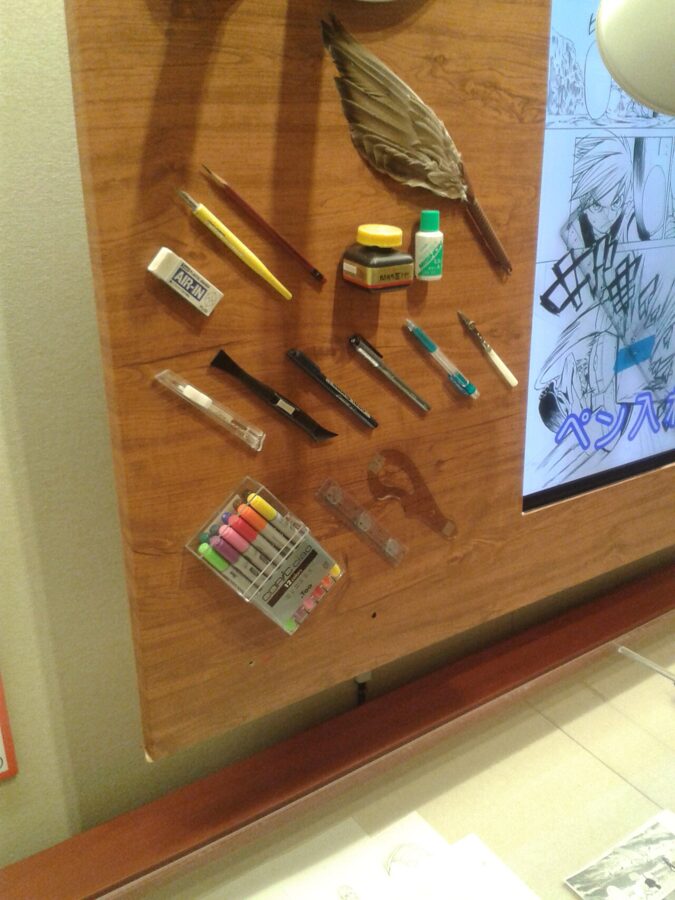

- Premium Workshop: a private session of 60 to 90 minutes for ¥20,000 (about $135) per person, plus museum admission. You must bring your own artwork. Apply between two months and two weeks ahead, and expect a full charge if you cancel within seven days.
- Manga Artist Experience (inking): a 60-minute group class at ¥6,000 (about $40) for three people and ¥2,000 (about $13) for each extra person. Groups under three still pay for three, payment is cash on the day, and the museum suggests bringing an apron.
- Manga Studio: artists draw in the first-floor atrium every Saturday, Sunday and public holiday from 10:30 to 16:30. You can ask one of them a drawing question, in Japanese, for ¥500 (about $3) per 10 minutes, no booking needed.
Language schools sometimes add manga too. GenkiJACS, for example, lists a manga drawing class among the Saturday culture activities at its Tokyo school, but the activities follow a monthly schedule you cannot choose. Treat that as a bonus, not a course.
Short courses: three days to six months
A short course here means private lessons stacked toward a goal, usually a short story of your own.
MANGA DOJO’s 3-day course is 10 hours of private teaching over three days, ending with a finished one-shot manga of four or eight pages. You pick three or four topics from a list before you arrive. It costs ¥198,000 (about $1,320) for one person, ¥99,000 (about $660) each for two, or ¥66,000 (about $440) each for three to eight booked together.

Manga School Nakano builds short courses from its 2-hour lessons at the same per-lesson price, so five lessons cost ¥75,000 (about $500) solo. The school suggests themes such as a two-day character-creation block or a three-day storyboard for a four-to-eight-page story, and can schedule them on consecutive days for travelers. Ten 2-hour lessons over two weeks cost less than MANGA DOJO’s three days, and that is the plan I would book.
Nakano’s long courses are for people who already live in Japan. The 12-week Manga Production course aims at a finished one-shot of 8 to 16 pages, and the Manga Drawing Deluxe course runs once a week for six months through faces, bodies, backgrounds and composition. Both outlast a 90-day visitor stay, which is the next section’s problem.
Vocational schools and universities
This is where manga study in Japan stops being a trip. Every program below is taught entirely in Japanese, starts in April and requires Student residence status. None of them is a way to learn to draw while you also learn the language from zero.
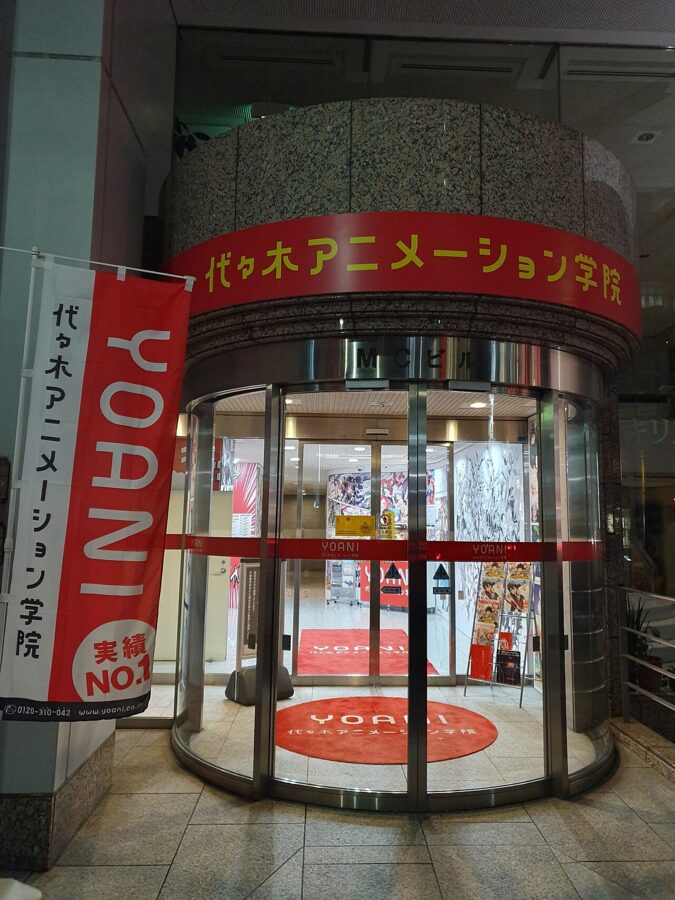
Yoyogi Animation Gakuin takes international students on its two-year Manga course at its Tokyo, Ikebukuro and Osaka schools, next intake April 2027. You need to be 18 by April with 12 years of schooling, and Japanese at JLPT N2, 200 on the EJU Japanese section, 400 on the BJT, or a year at a language school recognized by the Minister of Justice. You can apply and interview online from abroad. Support staff for visas and daily life speak English and Chinese.
Kyoto Seika University has a whole Faculty of Manga and co-runs the Kyoto International Manga Museum with the city. International applicants need JLPT N2 or a score of 220 on the EJU Japanese section at the time of application, and the admission guidelines are only published in Japanese. Tuition for 2026 entrants is ¥1,579,000 a year, paid in four installments. Students from Seika’s overseas partner universities can come on exchange instead and pay tuition at home.
Nihon Manga Juku in Akihabara is a manga-only school that has trained professionals for 25 years, with a twice-weekly course, a Saturday course and an online option. It runs free trial classes almost every week, in Japanese. In 2026 it hosted a group program for Rochester Institute of Technology students and a summer course for Taiwan, so ask it about group visits rather than walking in.
Visa basics: Temporary Visitor or Student
The Immigration Services Agency lists “attending lectures or meetings” among the activities allowed on Temporary Visitor status, alongside sightseeing and visiting relatives, for a stay of 90, 30 or 15 days. I read a run of lessons taken as a visitor as fitting that, as long as you do no paid work. Visitors from the United States and other visa-exempt countries get up to 90 days on arrival, and the landing forms go faster if you fill in Visit Japan Web before your flight.
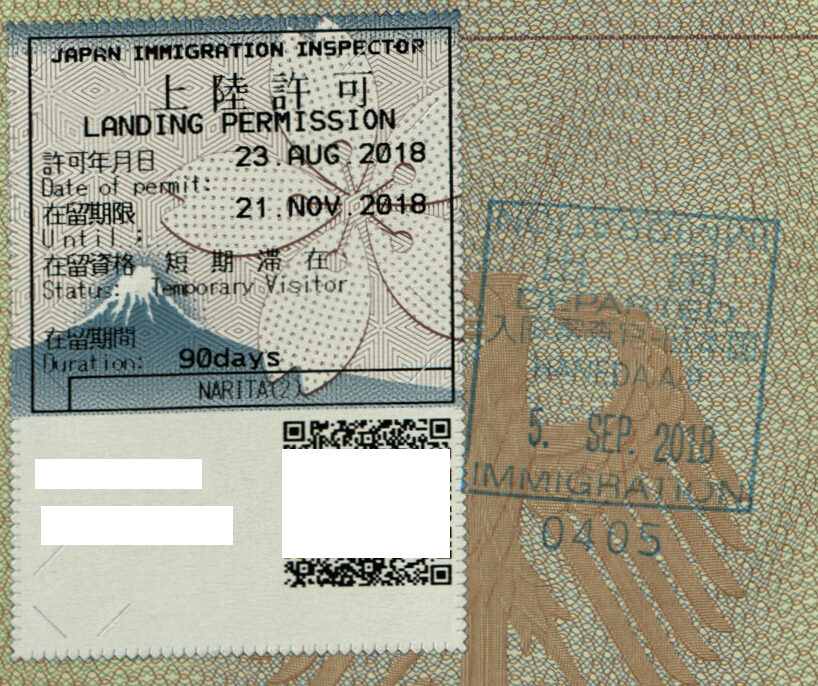
Student status covers education at universities, vocational schools (senshu gakko), miscellaneous schools and similar institutions such as language schools, for a period set case by case up to four years and three months. You get it before you travel: the school helps you apply for a Certificate of Eligibility, which you take to a Japanese embassy or consulate for the visa. Do not plan to arrive as a tourist and switch, because the Immigration Control Act only allows a change from Temporary Visitor for special, unavoidable circumstances.
In practice: a workshop week, or Nakano lessons spread over two months, needs nothing but your passport if your country is visa-exempt. Six months of weekly lessons, or any school with an April intake, needs Student status arranged from home.
What to bring
Less than you think. MANGA DOJO supplies G-pens, ink and manga manuscript paper, and Nakano lends everything from B4 manuscript paper and screentone to a light box. Nakano sells pen sets and screentone at ¥250 (about $1.70) a sheet if you want to keep practicing.

- Your own drawings, on paper or a phone. Kyoto’s Premium Workshop requires them, and every teacher pitches the lesson better after seeing them.
- Reference pictures of the character or style you want to draw, so the class works on your goal, not the default one.
- A flat folder or tube for B4 paper. Wet ink and a crowded train are a bad mix, so let pages dry before you pack them.
- Dark clothes or an apron for inking classes, and cash in yen for Kyoto’s workshops.
- Socks if Tokiwaso is on the same day: shoes come off at the door and bare feet are not allowed.
What a lesson day looks like
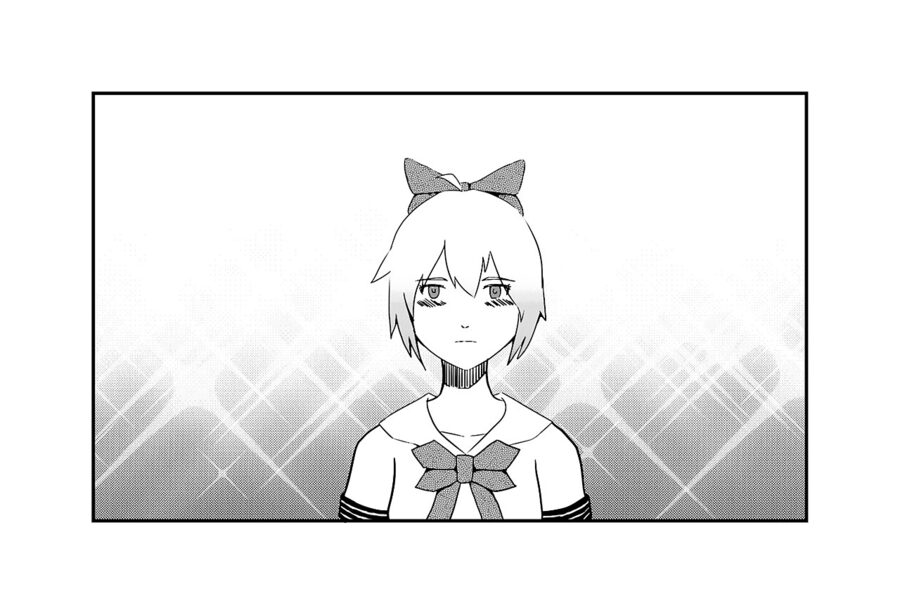
A 2-hour class has a set rhythm. Nakano’s lessons open with a short talk and questions, using original pages from published books, and then you draw: pencil first, then ink, then finishing with solid blacks, white and tone. The ink is where most beginners discover that a G-pen nib punishes hesitation.
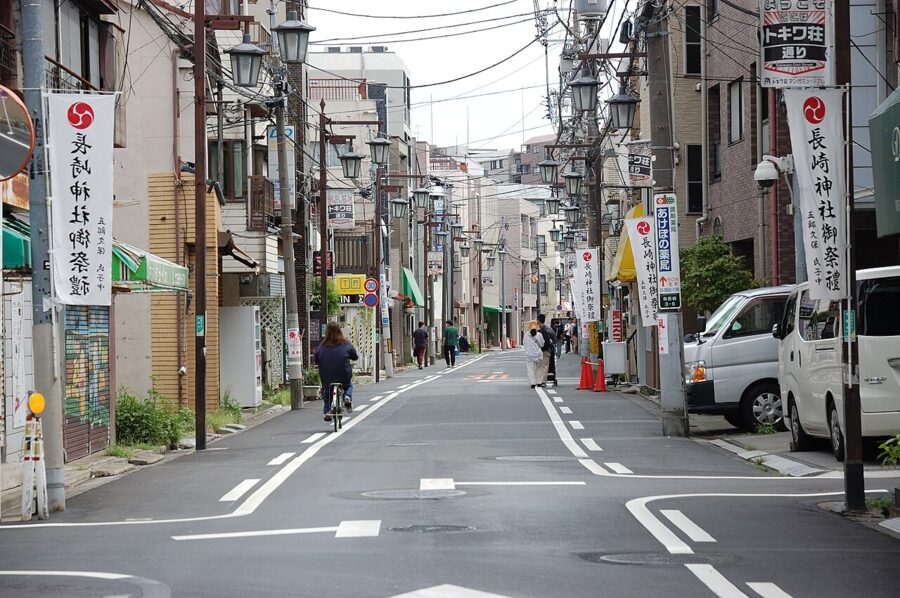
You leave with your original page. For a Tokyo day I would take MANGA DOJO’s 13:00 class in Ikebukuro, then ride the Ike 65 bus from stop 2 at the east exit to Minami-Nagasaki 2-chome. From there it is a 5-minute walk to the Tokiwaso Manga Museum, which admits until 17:30.

Nakano works the other way round. Take the 10:00 lesson on a weekday, eat near the station, and spend the afternoon in Nakano Broadway. Two lessons on one day is the most I would book; the second one is usually the weaker of the two.
The manga museums to add
Four museums tell the story of how manga is made: two in greater Tokyo, one in Kyoto and one a long day trip north of Tokyo. Check each calendar before you build a day around it, because the Ishinomori museum is closed until January 9, 2027.
| Museum | Hours | Closed | Adult ticket (as of November 2026) |
|---|---|---|---|
| Kyoto International Manga Museum | 10:00 to 17:00, last entry 16:30 | Wednesdays | ¥1,200 (about $8) |
| Tokiwaso Manga Museum, Tokyo | 10:00 to 18:00, last entry 17:30 | Mondays, December 28 to January 4, exhibition changes | ¥500 (about $3) during special exhibitions, otherwise free |
| Fujiko F. Fujio Museum, Kawasaki | 10:00 to 18:00, timed entry | Tuesdays, year-end holidays | ¥1,000 (about $7), advance only |
| Ishinomori Manga Museum, Ishinomaki | 9:00 to 17:00 | Tuesdays; fully closed to January 8, 2027 | ¥1,300 (about $9) |
Kyoto International Manga Museum
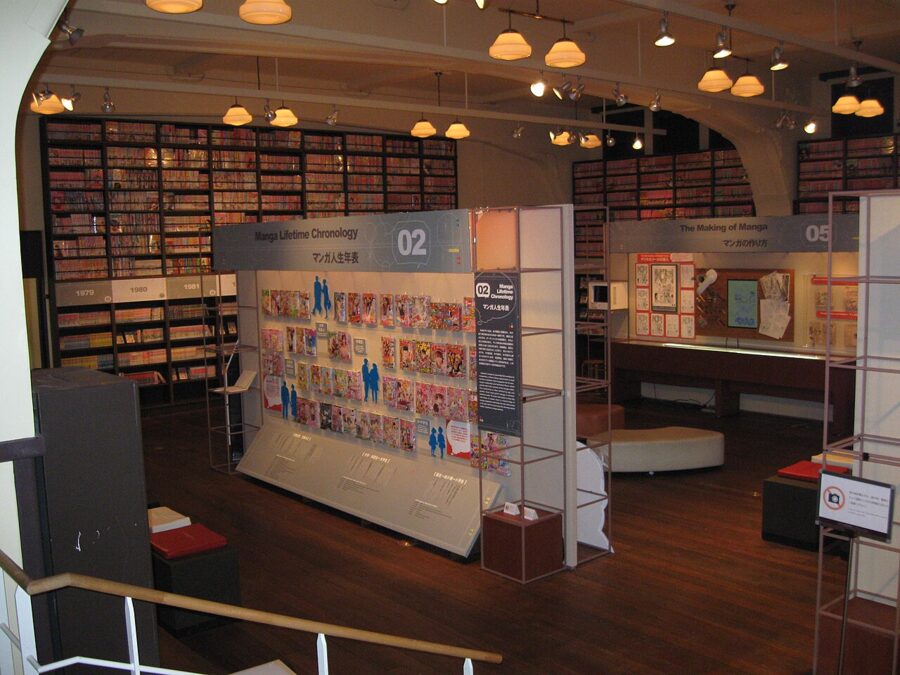
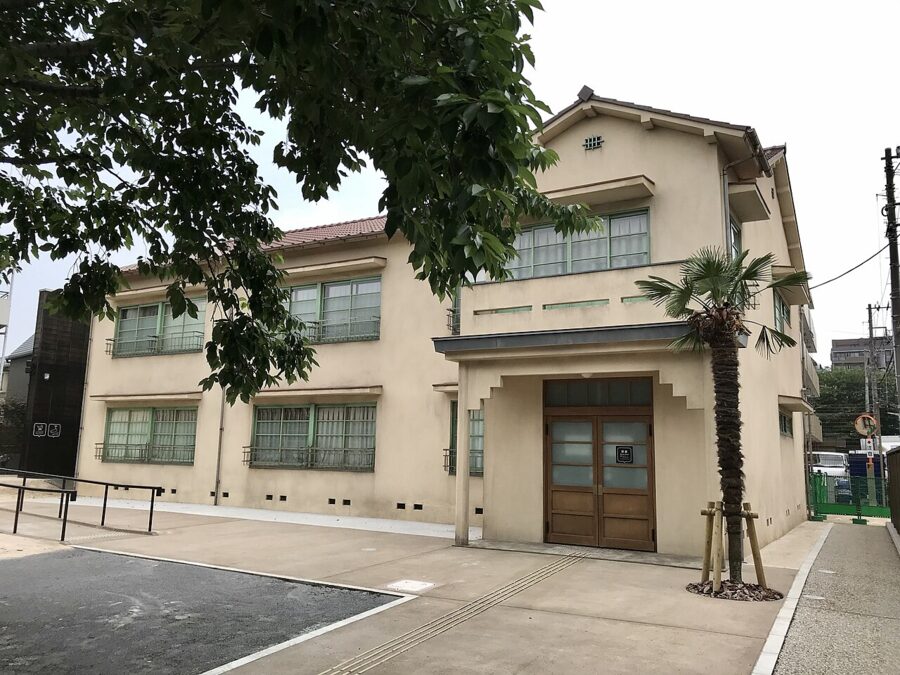
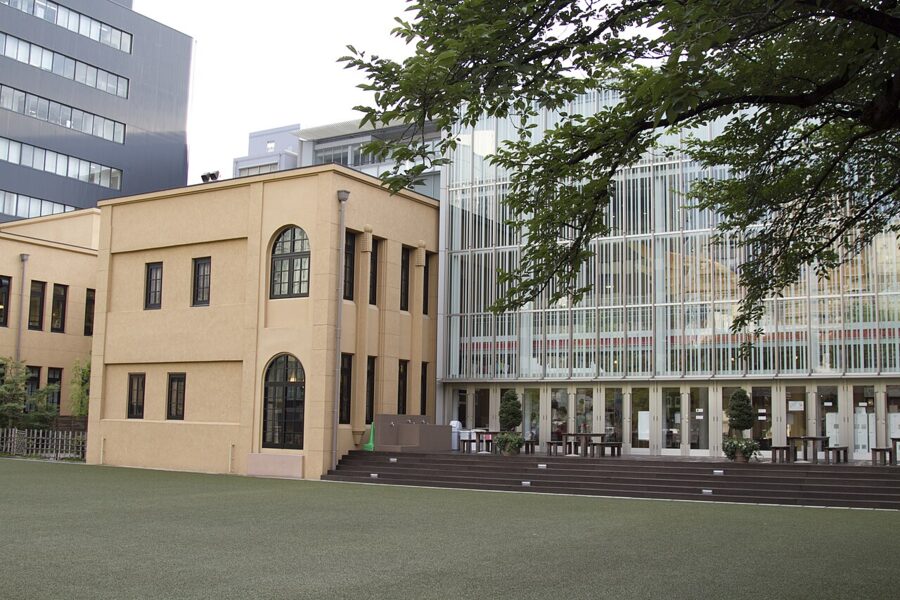
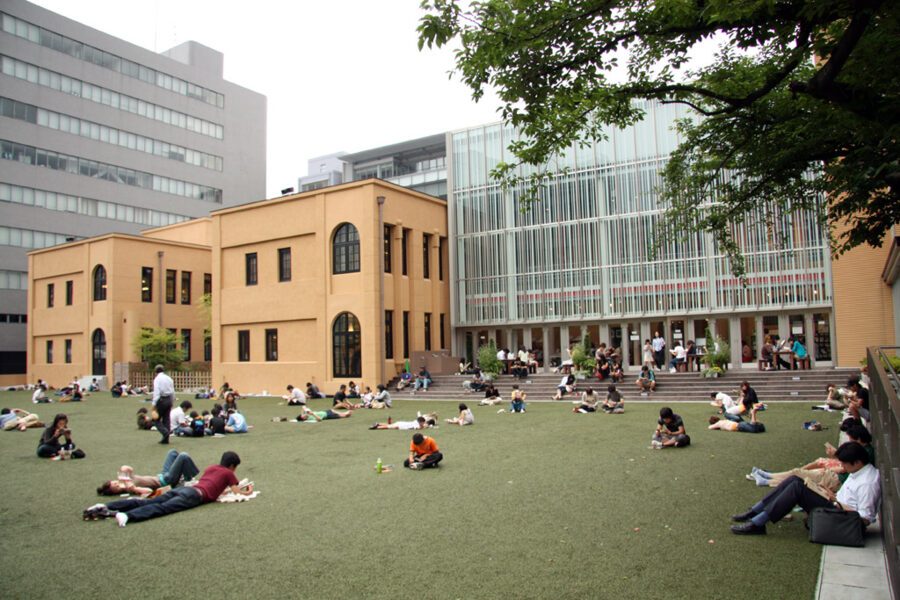
The museum fills the Showa-era building of the former Tatsuike Primary School and holds about 300,000 items, from Edo-period caricature prints to recent series. The Wall of Manga is the reason to go: shonen on the first floor, shojo on the second, seinen on the third, all free to read once you have a ticket. Tickets allow re-entry all day, so you can leave for lunch and come back.

Admission is ¥1,200 for adults over 19, ¥400 (about $3) for ages 13 to 18 and ¥200 (about $1.30) for ages 6 to 12, from the machine at the door or online. Some Kyoto subway tickets get 20% off at the counter. Visit on a Saturday, Sunday or holiday if you want to watch the Manga Studio artists at work, and get to the Portrait Corner early if you want a caricature: it is first come, first served from 10:00 at ¥3,000 (about $20) for one person.

Tokiwaso Manga Museum, Toshima
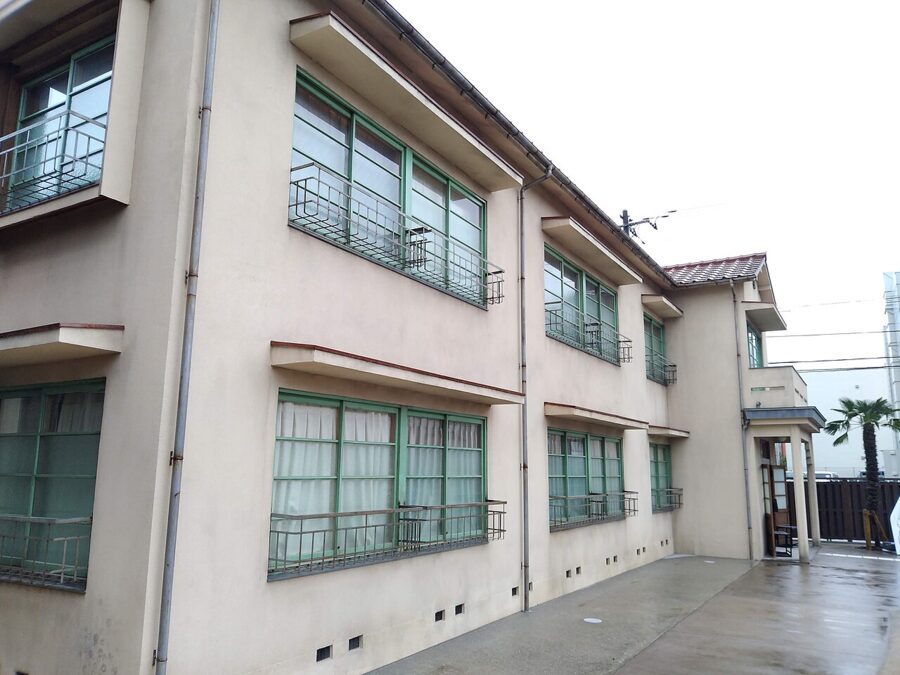
Tokiwa-so was a two-story wooden apartment house in Minami-Nagasaki where Osamu Tezuka and a group of young artists, Fujiko Fujio, Shotaro Ishinomori and Fujio Akatsuka among them, lived and drew in the 1950s. The museum rebuilds it, outside and in, in Minami-Nagasaki Hanasaki Park, with changing exhibitions and programs where you can try inking a page yourself. Reservations get priority, and you can book until 08:00 on the day; without one you get in if there is space.

The next special exhibition, on the shojo pioneer Hideko Mizuno, runs from December 5, 2026 to March 22, 2027, and the whole museum charges ¥500 for adults and ¥100 (under $1) for children while it is on. The nearest station is Ochiai-minami-nagasaki on the Toei Oedo Line, exit A2, a 5-minute walk.
Fujiko F. Fujio Museum, Kawasaki
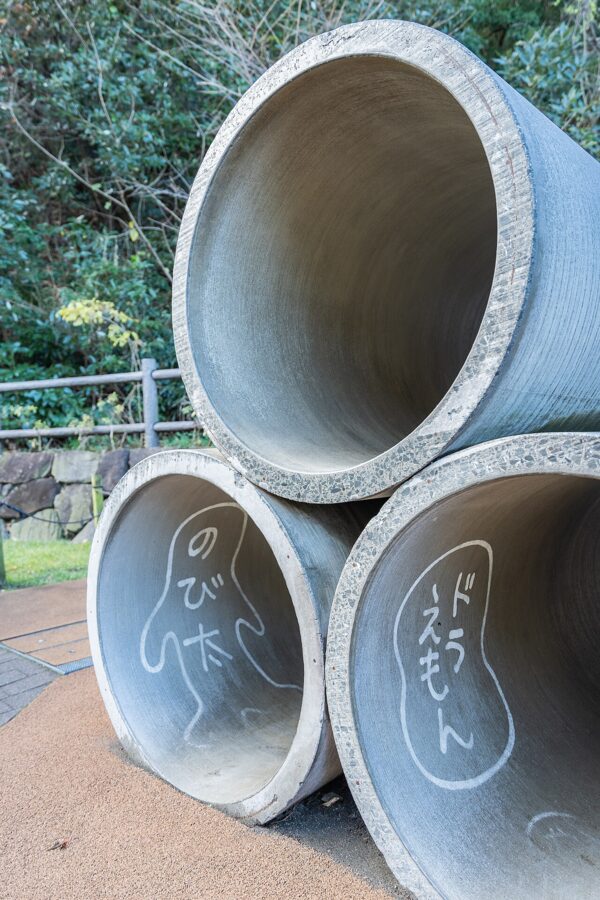
Fujiko F. Fujio, the creator of Doraemon, moved to Kawasaki in 1961 and drew his best-known series there. The city’s museum shows his original color artwork and his own desk and library. Tickets are sold only in advance, for one of seven entry times from 10:00 to 16:00, and you must enter within the hour; nothing is sold at the door.
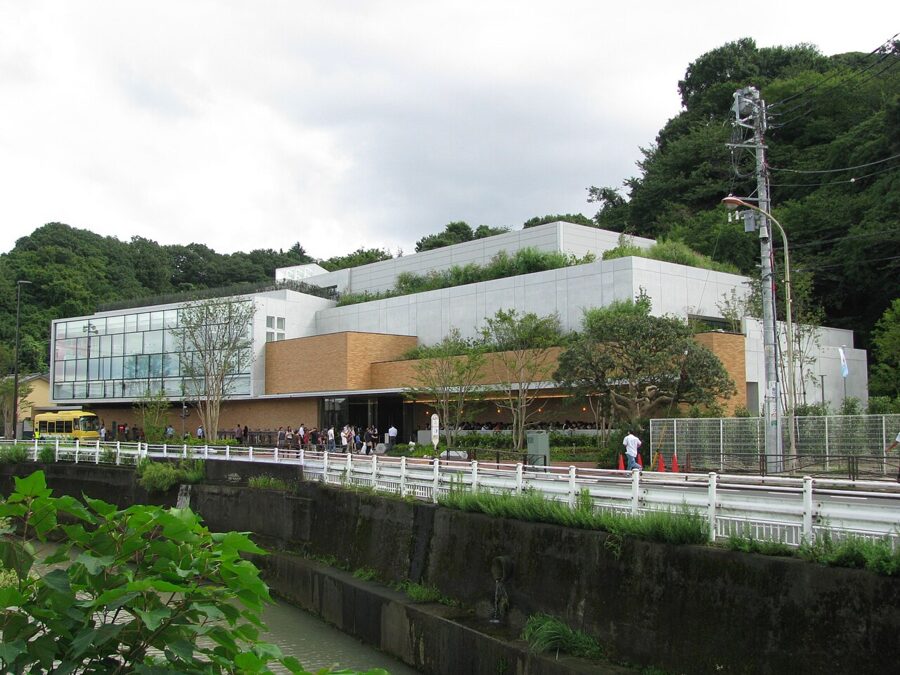

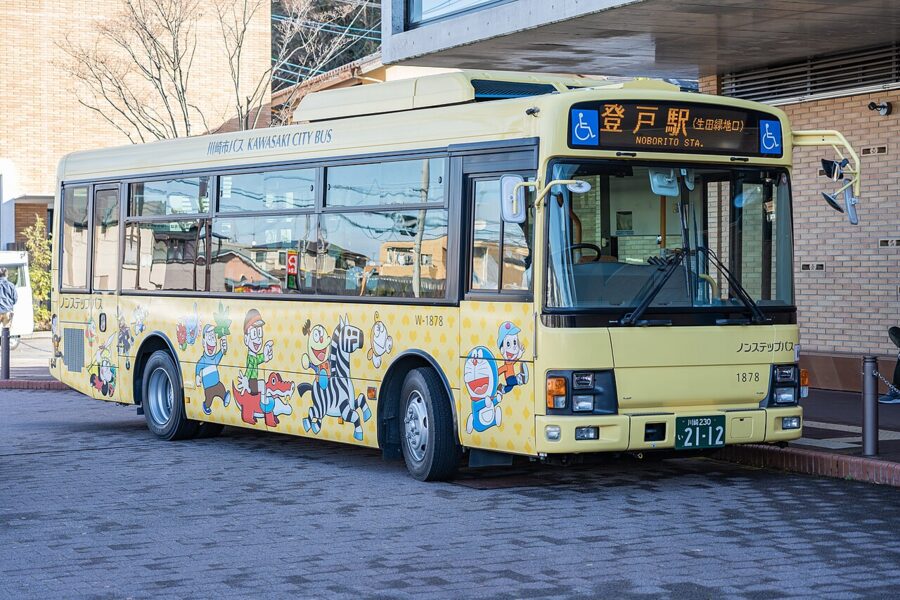
Adults pay ¥1,000, ages 13 to 17 pay ¥700 (about $5) and children from 4 pay ¥500. You can cancel up to three days before. From Shinjuku or Shibuya the fastest trains reach Noborito Station on the Odakyu Line or JR Nanbu Line in about 15 minutes, and the museum shuttle bus from there takes about 9 minutes for ¥220 (about $1.50).


Ishinomori Manga Museum, Ishinomaki
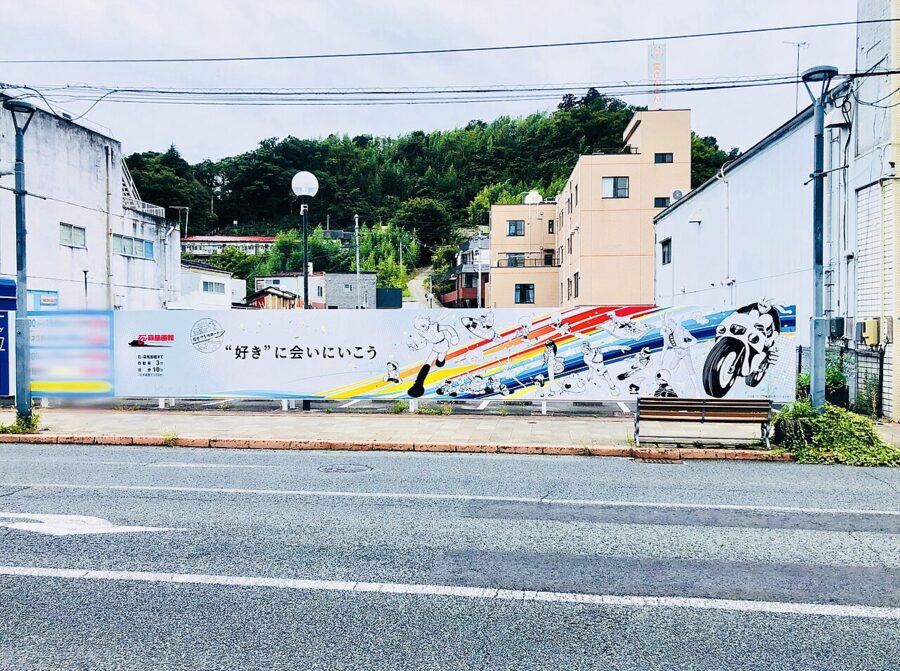
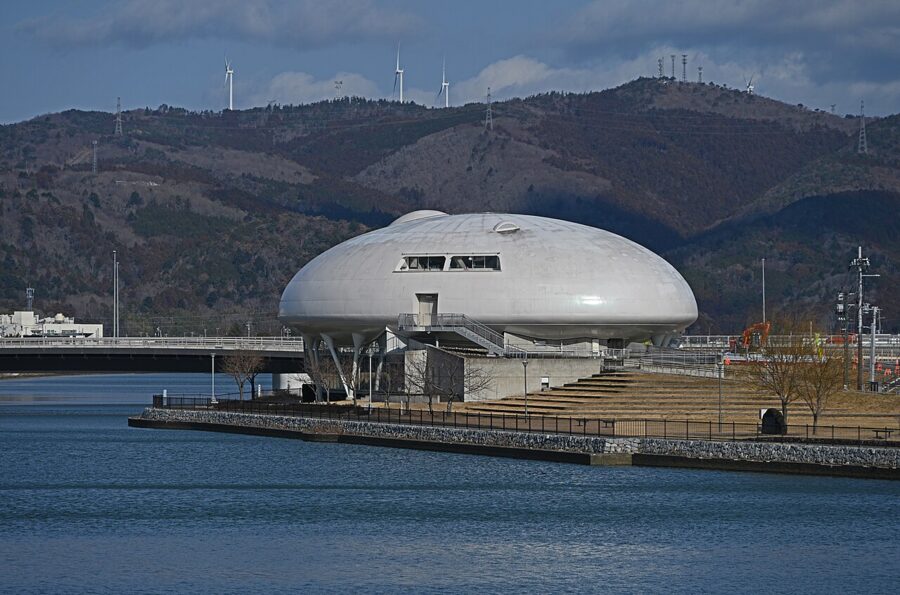
Shotaro Ishinomori, the creator of Cyborg 009 and Kamen Rider, was born in Miyagi Prefecture, and Ishinomaki’s museum sits on Nakaze, an island in the Kitakami River nicknamed Mangattan. It is closed for building work from October 19, 2026 to January 8, 2027. It reopens on January 9 with only the first and second floors, the third floor stays shut until early April, and it closes on extra Tuesdays and Wednesdays through March.
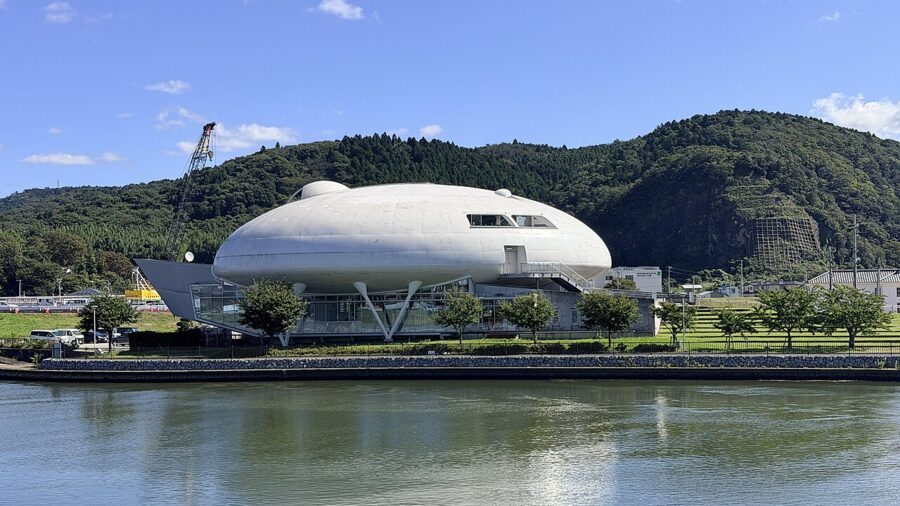

Adults pay ¥1,300, or ¥900 (about $6) between exhibitions. From Tokyo, take the Tohoku Shinkansen to Sendai, about 90 minutes on the fastest Hayabusa, then the Senseki-Tohoku Line rapid to Ishinomaki in as little as 54 minutes. The whole route is JR, so a Japan Rail Pass covers it, and it makes a long day trip.


Pairing a course with anime events and a homestay
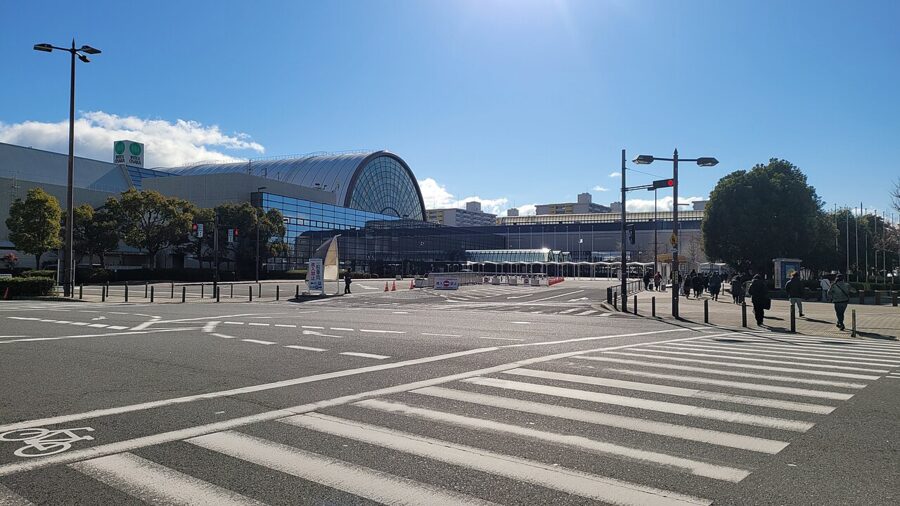
Two fan events are worth timing a manga trip around. AnimeJapan holds its 2027 public days on March 27 and 28 at INTEX Osaka, its first year away from Tokyo. Kyoto’s museum is an easy day trip from Osaka, and late March is also the start of cherry blossom season, so book hotels early; the season guide sets those crowds against the rest of the year.
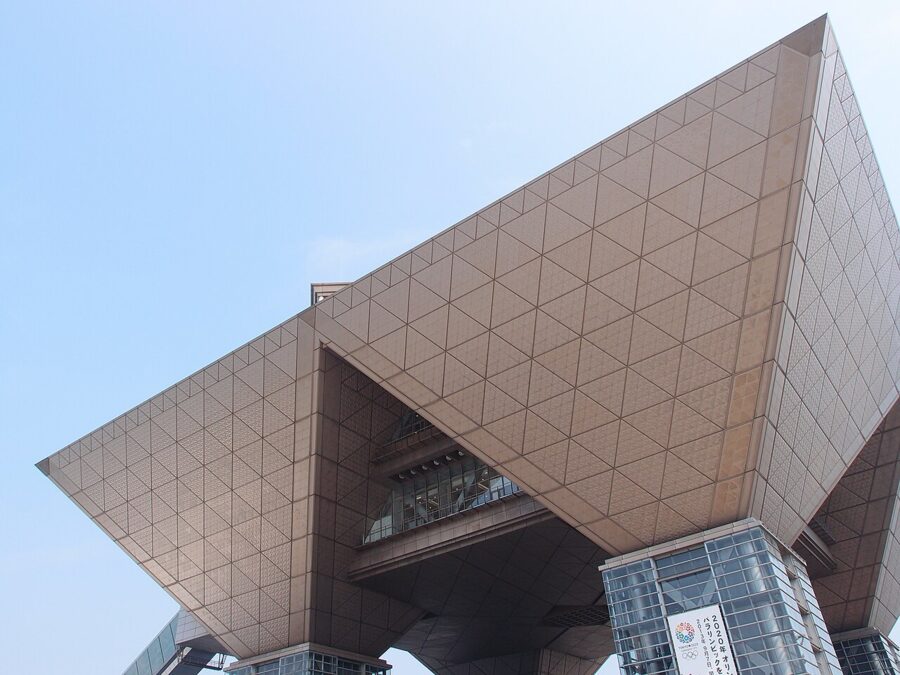
Comic Market, or Comiket, is the bigger draw for anyone who draws. Comic Market 109 runs at Tokyo Big Sight from December 29 to 31, 2026, and Comic Market 110 on August 14 and 15, 2027. Thousands of amateur circles sell their own books there, and it is the clearest look you will get at where many professional artists started. Nakano posts a year-end closure each winter, so check its dates before pairing lessons with the December edition.

For a longer stay, a family gives you a bed and daily Japanese practice. A homestay in Japan can run from one night to several months, and language schools place their students with families as part of enrollment. Tokyo host homes are mostly in the suburbs, which suits Nakano and Ikebukuro, both on major lines. If a family is more contact than you want, end the trip with a night at a ryokan instead.
Book the first two-hour class before anything else. It tells you whether you want ten more of them, and every other part of the trip can be built around that answer.